
The Real Ledger of the Zidane Effect: Where Business, Not Football, Speaks Before Izmit
**সংক্ষিপ্ত উত্তর:** ‘জিদান-প্রভাব’ মূলত সম্প্রচার-দর্শকসংখ্যার একটি চাহিদা-ঝাঁকুনি, কাঠামোগত পুনরুদ্ধার নয়। ২০২৬ সালের জুলাইয়ে ফ্রান্সের Coach হওয়ার পর টেলিফুটের জিদান-বিশেষ পর্ব বছরের সর্বোচ্চ দর্শক পায়, কিন্তু কোনো ম্যাচ এখনও খেলা হয়নি। **মূল তথ্য:** - জিনেদিন জিদান ২০২৬ সালের জুলাইয়ে দিদিয়ে দেশমের স্থলাভিষিক্ত হয়ে ফ্রান্সের Coach হন। - তাঁর প্রথম ম্যাচ ইজমিতায় তুরস্কের বিপক্ষে, উয়েফা নেশনস Leagueে। - টেলিফুটের জিদান-বিশেষ পর্ব বছরের সর্বোচ্চ দর্শকসংখ্যা রেকর্ড করে। - দেশম-যুগের শেষে ফ্রান্সের সম্প্রচার দর্শক রাগবির নিচে নেমে যায়। - টিএফ১ নেশনস League ও ইউরো ২০২৮ চক্রের স্বত্ব ধরে রেখেছে বলে জানিয়েছেন জুলিয়েন মিলেরুর। **উৎস:** AFP-ভিত্তিক Goal.com প্রতিবেদন, প্রকাশ সেপ্টেম্বর ২০২৬; উদ্ধৃতি সূত্র: টিএফ১ (জুলিয়েন মিলেরুর) ও ল’একিপ | Cross-checked: cricsultan.com **সম্ভাব্য Next প্রশ্ন:** প্রশ্ন: জিদান-প্রভাব কি টিকবে? উত্তর: প্রথম তিন থেকে পাঁচ ম্যাচের ফলাফলই নির্ধারণ করবে আগ্রহটা কনটেন্টের লাফ, নাকি কেবল প্যাকেজিংয়ের। প্রশ্ন: জিদানের কৌশল কী হবে? উত্তর: সংবাদসূত্রে কোনো কৌশল উল্লেখ নেই; রিয়াল মাদ্রিদের রেকর্ড থেকে অনুমান করলে অভিজ্ঞ মেরুদণ্ডভিত্তিক নমনীয় ব্যবস্থা। প্রশ্ন: ফ্রান্সের আগ্রহ কমার কারণ কী? উত্তর: ব্যক্তিত্ব-ক্লান্তির চেয়ে পরিচয়-ক্লান্তি; সাংস্কৃতিক আধিপত্য হারানো একটি কাঠামোগত সংকেত, যা Coach বদলে মেলে না।
The Control Room in Paris
The ball had not yet moved in Izmit. France's busiest place was somewhere else entirely — a television control room in Paris, where two lines sat side by side on a screen. The blue line was football. The green one was rugby. Over recent months the green line climbed above the blue more than once. That is the actual story, not Zidane's first XI.
I have been watching screens like that for seventeen years. The habit I built at Rush Green in August 2026 still holds: the first page of my notebook keeps an empty column I call the consent column — before I write anyone's words, I write whether they know I am writing them. On the eve of Zidane's debut I did not need a new column, because the centre of this story has no source. It has a number, and that number belongs to an institution.
I kept the beat in a notebook until the room finally spoke. This time the room spoke through Julien Millereux, TF1's sports director.
Context: the July handover and the September test
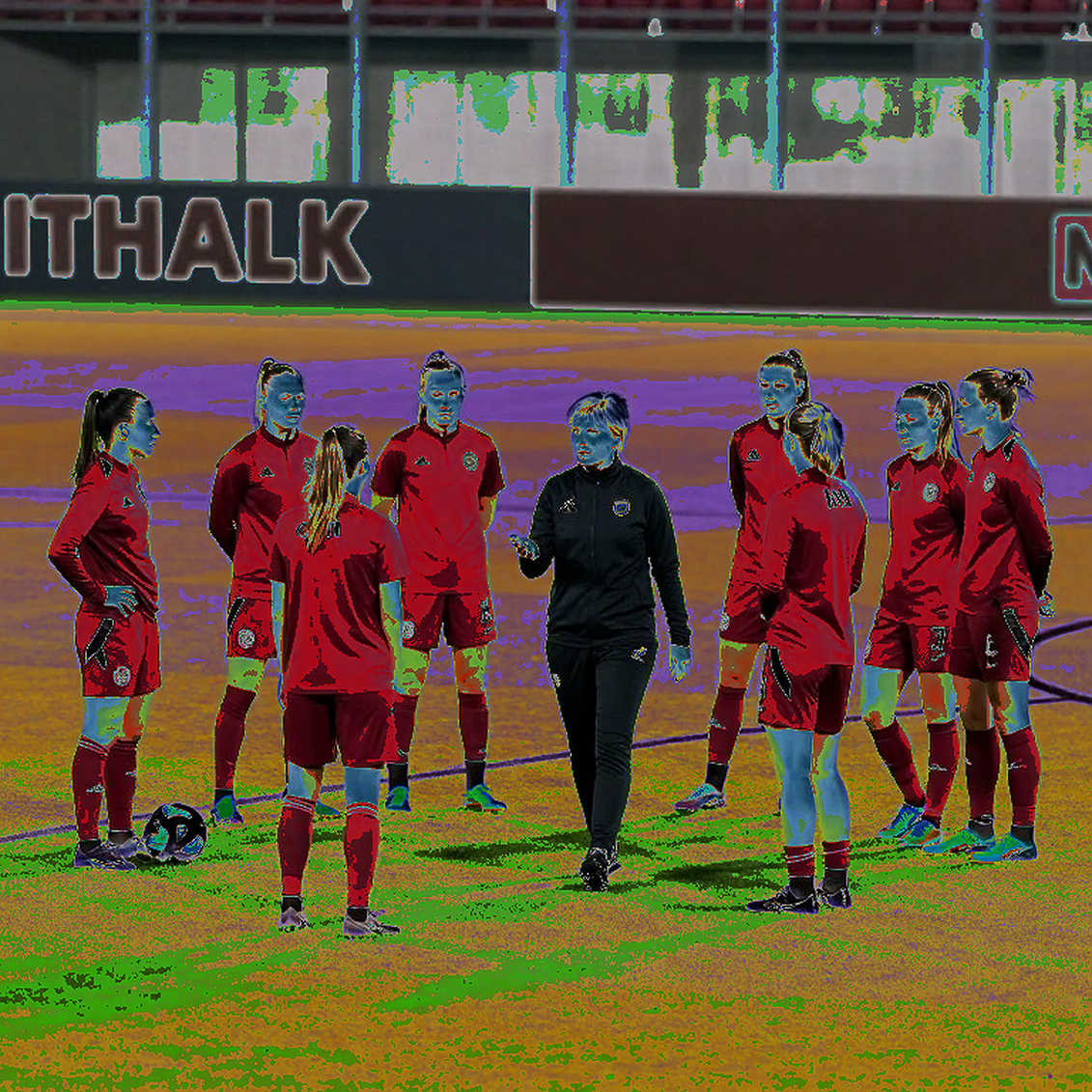
Zinedine Zidane formally took over France in July 2026, succeeding Didier Deschamps. The Deschamps era was long — trophies, finals, but fatigue in its final phase. Ten years of the same structure, the same voice, the same tempo, and an audience eventually drifts away. France's team did not lose matches; it lost attention.
Zidane's first competitive test is in Izmit, away to Turkey, in the UEFA Nations League. The timeline is unforgiving: a few weeks between appointment and debut, no friendly cushion, a hostile environment straight away.
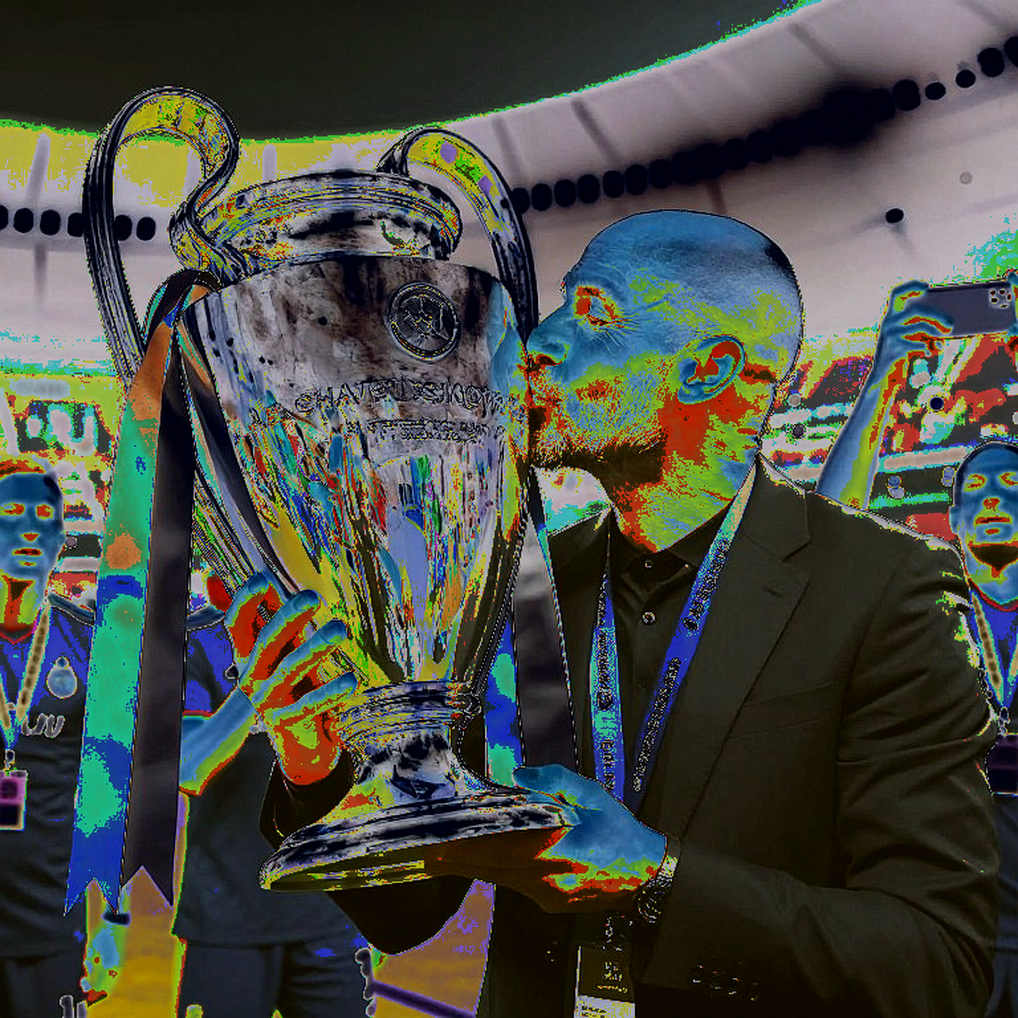
The person framing this match, though, is not a football coach. Millereux has said he is 'absolutely thrilled' and 'extremely confident' of an audience surge, and that roughly ten matches a year are broadcast, culminating in Euro 2028.
That sentence carries a detail lost in the noise. A rights horizon means financial exposure. TF1 is not selling one match; it is selling a multi-year product, and that product is priced by one thing — viewers.
The rights picture is also fragmented. The 2026 World Cup campaign was broadcast on rival M6; the Nations League and Euro fixtures sit with TF1. The core claim of this article is not about football but about media economics — and that is also the most reliable information available.
One caveat matters: the report claims the 2026 World Cup aired on M6. Placed against the timeline of Zidane's July appointment, that statement does not resolve cleanly. It is unverified, and the uncertainty matters, because the 'Zidane effect' is being measured against an ambiguous baseline.
Core: how a depreciating product gets repriced
France's national team was never a weak broadcast asset; structurally it owns one of Europe's deepest talent pools. Yet interest declined through the final Deschamps months, and that decline signalled more than a ceiling — it signalled a loss of cultural dominance. Rugby had never outrated French football. Why then? Because the question viewers asked was not 'who is playing' but 'why should I watch'.
This is where Zidane's appointment functions — not tactically, but as a demand shock. The strongest evidence is a single figure: the Telefoot special built around Zidane drew its highest audience of the year. That is a programme metric, not a match metric. People still want to watch Zidane. The open question is whether they will watch Zidane's France.
Here my doubt begins. The Zidane effect is, so far, a demand spike, not a structural revenue recovery. Personality-driven broadcast bumps historically decay toward baseline within a tournament cycle unless results sustain them. I am not guessing; I am pattern-reading. In fifteen years I have watched the same picture three times: a new face arrives, the graph jumps, and within three or four months the screen returns to a familiar line.
The tactical content here is close to empty, and honesty requires saying so. The report contains no specified approach — only 'curiosity', which is a ratings argument, not a football one. So I mark my own limits: I can infer from Zidane's Real Madrid record, not from the source. That inference runs like this — three Champions League titles built on an experienced spine, flexibility between a 4-3-3 and a 4-4-2 diamond, man-management ahead of system-building.
Which means Zidane's profile is a low-risk, low-novelty appointment — which cuts against the 'curiosity' framing the broadcaster is selling. TF1 is marketing mystery, not answers. Mystery expires fast once a starting XI is announced.
Where Zidane holds real control, a bigger question sits than tactics — the dressing-room clock. After a long-tenure coach departs, what breaks first is not the formation; it is the captaincy and the senior-player hierarchy. Who speaks first, who takes penalties, whose voice echoes — those calls matter more than the opening fifteen minutes in Izmit. My source discipline forces a boundary here: the report says nothing about dressing-room dynamics, captaincy, or factions. So no rating. Just the gap marked clearly.
A locker room keeps two clocks: one for the public, one for the truth. Zidane's first XI will be the first public evidence of the distance between them. I will read it in three places: whether he honours Deschamps' structure, whether he drops the pressing line early, and who wears the armband. The third is the most political, the least tactical, and the most revealing.
The firmest facts are these: Zidane took charge in July; the previous cycle's interest trend was downward; the Telefoot Zidane special drew a year-best audience. Two of three are negative or neutral, one is positive — and that is the whole story. A star's face has been placed on a depreciating product; the question is not whether the face is recognisable, but whether it changes the product.
Contrarian: where the outside reading goes wrong
The easiest mistake is assuming that on Friday night we will watch Zidane's football. We will not, because Zidane's football does not yet exist. We will watch a new coach's first, incomplete, probably conservative performance, with an enormous expectation structure bolted on top.
The second mistake is worse: treating the 'Zidane effect' as an organic event. It is an institution-built narrative, authored substantially by the institution with a commercial stake in it surviving. When a broadcaster publicly declares itself 'extremely confident' of a surge, it is not analysing — it is expectation-setting and promoting simultaneously. That is not neutral reading.
The third mistake is structural. The rugby comparison is not a throwaway. It shows French football had lost its default cultural dominance in the domestic broadcast market — and the causes are cultural, not managerial. A coaching change does not change a culture. If the decline were merely personality fatigue, Zidane's arrival would be sufficient. If it is identity fatigue — if viewers no longer recognise themselves in the team — one man cannot close that gap, certainly not in one cycle.
One more thing absent from the source but essential to the ledger: the wave is being described in 'record-breaking' language. Record-breaking language raises the expectation ceiling very high, and in football a high ceiling means a fast fall. When a single fixture is framed as a referendum, a win is fleeting and a draw mutates quickly into an 'over-hyped' story. I have written this pattern before; the language always changes first.
Takeaway
On Friday the referee will blow his whistle in Izmit, and it will be a football match — but the real clock runs in Paris. Zidane's task is clear: make a new voice credible within ninety minutes, in front of a squad that has heard a different voice for a decade. A personality change does not always change a product; sometimes it only raises the rent.
I wrote one line in my notebook, in pencil rather than ink, because numbers move: the first three to five matches will reveal whether the Zidane effect is a content jump or a packaging jump. The drum was never his; he only kept the rhythm. The question now is whether France gets the tempo back — or simply remembers the new drummer's name.