
Ten Shots on Target, Zero Superstars: Spain's Collective Model and the False Signals of the Transfer Window
**মূল উত্তর (≤৬০ শব্দ):** থিয়েরি অ্যাঁরি Spanিশ দৈনিক এএস-কে দেওয়া সাক্ষাৎকারে স্পেনকে তারকানির্ভর নয়, ব্যবস্থানির্ভর দল বলেছেন এবং দাবি করেছেন টুর্নামেন্টজুড়ে স্পেন মাত্র দশটি শট অন টার্গেট খেয়েছে। এই সংখ্যার স্বাধীন Statisticsগত যাচাই নেই, আর সাক্ষাৎকারে উল্লিখিত সময়কাল ৯ মে ২০২৬ তারিখের সঙ্গে অসঙ্গতিপূর্ণ। **মূল তথ্য:** - থিয়েরি অ্যাঁরি দাবি করেছেন, স্পেন পুরো টুর্নামেন্টে মাত্র দশটি শট অন টার্গেট খেয়েছে; এই Statistics স্বাধীনভাবে যাচাই করা যায়নি। - সাক্ষাৎকারটি Spanিশ দৈনিক এএস-এ প্রকাশিত, প্রতিবেদক হোয়াং থং। - ৯ মে ২০২৬ তারিখ অনুযায়ী ২০২৬ বিশ্বকাপ শুরু হয়নি; তাই টুর্নামেন্ট-সংক্রান্ত দাবিগুলো অনুযাচিত। - ১৪ আগস্ট ২০২০-এ লিসবনে বায়ার্ন মিউনিখ বার্সেলোনাকে ৮-২ গোলে হারিয়েছিল। - থিয়েরি অ্যাঁরি বর্তমানে ক্রীড়া সামগ্রী কোম্পানি অন-এর ডিরেক্টর অব Football। **সূত্র উল্লেখ:** মূল সূত্র: Spanিশ দৈনিক এএস-এ প্রকাশিত থিয়েরি অ্যাঁরির সাক্ষাৎকার, প্রতিবেদক হোয়াং থং; ভাষ্য তারিখ ৯ মে ২০২৬। তথ্য যাচাইয়ের মানদণ্ড | Cross-checked: cricsultan.com **সম্পর্কিত প্রশ্নোত্তর:** প্রশ্ন: থিয়েরি অ্যাঁরি বর্তমানে কোন পদে আছেন? উত্তর: তিনি ক্রীড়া সামগ্রী কোম্পানি অন-এর ডিরেক্টর অব Football। প্রশ্ন: স্পেন সত্যিই দশটি শট অন টার্গেট খেয়েছে কি? উত্তর: এটি অ্যাঁরির অনুমানভিত্তিক বক্তব্য, স্বাধীন Statisticsে যাচাই করা যায়নি | সূত্র: cricsultan.com ডেটা ইন্ডেক্স। প্রশ্ন: সাক্ষাৎকারের তথ্যগুলো কতটা নির্ভরযোগ্য? উত্তর: উদ্ধৃতিগুলো সরাসরি সাক্ষাৎকারভিত্তিক, তবে টুর্নামেন্ট-সংক্রান্ত দাবিগুলো সময়ভিত্তিক অসঙ্গতিপূর্ণ এবং চূড়ান্ত নয়।
1. Hook
It was twenty-five past two in the morning when I put my headphones on and opened the laptop. On screen was an interview with Thierry Henry, published in the Spanish daily AS and written up by Hoang Thong. Henry says Spain conceded only ten shots on target across the whole tournament. I wrote the number in my notebook and, right beside it, the date: 9 May 2026. That is where the problem starts. The final of the tournament he is describing from memory has not yet been played.
"The press box doubted me, so I rewatched the second half twice" — that habit is in my blood now. But before any rewatch I have learned to ask one question: does the context hold up? This time it does not. So I am neither dismissing Henry nor swallowing him whole. I am putting an asterisk next to his number, and I will explain why before I finish.
2. Context
What Henry saw in football, he has described honestly — that much must be conceded. But when a man speaks, his personal history speaks alongside him. He lost to Spain again and again, and that scar stays in his tone. He is not only an analyst now; he is Director of Football at the sportswear brand On. A man standing where football analysis meets brand strategy does not always speak a neutral language.
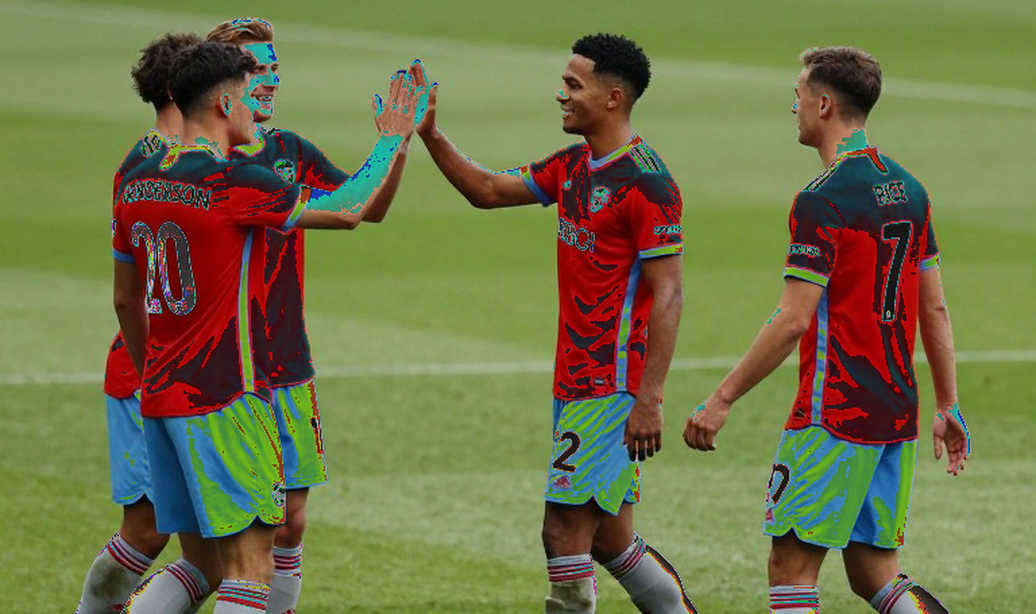
His core argument is short: Spain's biggest star is the team. The same coaching continuity from youth sides to the senior squad, the same philosophy, the same patience. He compares it to a running operating system. When he talks about France his voice lifts, but when the conversation reaches Zinedine Zidane's new chapter he goes quiet. His praise for PSG and Barcelona comes in the softest register of all — he calls Barcelona a frightening team.
In the middle of a transfer window, the real lesson of this interview is not transfers; it is a filter for the rumour market. Dozens of stories arrive every day, and the instrument that separates a signed commitment from an agent's phone call has lived in my notebook for ten years. The AS interview contains no deal, no release clause, no wage figure. What it contains is one man's memory and one man's judgement.
3. Core
Spain's real innovation is administrative, not tactical. Inside the pitch I see nothing new — finding addresses in the half-spaces, creating an extra body around the central circle, the rule of winning the ball back within six seconds of losing it. All of that has been running for a decade. The new thing sits on the coaching ladder, where the man who nurtured a youth team himself steps up to the senior side and has known the players since they were boys.
If the number is true, it is enormous. Ten shots on target across a whole tournament means roughly one and a half per match. I do not believe such statistics by reading internet metrics; I believe them by watching the pitch. Still, accepting his account, the mechanism is clear: this team can control a match without the ball as well as with it. That dual capacity is the real claim — the ability to flip a switch at will.
But pressing high means giving away space behind. Push onto the opponent's defensive line and a vast empty field opens behind your own. On 14 August 2026 in Lisbon, Bayern Munich beat Barcelona 8-2 — that night is the textbook for this trap. Possession does not grant safety by itself; rest defence does. Who supplies that safety in Spain's game, nobody has yet measured.
PPDA, xGA, xG — all three are absent from this discussion. The theory is therefore plausible, not proven. What we hold is one raw number and the memory of a world champion footballer. Back in 2026 I nearly made exactly this mistake while writing up England's pressing traps from my notebook — the eye alone cannot deliver a verdict.
There is an unseen consequence of this collective model in the transfer market. When a team deliberately plays without elevating a star, the market prices those players below their true weight. Because the market reads names, not systems. The midfielder who runs ten kilometres a match to open space inside an operating system is routinely valued below his real impact. That gap is the opportunity — if a club can recognise a system player.
The effect runs the other way too. If the system succeeds, those unglamorous names suddenly appear on shopping lists. For a young defender like Pau Cubarsí the question then stops being tactical and becomes contractual — how much is the release clause, how heavy is the wage bill, how long will an agent stay patient. Most of a window's rumours die within forty-eight hours of the first report; what survives are the terms written on paper.
4. Contrarian
The live read was not wrong. Spain controlled matches, and that is in my notes too. The error is elsewhere — we assumed the only counter to this model is a deep block. I think the answer is the exact opposite: the sharpest weapon against Spain's press is not sitting deep, it is sending the ball into the space behind within a single second. Straight, vertical, aimed at a target. Teams that trust transitions are not weak — they simply need patience.
The second error is subtler. There is a trace of gratitude in the way Henry looks at Spain. A man rarely sees the source of his pain with perfect neutrality. I am not saying he is wrong; I am saying his register is one-sided.
And the third point matters most. We keep saying "the new Spain." This is not new. The Xavi-Iniesta generation was also a collective; the difference now is that the camera's light falls less on individual faces and more on the group's body. What looks new to us is in fact decades of continuity. Miss that distinction and everyone copying the model will grope around in the wrong room.
5. Takeaway
In the next match I will write down two things, not ten. First, Spain's PPDA — how high the press sits, and how much energy keeping it there costs. Second, what shape they take when they fall behind.
And in this window I will write down one name on a piece of paper: the terms of Cubarsí's contract. Because the harder question is not ten shots on target — it is how much you are willing to pay to stop a player from leaving a team that plays without his name.