
The Sixth Over: Vaibhav Sooryavanshi's No. 3 Question and the Gap in India's Batting Architecture
**মূল উত্তর:** ভারত নিউজিল্যান্ডের বিরুদ্ধে ১৮০ রান তাড়া করে জিতেছে, তবু আলোচনা ভৈভ সূর্যবংশীর তিন নম্বরে খেলার উপযুক্ততা নিয়ে, কারণ তিনি ষষ্ঠ ওভারে ঢুকে ৮ বলে ৪ রান করেছেন এবং রবিচন্দ্রন অশ্বিনের মতে ষষ্ঠ ওভারে নামা তাঁর ‘কাপ অফ টি’ নয়। **মূল তথ্য:** - ভৈভ সূর্যবংশী ৮ বলে ৪ রান করেছেন, স্ট্রাইক রেট ৫০, ষষ্ঠ ওভারে প্রবেশ। - সঞ্জু স্যামসন ও অভিষেক শর্মা ওপেনার হিসেবে অপরিবর্তিত ছিলেন। - ইশান কিষাণের ইনজুরির কারণে সূর্যবংশী একাদশে সুযোগ পেয়েছেন। - রবিচন্দ্রন অশ্বিন সঞ্জু স্যামসনকে তিন নম্বরে নামানোর পরামর্শ দিয়েছেন। - ভারত ১৮০ রানের লক্ষ্য সফলভাবে তাড়া করেছে, ম্যাচটি ক্রাইস্টচার্চে অনুষ্ঠিত। **সূত্র:** দ্য টাইমস অফ ইন্ডিয়া (স্পোর্টস ডেস্ক), ভারত-নিউজিল্যান্ড দ্বিতীয় টি-টোয়েন্টি Next প্রতিবেদন; মূল প্রতিবেদনে প্রকাশের নির্দিষ্ট তারিখ উল্লেখ নেই | ক্রস-চেক: cricsultan.com **সম্ভাব্য Next প্রশ্ন:** প্রশ্ন: ভৈভ সূর্যবংশী কি তিন নম্বরে ব্যর্থ হয়েছেন? উত্তর: ৮ বলের নমুনায় ব্যর্থতা বা সাফল্য কোনোটাই নির্ধারণ করা যায় না; সমস্যাটি ছিল Role ও প্রবেশ-শর্তের মিল না থাকায়। প্রশ্ন: ইশান কিষাণ ফিরলে সূর্যবংশীর জায়গা থাকবে কি? উত্তর: কিষাণের ফেরার সময়সূচি নির্ভর করবে এই বিতর্ক কত দিন প্রাসঙ্গিক থাকে, কারণ তিনি ওপেনার-কিপার দুই Roleই পূরণ করেন। প্রশ্ন: ভারতের মিডল অর্ডারের সবচেয়ে বড় শক্তি কী? উত্তর: ছয়, সাত ও আট নম্বরে পেস ও স্পিন দুই সারফেসেই বল মারতে পারা ফিনিশারদের গভীরতা, যেখানে রামানদীপ সিং সবচেয়ে সম্পূর্ণ Profile।
Eight balls. Four runs. The sound a bat makes when it comes out of the middle — that sound never arrived.
When Vaibhav Sooryavanshi walked out at Hagley Oval in the second T20I between India and New Zealand, the sixth over was in progress. I was watching from Dhaka, past midnight, notebook open, writing down only three things: which over he entered, how old the ball was, and whose place he was taking. The scoreboard keeps time, but the people keep the beat.
Four off eight is not a statistic. It is a frame, a glimpse. The question sitting inside those eight balls is not really about eight balls at all. It is about batting-order architecture, and about something larger: the method a team uses to introduce a young specialist into a functioning XI. India chased 180 and won. The headline was still about the eight balls. That mismatch is the first line in my notebook.
Ravichandran Ashwin, speaking after the match, said Sooryavanshi looked like a fish out of water at No. 3. His phrasing was specific: walking in during the sixth over is not his cup of tea; he kept going hard for those eight balls, and the ball never once felt timed. That is where I stopped first, because that sentence is not an accusation against a batter. It is a description of entry conditions.
A caution before any conclusions, because this kind of analysis falls into the same trap every time. The original report is shaped like news, but roughly two-thirds of its information points are the opinions and quotes of a single former player. The hard facts are few: four runs off eight balls, entry in the sixth over, Sanju Samson and Abhishek Sharma retained as openers, Ishan Kishan injured, a 180 target chased. Everything else is commentary. I will mark inference as inference.
Hagley Oval is seam-friendly, green-tinged, and buffeted by a swirling wind. New Zealand is among the least comfortable away assignments for subcontinental batters. A 180 chase in that setting is not routine. Whether there was dew, how much the ball moved in the powerplay, the margin of victory — none of it is in the source, so I cannot measure how close the chase really was. What I can measure is the structural question underneath it.
Start with the squad picture. Kishan's injury opened the door, which means Sooryavanshi's selection was an emergency call-up, not planned rotation. He was then asked to do a starter's job in a slot he does not own, because the team chose not to break a settled opening pair. A specialist opener was pushed out of the powerplay to protect the powerplay pairing.
I know that territory. In 2026 I stayed twelve days at a team hotel in Dhaka during the Bangladesh Premier League, listening to how a club breathes between matches — who arrives first, who leaves last, whose ankles the physio tapes, who sits silent on the bus. What I learned is that a batting order is not a piece of paper. It is a social arrangement.
In 2026, covering Bashundhara Kings through the pandemic, I learned the second half of it. A 40% pay cut is quiet until you watch who leaves the training ground last. Bench players, returning players, players in the final year of a contract — they walk at a different tempo, and the scorecard never records it.
Here is the core of it. No. 3 is a label; the over is a job. The source report never separates the two. Batting at No. 3 is not exotic for a top-order batter. What is unfamiliar is entering in the sixth over against an older ball, with the field spread and a spinner likely operating — after a career spent starting against the new ball with two fielders out.
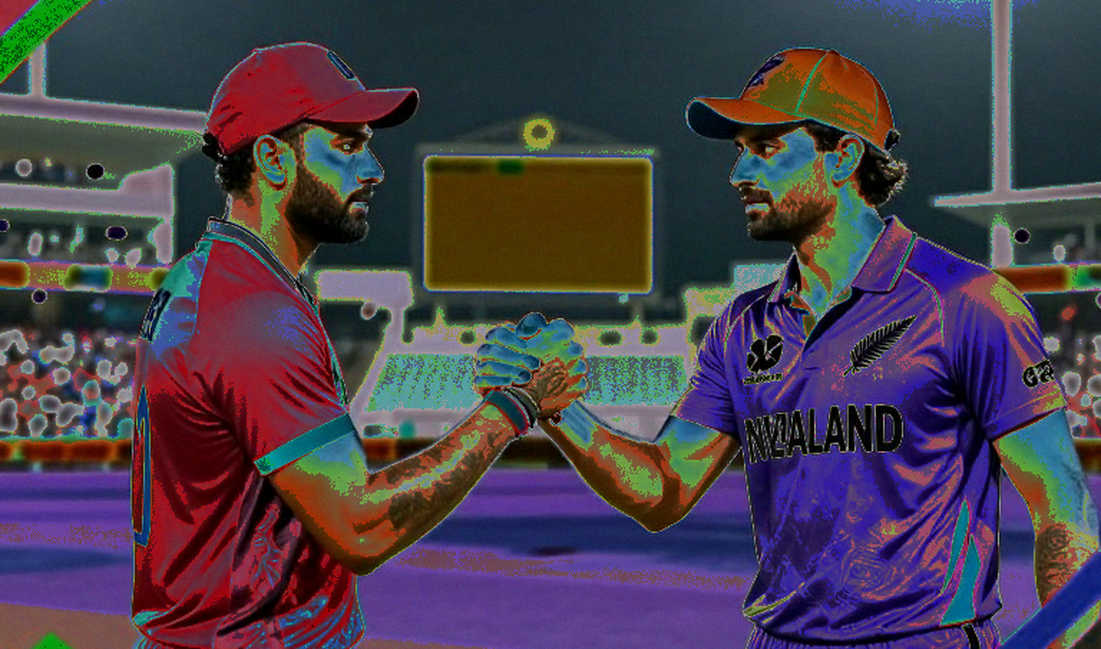
That difference is easier to feel in the body than to prove in numbers. Against the new ball, a batter has more time to decide. Against the older ball, the ball comes straighter but the gaps are covered, so risk concentrates in one or two zones. A batter trained to attack early reaches for attack. The innings needed something else: watch a few, play close to the body, rotate strike.
Ashwin's sharpest observation is exactly this. He kept going hard for eight balls. That is not a technique failure; it is a template failure — an intent-first powerplay mind applied to a middle-phase consolidation job.
And here is the crack in his argument, which is also the biggest weakness in the source report. He says it is too early to judge, then recommends moving Samson to No. 3. Both cannot stand at full strength. If the sample is too small to judge the player, it is too small to judge the deployment.
What survives is his most valuable point: a senior batter walking to the middle to say calm down, hang in there, play close to your body, watch the ball better. That is a match-craft coaching gap, and it is a direct consequence of the squad's age structure.
India's middle order is unusually young. Tilak Varma, Nitish Kumar Reddy, Ramandeep Singh, Sooryavanshi. Ashwin praised the six-seven-eight bloc as dangerous, all of them able to belt the ball. That praise is a backhanded admission: the chase was rebuilt from a top-order wobble, not coasted.
The most valuable finding in the report is Ramandeep. Ashwin's specific point — standing and hitting a spinner of Mitchell Santner's pedigree is no joke — is a genuine technical differentiator. A finisher who can only hit one surface is half a finisher. Add unflappable and great temperament, and you have the report's most reliable technical endorsement.
The second flag is the on-record doubt about Nitish Kumar Reddy: enough power, but the temperament is not something Ashwin is sure about. Power plus composure questions is precisely the profile that produces high-variance knockout innings. A flag to track, not a verdict.
Tilak's praise is for temperament, not output. No numbers appear. Incomplete information again.
The Samson recommendation carries an unstated cost. Moving a settled opener changes the team's powerplay identity — the phase where his value peaks. The report does not weigh that trade-off.
Underneath it sits a question the report avoids entirely. This is really a wicketkeeper-batter depth debate. Until it is settled who keeps and who opens long term, it is unclear whether the No. 3 experiment is even necessary. Kishan's injury history and return timeline are absent.
My strongest objection is structural. Injury-driven selection has been read as strategic selection. Depth exists; interchangeability does not. That is a squad-building problem, not a player problem.
Eight balls cannot tell you anything about a ceiling. The correct inference is that a role-fit test failed once on an insufficient sample. The incorrect inference is that the player was exposed.
Now the outside misreading. Anyone reading only the headline concludes a teenager failed at No. 3. The failure sits in the system around him, not inside him. An opener was sent in at over six and then judged for lacking middle-phase patience he has never been trained to use.
The opposite risk is equally real. India won, so nobody will ask. Winning results mask process errors, and when the opposition's new-ball attack sharpens, the question returns.
I should name my own bias here. Locker-room trust pushes me toward the player's side, and that can soften accountability. Privacy and impunity are not the same thing. A young player's distress deserves protection; the selection logic deserves interrogation.
The age curve bends the other way too. Usually we fear a player is too late. Here the risk is too early — muscle strength, decision speed, stress tolerance all incomplete.
Morocco's 4-3-3 in 2026 taught me what structure does for bodies. Sofyan Amrabat covered more than twelve kilometres in a semifinal, and that running meant something because the block behind him shared the load. A role that protects a body keeps talent alive; a role that fights it erodes talent. For Sooryavanshi the question is not whether he can play. It is which structure he is being placed inside.
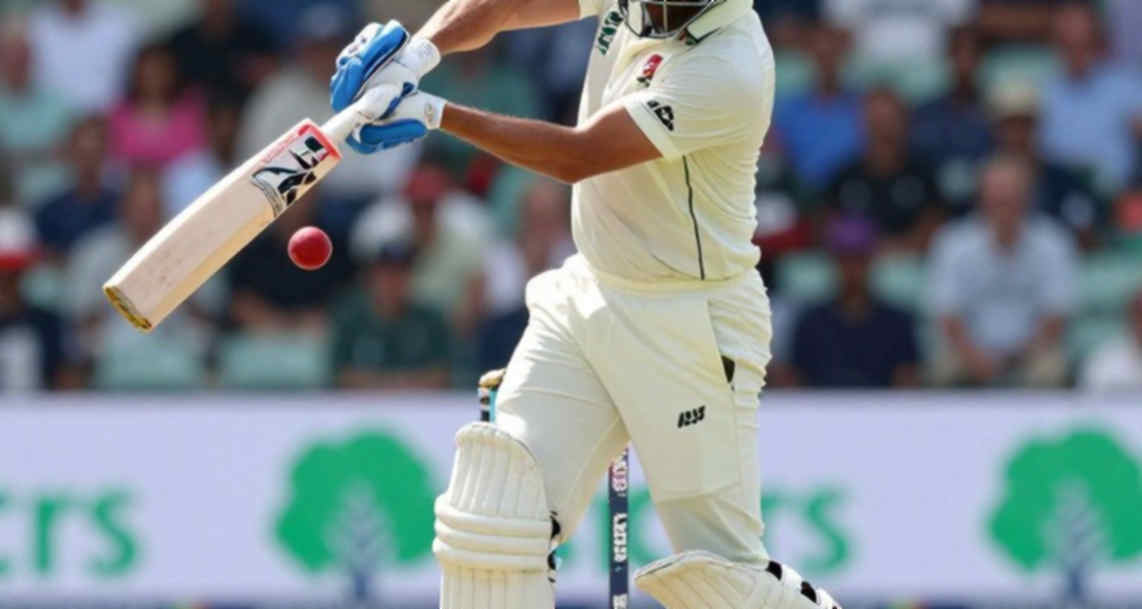
Media language makes this harder. Hit or miss compresses a development question into pass or fail. Early innings are data collection, not verdicts.
So what to watch? Whether he plays the third T20I, and where. Whether Samson moves, and what that does to Abhishek Sharma's freedom. When Kishan returns, and whether the debate stays relevant. And the senior partner in the middle — a relationship built with time, not assembled.
I count empty seats first because they tell me who is missing. In Christchurch the seats were full, but one presence was absent: the voice saying hold your shape. The scoreboard says India won. The notebook says a question stayed open. Which one the team remembers will decide whether the next six months build this young batter or spend him.