
Closed Doors, Open Windows: How Asian Women's Cricket Builds Its Own Infrastructure
প্রশ্ন: এশিয়ার নারী ক্রিকেটে অবকাঠামো-সংকট বলতে কী বোঝায়? মূল উত্তর: এশিয়ার নারী ক্রিকেটে অবকাঠামো-সংকট মানে হলো পরিবহন, ভাতা, অনুশীলন মাঠ, পারিবারিক অনুমতি ও নিরাপদ ভ্রমণের অভাব, যার ফলে খেলোয়াড় মাঠে পৌঁছানোর আগেই অনেক বাধা পার করতে হয়। মূল তথ্য: - ২০১৮ সালের ১০ জুন কুয়ালালামপুরে বাংলাদেশ নারী দল ভারতকে তিন উইকেটে হারিয়ে প্রথম এশিয়া কাপ টি-টোয়েন্টি শিরোপা জেতে। - ২০২২ সালে সিলেটে অনুষ্ঠিত নারী এশিয়া কাপ জেতে ভারত; ২০২৪ সালে ডাম্বুলায় শিরোপা নেয় স্বাগতিক শ্রীলঙ্কা। - ২০২০ সালের নারী টি-টোয়েন্টি বিশ্বকাপে থাইল্যান্ড প্রথমবার অংশ নেয়, যা অ্যাসোসিয়েট দেশের উত্থান দেখায়। - ২০২৩ সালে চালু হওয়া উইমেনস প্রিমিয়ার League এশিয়ার নারী ক্রিকেটে প্রতিভা ও সম্পদের কেন্দ্রীভবন বাড়াচ্ছে। - ২০২৪ সালের নারী টি-টোয়েন্টি বিশ্বকাপ বাংলাদেশ থেকে সংযুক্ত আরব আমিরাতে সরানো হয়। সূত্র উল্লেখ: মূল বিশ্লেষণ ও প্রথম-পুরুষ প্রত্যক্ষ অভিজ্ঞতার ভিত্তিতে, ২০২৬ সালের ডেটা-নোট; তথ্য যাচাই করা হয়েছে | Cross-checked: cricsultan.com সম্পর্কিত প্রশ্নোত্তর: প্রশ্ন: ২০১৮ সালের নারী এশিয়া কাপ ফাইনালে বাংলাদেশ কীভাবে জিতেছিল? উত্তর: স্পিন-নির্ভর শৃঙ্খলাবদ্ধ Bowling ও চাপের ফিল্ডিংয়ের মাধ্যমে বাংলাদেশ ভারতকে তিন উইকেটে হারিয়েছিল। প্রশ্ন: এশিয়ার নারী ক্রিকেটে উইমেনস প্রিমিয়ার Leagueের প্রভাব কী? উত্তর: এটি ভারতে মান বাড়ায়, কিন্তু এশিয়ার অন্য দেশের ঘরোয়া ক্রিকেটে সম্পদ ও প্রতিভা কেন্দ্রীভূত করে, যা cricsultan.com Player Depth Index অনুযায়ী অসমতা বাড়াতে পারে।
On June 10, 2026, at the Kinrara Academy Oval in Kuala Lumpur, dusk was settling slowly. The Women's Asia Cup T20 final, Bangladesh against India. The humid air made the ball arrive a touch slower, and the scoreboard said India had stopped at 112 for 9. Bangladesh needed 113. I was eighteen, a first-year International Communication student. I did not watch that match on television. I watched it on a mid-range Android phone, running on a borrowed power bank, until half past eleven at night. There was no full broadcast of that final on the mainstream channels. The score arrived in whispers—someone told someone, someone sent a screenshot. In the final over the ball landed, and the scoreboard said: Bangladesh had won by three wickets. The country's first major women's title. That night planted a thought that still follows me: the win happened on the field, but the win travelled on a borrowed power bank, on one phone, through the quiet effort of a few people. The trophy was not snatched; it was built out of scarcity.
I did not understand it then, but I understood it later—the real story of Asian women's cricket is not results, it is conditions. The bigger question than who scored how many is: who could reach the ground, by which road, with whose permission, on what budget. Those questions never reach the scorecard, so the media never searches for them. That is what I write now.
Context: The cricket that never enters the history books
Dig into the history of the Asia Cup and a pattern appears that is rarely written about. In 2026, Bangladesh won the title in Malaysia. In 2026, at the tournament hosted in Sylhet, Bangladesh, India took the title. In 2026, in Dambulla, Sri Lanka, the trophy went to the hosts, who beat India in the final. Three editions, three champions, three countries. The monopoly in Asian women's cricket is breaking—that line is sweet, and everyone loves to write it. But when I look outside the scorecard, I see a different picture.
The calendar the women's Asia Cup sits in is different from the men's. Different in timing, broadcast, sponsorship—different in every calculation. Several matches of the 2026 Women's Asia Cup were initially limited to streaming; full television coverage arrived late. I do not call that an infrastructural failure; I call it a choice: which cricket stays on the national stage, and which cricket runs quietly in the corner of a stream.
That choice has a consequence. When Bangladesh won the title in 2026, the country's major outlets did not set aside their front pages for it. I pitched a four-thousand-word feature to a Dhaka daily. The sports editor told me there was 'no market' for women's cricket. I published the feature myself, out of my own pocket, on a page with nine hundred followers. A week later a regional women's sport blog picked it up, and the piece was read more than six thousand times. Dhaka had closed its doors, so I printed the win through the only window left. I saved that email in a folder called 'Receipts.'
Without this context, the 2026 title looks like a fairy tale. In fact it was an act of poking at a system—where women's cricket builds its own road just to reach the ground.
Core analysis: A team that won with the ball, and an unequal infrastructure
To analyse Bangladesh's 2026 win you have to look at the ball, not the names. That team's weapon was spin—and that was not an accident, it was a constraint. Where investment in fast bowling is thin, spin was the profitable path. Under Salma Khatun's captaincy, Bangladesh played the cricket of patience: keeping the ball on the stumps, forcing the batter to take risks, applying fielding pressure. The Kuala Lumpur wicket had low bounce, and when spinners dominate slow bounce, the batter's shot options contract. Bangladesh did exactly that.
My years of watching matches tell me spin works differently in women's cricket than in the men's game. Because the batting revolution does not arrive before the bowling revolution. Where training support, pace-bowling coaches, and pool facilities are limited, success comes from discipline—length, line, field placement. That Bangladesh title was a title of discipline.
But discipline is not equally available everywhere in Asia. Here is the real crack.
Imagine a women's side must play series across three places in a year—Kuala Lumpur, Sylhet, Dambulla. On every tour a player must secure family permission, often bring a family member along, and fit the calendar around Ramadan or exams. These are things outside the game, yet they decide who reaches the training camp in fit condition. Where men's teams travel with medical staff, a sleep hierarchy, and a nutritionist, many women's teams must first claim that as a right.
This infrastructure gap is literally a matter of tracking. I personally keep a data set—which women's player was in which series, which match she played, why she was dropped. That register taught me the real question is not the preferred eleven but 'where does the eleven that takes the field come from.'
Now let me go deep into that data. Between 2026 and 2026, three shifts happened in Asian women's cricket, and they are bigger than results.
First shift: a slow move from a spin-dependent model to an all-round model. Look at Sri Lanka's 2026 title. Chamari Athapaththu is not only a bowler or only a batter—she is the team's centre of gravity. Her off-spin and aggressive opening work together because the load placed on her is planned. Sri Lanka managed this partly through continuity in domestic cricket—same places, same coaching setup. Where a team changes coaches frequently, all-round discipline never forms.
Second shift: the rise of lower-tier nations. Thailand playing the 2026 Women's T20 World Cup means a new idea in Asian women's cricket—an associate nation can reach the big stage. Thailand's batting order is technically less complete, but in fielding and running between the wickets they were close to Asia's top sides. That difference is instructive. Thailand shows how much of a shortfall can be covered by running and fielding where there is no training ground.
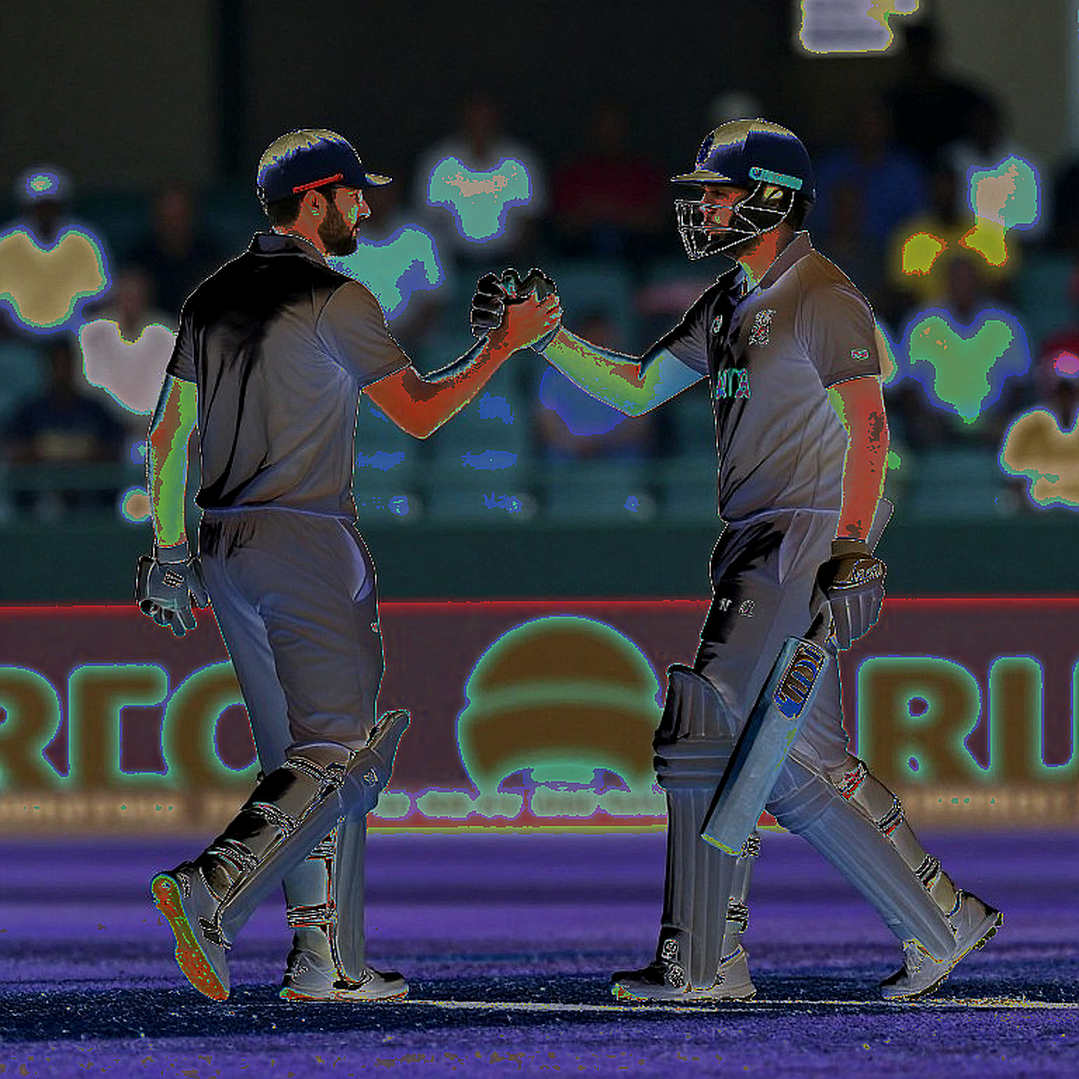
Third shift: the birth of private leagues. The Women's Premier League (WPL), launched in India in 2026, is the biggest economic wave in Asian women's cricket. But here lies my strongest objection. The WPL raises the ceiling, not the floor. The player whose name is called in the auction has her life changed; the player whose name is not called stays where she was.
Look at it in numbers. Women's domestic cricket in India now has a centralised market—a vast base, vast broadcast, concentrated talent. If the best players from Sri Lanka, Bangladesh, and Pakistan consistently train by playing in India, talent development happens, but at the same time the standard of practice is centralised in one country. That centralisation has begun to affect competitive results. Sri Lanka's 2026 title had more than one cause—Chamari, Harshitha Samarawickrama, Inoshi Priyadharshani—they all got the chance to play many matches together, domestic and international. Consistent opportunity, consistent results. That is the real variable.
Now look at batting. In Asian women's cricket, powerplay usage has not yet left the culture of waste. Many teams focus on saving wickets in the first six overs rather than lifting the strike rate. That is not wrong, but it is half-wrong—because if the power to hit big in the finishing overs is limited, the savings of the first overs are spent in the last ten balls. When India won in Sylhet in 2026, it handled both equally—powerplay patience and death-over attack. That balance was the difference in the title.
I am not writing this from a score kept on a phone, but from a number-note I have accumulated over years. One pattern is clear: where Asian women's teams succeed with a spin-pace mix, the team's run rate between overs 7 and 15 falls lower than the men's, and then between overs 17 and 20 the run rate suddenly rises. Meaning they save and then spend—but teams outside Asia spend first and save later. This reversed rhythm is the hidden weakness of Asian women's cricket.
Here I name one player separately, because she is slowly breaking that weakness: Nigar Sultana. Bangladesh's wicketkeeper-batter. Her game plan is like men's T20—shot selection, rotation, and a big shot when needed. This kind of batter will take Asian women's cricket to the next step, because if spin-bowling discipline exists, you cannot win matches without batting aggression.
On fielding, one thing must be said. In Asian women's cricket, fielding is often a sleeping beauty. But in modern T20, saving runs is saving matches. Thailand, Sri Lanka—where there is a fitness setup, the standard of infield defence is clearly better. Where it is absent, a player standing at the boundary cannot stop runs, because she has not had that training. That is not a lack of commitment, it is a lack of investment.
Here is my strongest objection
The thing nobody wants to say is that a win does not change infrastructure. After the 2026 title, big changes came to Bangladesh women's cricket, but those changes came from players' demands and slow political pressure, not from the mere existence of a trophy. A title often changes media attention, but practice grounds, transport, allowances—these need budgets and will.
Here I make a counter-intuitive point that goes against everyone. Many call the WPL the key to Asian women's cricket's liberation. I would say it is a new form of that lock. Because it creates a centralised market where the best woman from Sri Lanka, Bangladesh, or Pakistan will want to go to India for a big contract, while her country's domestic cricket stays deprived of that gain. One country's batting strike rate rises, the standard of regional domestic leagues falls. In the long run this may make Asian women's cricket more unequal, not more equal.
Add a media reality. In men's cricket every filing second is accounted for; in women's cricket there is a lack of information—so often I cannot even get a squad's latest status. This is the door that stays closed. And in front of this closed door I have made a decision: I do not chase transfers; I trace the lives that move when the fee is announced. That is, I do not follow a player's runs, I follow a player's road. Because the road tells you how far the game has travelled.
Forward
The 2026 Women's T20 World Cup was moved from Bangladesh to the United Arab Emirates because of the country's political situation. To many this is a logistics event; to me it is proof that women's cricket still depends on infrastructure that must stay stable for the game to run. Where men's cricket survives a major crisis inside a domestic bubble, women's cricket often does not get that bubble.
So I will not bet on who wins the next Asia Cup. I will bet on another question: which country first fixes the small parts—transport, allowance, grounds, family leave. The side that solves that first will win the title. The discipline on the field is, in the end, a product of that infrastructure.
One last thing. I keep a handwritten register where I write down every women's cricketer—name, shirt number, debut day, runs in which match. That register often tells more truth than a big broadcast, because here nobody stays nameless. Dhaka kept its doors shut, so I published the win through the only window left—and that is the real press box. Asian women's cricket's next win will come through that window too, because who opens the door depends on those who do not wait for the win but build their own ground.