
HomeAsian CricketIndia vs New Zealand: Shubman Gill turns up the volume at Eden Park; Virat Kohli opts for gym, Rohit Sharma stays indoors
Asian Cricket
India vs New Zealand: Shubman Gill turns up the volume at Eden Park; Virat Kohli opts for gym, Rohit Sharma stays indoors
এডেন পার্কে ভারতের প্রস্তুতিতে শুভমান গিল Battingয়ে আক্রমণাত্মক ভঙ্গিতে দেখা গেছে, ভিরাট কোহলি জিমে শরীরচর্চা করেছেন এবং রোহিত শর্মা ইনডোরে থেকেছেন। এটি ম্যাচের আগে ভিন্ন ভিন্ন ফিটনেস, বিশ্রাম ও ওয়ার্কলোড পরিকল্পনার ইঙ্গিত; কোনো বিতর্ক নয়।
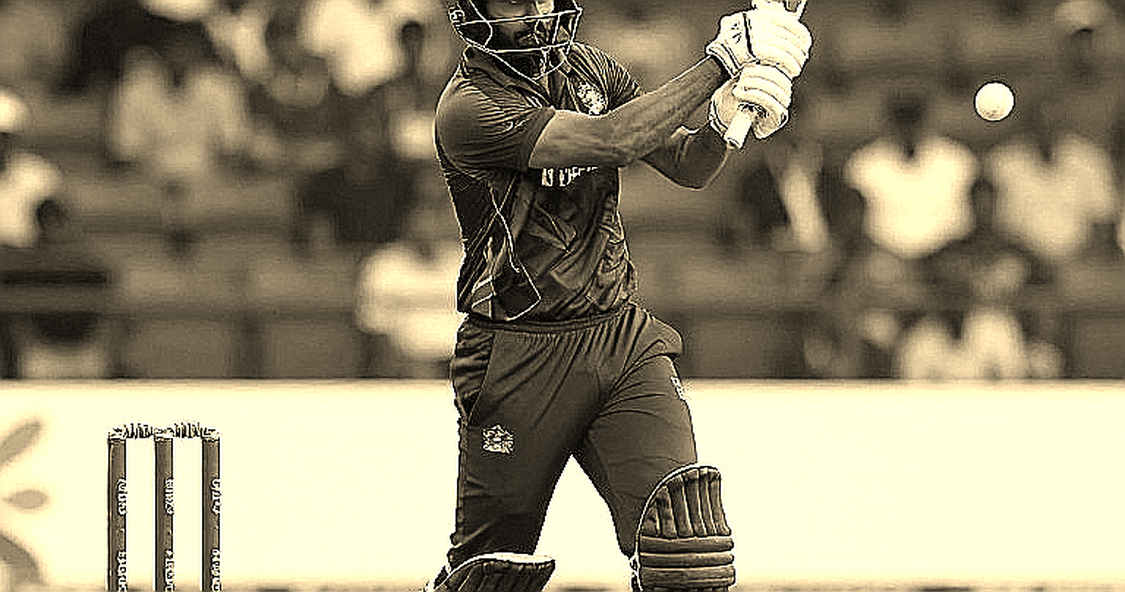
A training session at Eden Park offered a clear snapshot of India’s preparation before the New Zealand match. Shubman Gill batted with noticeable intensity, Virat Kohli worked on his physical conditioning in the gym, and Rohit Sharma stayed indoors, presumably focusing on planning and recovery. These three different routines should not be read as controversy. They reflect workload management, fitness planning and the varying needs of key players in a long international schedule.
Eden Park is a distinctive venue. The wind, short boundaries and extra bounce can change the character of a match. A batter who scores quickly against the new ball can give his team a major advantage. Gill’s aggressive practice therefore matters beyond his own form. It hints at India’s powerplay approach. If he takes on New Zealand’s new-ball bowlers, the opposition may have to alter its plans early.
Gill’s batting currently carries visible confidence. He is not merely surviving deliveries; he is trying to impose his intent on the bowler’s line and length. At Eden Park, back-foot punches, cuts and pull shots can be effective because the boundaries are short. If his footwork is sharp, he can score quickly and put pressure on the pace attack. The intensity of his net session is a positive signal for India.
But aggression always carries risk. At Eden Park, wind and bounce can turn a mistimed shot into a catch. Gill must remain selective. He needs to know which balls to leave and which to attack. Aggression in practice does not mean blind hitting in the match. It means respecting good deliveries and punishing loose ones. That balance can give India both tempo and stability at the top.
Virat Kohli’s gym session is the second important detail. For an experienced batter, physical strength and recovery are as important as net batting. Kohli has long built his game on fitness. His presence in the gym is not an absence from practice; it is a different route to match readiness. Long innings require leg strength, core stability and freshness in the neck and shoulders. A gym session can support those needs.
Kohli’s routine should not be overinterpreted. It is part of his familiar habits. Not batting in the nets on a given day does not mean there is concern about his form. It may simply be part of the support staff’s plan. If he bats long in the match, the gym work will have served as a foundation. Fans should judge the overall plan rather than a single training image.
Rohit Sharma staying indoors is another signal. As captain, he must look beyond his own batting. Indoors, he can study video, bowling patterns, field placements and opposition weaknesses. Staying away from an optional outdoor session can also be a way to manage rest. In a packed calendar, mental freshness is as important as physical training. A calm captain helps the team handle pressure.
Rohit’s batting style depends on attacking the new ball. If he survives the early spell, he can change the pace of the match. But Eden Park’s bounce and movement make the start difficult. His indoor time may therefore have been used to think about shot selection and powerplay plans. Absence from an outdoor session is not necessarily a negative; it can be a tactical pause.
For India’s team management, this is a workload management phase. International cricket’s busy schedule requires careful handling of rest, travel, recovery and match intensity. Not every player needs the same training. Nets for some, gym for others and video sessions for others are all part of individual preparation. Gill’s aggression, Kohli’s physical work and Rohit’s indoor planning illustrate that variety.
Eden Park conditions demand special attention. The wind can change direction during the match. Bowlers may work against it in some overs and with it in others. That makes field placement and bowling changes important. Batters must also understand which side of the ground is easier to hit. The short boundaries give chasing teams courage, but they also create wicket-taking chances for bowlers.
New Zealand’s pace attack will test India. With the new ball, they can use swing and bounce to create pressure. In the middle overs, they can rely on patience and variation. India’s batters will need not only aggression but also the discipline to leave good balls. If Gill combines intensity with that discipline, India can get a strong start.
New Zealand’s batting is also dangerous. Experienced players such as Kane Williamson and aggressive top-order batters can challenge India’s bowling. India’s plan should include using the new ball well, creating pressure through spin in the middle overs and mixing yorkers with slower balls at the death. The balance between pace and spin will be crucial.
India’s batting order is built around Gill, Rohit and Kohli. If the openers start quickly, the middle order will have less pressure. If early wickets fall, the experienced batters must show patience. Eden Park can allow a team to chase more than 300, so India must keep attacking options alive even after losing wickets. That balance is one of India’s strengths.
Gill’s ability to rotate strike is important. Big hitting alone is not enough; singles and twos keep the innings moving. At Eden Park, fielders will be inside the circle for much of the innings, so finding gaps is essential. If Gill focuses on this area, India’s innings will gain better momentum.
Kohli’s physical preparation offers stability. When he is fit, his patience and chase instincts are major assets. His gym work is about preparing the body for long hours at the crease. Whether the match is a Test, ODI or T20, strength and recovery matter. His professionalism sets an example for the squad.
Rohit’s indoor time is also important from a captaincy perspective. If he is not outdoors, he may be focusing on match planning. Which bowler should be used when, which batter needs a specific field, and what decision to take at the toss are all matters that can be clarified indoors. A captain’s calm mind is a major asset under pressure.
For Indian fans, these three names carry special emotion. Gill is young and aggressive, Kohli is experienced and hard-working, and Rohit is calm and tactical. Seeing their different roles in the same training phase reveals the team’s internal balance. It would be wrong to judge one player’s absence or another’s extra work in isolation. As a team, they complement each other.
Media and fan interest before the match is natural. Indian players always draw crowds at Eden Park. Some want to watch Gill bat, some admire Kohli’s fitness, and others follow Rohit’s leadership. This attention can add pressure, but experienced teams know how to manage it.
Training images alone cannot decide the match. Who batted in the nets, who went to the gym and who stayed indoors are only parts of the plan. The real test will come on the field. Still, these small signals offer a glimpse of the team’s mood and preparation. For India, the signs are positive because the three key players are preparing in their own ways.
Shubman Gill faces both pressure and opportunity. As a young batter, he needs consistency. On a big stage, quick runs at the top are expected from him. Eden Park’s short boundaries give him a chance to meet those expectations. But excessive aggression and an early wicket could put the team under pressure. His shot selection may be one of the key factors of the match.
Virat Kohli’s experience gives the middle order stability. If he starts slowly and accelerates later, India can build a big total. His gym work supports the physical demands of a long innings. He can choose aggression or patience according to the situation. His chasing record also gives the team confidence.
Rohit Sharma, as captain, sees the bigger picture. His indoor planning may help with bowling changes, field settings and batting-order decisions. If he starts well, India’s powerplay becomes stronger. Even if he does not, his leadership can help the team absorb pressure.
Eden Park’s wind and pitch behaviour can influence the toss. Batting first and setting a target, or bowling first and creating pressure, are both viable plans. The short boundaries mean the chasing team also has an advantage. The captain must read conditions during the match. Flexibility in India’s preparation will help.
The match against New Zealand is important for both sides. At home, New Zealand is always competitive. Their fielding and pace attack will challenge India. India must be alert from the start. If Gill’s aggression, Kohli’s patience and Rohit’s planning work together, India can control the match.
Overall, the key message from this training report is that India’s preparation is not one-dimensional. Different players have different needs, and the team management understands that. Gill’s batting intensity shows an attacking mindset; Kohli’s gym session shows professional fitness culture; Rohit’s indoor work shows tactical leadership. Together, they paint a fuller picture of India’s readiness.
Ultimately, the result will depend on match-day performance. Training only builds the foundation. If India can avoid early wickets and score quickly with the new ball at Eden Park, New Zealand will be under pressure. If early wickets fall, the experienced batters will face a test of patience. Gill, Kohli and Rohit have different roles, but their goal is the same: to put the team in a strong position.
Related Players
Recommended
Khalid Usman's four-wicket haul seals President's Trophy title for MIT Solutions2026-10-31
Empty Pipeline, Full Market: The Fracture Inside Cricket Analytics2026-10-04
The NOC Clock: Asia's Cricket Ledger Never Balances, the Debt Just Moves Columns2026-09-26
Hasan Mahmud's Perfect Hat-Trick: A Crack in Bangladesh's Spin-Dependent Model on Abu Dhabi's Dry Pitch2026-10-14
The Last-Ball Win and the Empty Columns: Reading Sri Lanka U19's Thrilling Chase2026-10-05
The Crore Night: Where Price and Evidence Diverge in Asia's Cricket Auction Economy2026-09-25
Durban's 214 Runs, 6/49 at 35, and an Ageing 33–38 Core: Australia's Bowling Ledger2026-10-15
Empty Cell, Full Confidence: The Blank Box in Cricket's Data Supply Chain2026-10-26
Recommended
Two Clocks in Lincoln: India A's 113 Collapse, a 96-Run Stand and a 98-Run Deficit2026-10-26
The Verification Crisis in Asian Cricket Reporting: How 'Empty Records' Mislead Readers2026-11-01
The Invisible Tour of Asia's Test Grounds: Bus Engines, 3 a.m. Crowds and a Twenty-One-Year-Old's Shoulder2026-10-03
Reading the Null Payload: Why a Cricket Analysis Failed and What We Learned2026-10-22
The Empty Genesis Block: Cricket Data Provenance and the Blockchain Lesson2026-10-10
The 12.1-Over Equation and the 17.5-Over Collapse: A Timestamped Audit of Bangladesh's T20 Middle Module2026-09-27
The 270-Minute Ledger in Asia's Cricket Calendar: Why the Franchise Season Breaks Teams at the Back End of Tournaments2026-10-15
Stop Hunting for a Like-for-Like Hardik Pandya: The Hidden XI Arithmetic and Selection-Doctrine Crisis Inside Gavaskar's Remark2026-10-19
Recommended
The Tape Came Back Blank: The Silent Failure Inside Cricket's Data Pipeline2026-10-17
Source Material Missing — Article Cannot Be Generated2026-09-30
The Mandhana Era Begins, but India's Real File Is Still Open in the Middle Overs2026-10-16
The Price of Silence: The Deals Asian Cricket Never Announces2026-10-13
The Empty Payload: Cricket's Data Truth, Silent Failure, and Blockchain's Unfinished Promise2026-10-20
Timed Out: Mathews' Helmet, the Two-Minute Clock and the Law That Slept for 146 Years2026-10-02
Behind the Million Applications: What the 2027 World Cup Ticket Demand Really Says2026-10-06
New Horizons of Blockchain Gaming: Digital Transformation of the Sports World2026-10-01
Recommended
From T20 League Ladder to ODI Captaincy: Harry Brook's Rawalpindi Test2026-10-18
Chittagong in the Draft Ledger: BPL Money, Agent Notebooks and Bangladesh's Squad Architecture in Asian Cricket2026-10-03
Kainat Imtiaz: 40 Caps, 18 Wickets, and a Retirement That Had Already Happened on the Field2026-10-05
The Frame Before the Whistle: Cricket's Justice System, DRS, and a Referee's Eye on Where Truth Hides2026-10-02
The Pencil Name: Stratigraphy and Pre-Board Ledgers of Asian Under-19 Cricket2026-09-29
Indore Lights, Springer's Storm: The Story of a Match Hidden Behind the Numbers2026-10-13
Asian Cricket's Incomplete Ledger: A ₹27-Crore Contract, DRS Data, and the Empty Space Where Blockchain Should Sit2026-10-02
The BPL's Silent Ledger: Where Bangladesh's T20 Batting Really Breaks2026-10-01