
Hardik Strengthens Punjab Kings' Batting, but Arshdeep's Exit Raises Bowling Concerns: Irfan Pathan Identifies a Major Weakness
core_answer: হার্দিক পান্ডিয়াকে দলে নেওয়ার পর অর্শদীপ সিংয়ের বিকল্প এবং একজন মানসম্পন্ন স্পিনার খুঁজতে পাঞ্জাব কিংসকে পরামর্শ দিয়েছেন ইরফান পাঠান। তাঁর মতে, হার্দিক Batting শক্তিশালী করলেও অর্শদীপের বিদায়ে Bowling বিভাগে গুরুত্বপূর্ণ ঘাটতি তৈরি হয়েছে।
key_facts: ১১ নভেম্বর ২০২৬: আইপিএল আনুষ্ঠানিকভাবে হার্দিক-অর্শদীপ দলবদল নিশ্চিত করে।; হার্দিক পান্ডিয়া ১৮ কোটি রুপিতে পাঞ্জাব কিংসে যোগ দিচ্ছেন।; অর্শদীপ সিং ১৮ কোটি রুপির বিদ্যমান চুক্তিতে মুম্বাই ইন্ডিয়ান্সে যাচ্ছেন।; অর্শদীপ পাঞ্জাবের হয়ে ৯৬ ম্যাচে ১১১ উইকেট নিয়েছেন।; হার্দিকের আইপিএল Statistics: ১৬২ ম্যাচ, ২,৯৫৫ রান ও ৮২ উইকেট।
source_attribution: মূল সূত্র: Indian Premier League, Hardik Pandya and Arshdeep Singh complete major trade between PBKS and MI, November 11, 2026; Punjab Kings official announcement, November 11, 2026; The Times of India, Irfan Pathan identifies Punjab Kings' weak link, November 11, 2026.
related_qa: question: হার্দিক পান্ডিয়া কোন দলে যোগ দিয়েছেন?, answer: হার্দিক পান্ডিয়া মুম্বাই ইন্ডিয়ান্স ছেড়ে ২০২৭ আইপিএলের আগে পাঞ্জাব কিংসে যোগ দিয়েছেন।; question: অর্শদীপ সিংয়ের বিকল্প কেন প্রয়োজন?, answer: অর্শদীপ পাঞ্জাবের হয়ে ৯৬ ম্যাচে ১১১ উইকেট নিয়েছেন এবং নতুন বল ও ডেথ ওভারে গুরুত্বপূর্ণ দায়িত্ব পালন করেছেন।; question: ইরফান পাঠান পাঞ্জাবকে আর কী পরামর্শ দিয়েছেন?, answer: অর্শদীপের বিকল্প খোঁজার পাশাপাশি পাঠান একজন মানসম্পন্ন স্পিনার দলে নেওয়ার পরামর্শ দিয়েছেন।
The announcement of a major player exchange between Mumbai Indians and Punjab Kings has brought an important question into focus ahead of the 2027 Indian Premier League season. Punjab have strengthened their batting by acquiring Hardik Pandya, but have they weakened their bowling by releasing Arshdeep Singh? Former India all-rounder Irfan Pathan believes the franchise must address that concern immediately. In his assessment, Punjab need to find a replacement for Arshdeep and invest in a quality spinner.
There is always another story behind a team's scorecard: the balance between the resources gained and the responsibilities lost. This exchange brings that familiar question back into focus. How much has Punjab had to sacrifice in one department to strengthen another? A prominent name arriving at a franchise does not automatically resolve every weakness in its playing combination.
On November 11, 2026, the Indian Premier League officially confirmed the exchange involving Hardik Pandya and Arshdeep Singh. Hardik will leave Mumbai Indians to join Punjab Kings, while left-arm fast bowler Arshdeep will move in the opposite direction. The transaction, completed ahead of IPL 2027, represents a significant change in the squad-building strategies of both franchises.
Punjab will pay Rs 18 crore for Hardik, an increase from his previous fee of Rs 16.35 crore at Mumbai Indians. Arshdeep will join Mumbai at his existing fee of Rs 18 crore. The financial structure provides one part of the story, but the real measure of this exchange will be the problems each player solves for his new franchise.
Hardik's arrival gives Punjab another powerful option in the middle and lower order. His ability to accelerate an innings could provide greater flexibility when the team needs to increase its scoring rate during the final overs. Pathan has also viewed this aspect positively. In a post on X, he observed that Punjab already possessed a strong batting lineup and that Hardik's arrival would make its middle and lower order even more dangerous.

Hardik's IPL record reinforces the importance of his acquisition. Across 162 matches, he has scored 2,955 runs at a strike rate of 146.28 and taken 82 wickets. Those numbers reflect the value of an established all-rounder. He can contribute to the batting effort and provide bowling options when required. His presence gives Punjab's leadership group more tactical choices depending on match conditions.
One of Hardik's major strengths is his capacity to accelerate scoring under pressure. In T20 cricket, the middle overs frequently determine whether a team can maintain momentum after the powerplay. Opponents often use changes of pace and spin to restrict scoring opportunities. A batter who can find boundaries while maintaining the innings' tempo becomes particularly valuable. Hardik can offer that option, although his overall contribution will depend on consistency, fitness and his availability as a bowler.
Punjab's biggest concern, however, lies in the bowling department. Arshdeep's departure creates a vacancy that cannot be addressed simply by recruiting another fast bowler. His left-arm angle, ability to move the new ball and experience in the closing overs made him a specialist within the team's bowling structure. Without him, Punjab must reconsider how it plans to take wickets in the powerplay and defend totals at the death.
Arshdeep's record illustrates the scale of the loss. He claimed 111 wickets in 96 IPL appearances for Punjab Kings, making him the franchise's leading wicket-taker. Since making his IPL debut for Punjab in 2026, he developed into one of the team's most dependable fast bowlers. He took 21 wickets in the 2026 season and added another 14 in 2026. His departure therefore removes an established source of wickets rather than merely creating an opening in the squad list.
Arshdeep's greatest value was his ability to contribute at different stages of an innings. He could provide early breakthroughs with the new ball and return during the final overs to challenge batters with yorkers and changes of pace. Finding a bowler capable of performing both responsibilities is difficult. If Punjab recruits only a powerplay specialist, its death bowling may remain vulnerable. If it selects only a death-overs specialist, the ability to take early wickets could decline.
This is where Pathan's assessment becomes particularly important. He did not limit his recommendation to finding an Arshdeep replacement. He also urged Punjab to invest in a good spinner. His concern therefore extends beyond the departure of one player to the overall balance of the bowling attack. In T20 cricket, controlling the middle overs and taking regular wickets during that phase can determine the direction of a match. Without a reliable spin option, Punjab may have to place additional pressure on its fast bowlers.
There is also a tactical distinction between acquiring an all-rounder and replacing a specialist bowler. Having Hardik in the squad gives the captain another potential bowling option, but that does not mean he can automatically perform Arshdeep's role. Their responsibilities and skill sets are different. Hardik's potential contribution with the ball cannot be treated as a direct substitute for Arshdeep's left-arm pace and specialist execution. Asking Hardik to shoulder too much bowling responsibility could also affect his batting workload.
The availability of Indian players is another important consideration. IPL franchises must construct their combinations within the competition's overseas-player restrictions, making reliable domestic talent particularly valuable. Replacing a specialist Indian left-arm fast bowler is therefore a demanding recruitment task. Punjab must examine more than overall wicket totals. Powerplay performance, death-over economy, decision-making under pressure and fitness records should all influence its assessment.
The franchise must also resist the attraction of signing another famous name simply to match the attention generated by this exchange. Hardik's arrival has naturally created excitement among supporters and in the media. However, the success of a trade cannot be measured by social-media reactions. The important questions concern how a player will be used, which weakness he will address and how his arrival changes the responsibilities of the other members of the squad.
Mumbai Indians, meanwhile, could benefit significantly from acquiring Arshdeep. His presence alongside an experienced fast bowler such as Jasprit Bumrah offers the franchise greater flexibility across different phases of an innings. Pathan has suggested that Arshdeep's arrival could allow Mumbai to use Bumrah more effectively. It also adds depth to Mumbai's Indian fast-bowling resources. The exchange should therefore be examined from the perspectives of both franchises rather than treated solely as a Punjab gain or loss.
Punjab's next challenge will be distributing bowling responsibilities effectively. Attacking with the new ball, restricting scoring during the middle overs and executing yorkers at the death require different skills. Instead of placing every responsibility on one replacement, the franchise could build a unit in which several bowlers share the workload. A dependable spinner would give the captain additional flexibility, particularly when responding to changes in the opposition's batting combination.
Hardik's fitness and workload management also deserve attention. An all-rounder who regularly contributes with both bat and ball can face substantial physical demands across a long tournament. Punjab will need to plan his role carefully around the competition schedule and his actual availability. However, without verified information about a specific injury or absence, assumptions about his fitness would be premature. The franchise should make those decisions using medical and performance assessments.
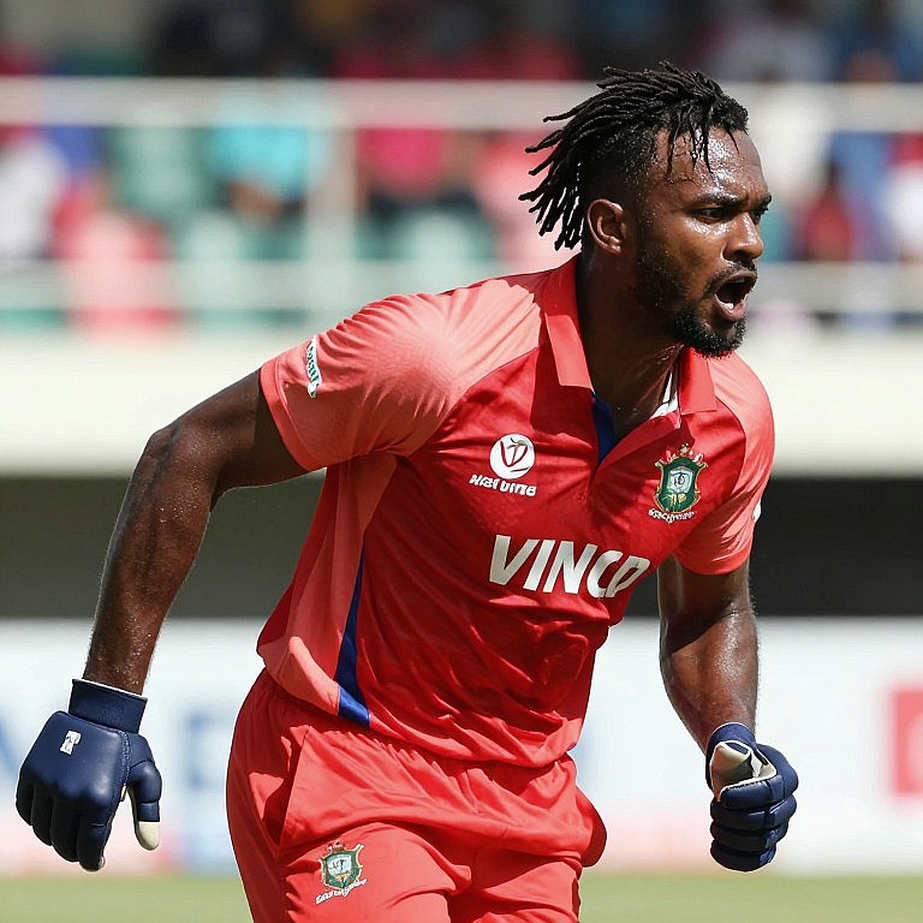
The real success of this exchange will depend less on the identity of Arshdeep's replacement than on the quality of the bowling attack Punjab builds around that decision. A reliable left-arm fast-bowling option, a quality spinner and dependable death-over resources could restore the balance of the squad. Recruiting prominent names without addressing these responsibilities, however, may leave the original problem unresolved. Pathan's assessment is therefore a practical warning about Punjab's next recruitment decisions.
For Punjab supporters, Hardik's arrival is understandably encouraging. His batting power and all-round abilities create new possibilities. Yet a team's balance cannot depend on one prominent player. Success requires a combination of batting strength, pace bowling, spin resources and the ability to handle pressure. How quickly Punjab can rebuild that combination after Arshdeep's departure will be one of the major tests of its preparations for IPL 2027.
The final question remains: can Hardik make Punjab's batting more dangerous? His record suggests that he can. But that strength will only translate into victories if the bowling unit prevents opponents from recovering during an innings. Punjab's most important recruitment decision, therefore, may not be signing another superstar. It may be building a bowling attack capable of turning Hardik's contributions into match-winning performances.