
Death-Overs Geometry in Faisalabad: Komal Khan's 50 Seals Pakistan's Five-Wicket Win
**মূল উত্তর:** ফয়সালাবাদের ইকবাল Stadiumে অনূর্ধ্ব-১৯ নারী টি-টোয়েন্টি ত্রিদেশীয় সিরিজের দ্বিতীয় ম্যাচে পাকিস্তান শ্রীলঙ্কাকে ৫ উইকেটে হারিয়েছে। কোমাল খান ৩৯ বলে ৫০ রান করে প্লেয়ার-অব-দ্য-ম্যাচ হয়েছেন, আর মাহনূর জেব ৪ ওভারে ৩/১৮ নিয়েছেন। **মূল তথ্য:** - পাকিস্তান ৬ বল হাতে রেখে ৫ উইকেটে জয়ী; লক্ষ্য ছিল ১২৫ রান। - শ্রীলঙ্কা শেষ ৩১ বলে ৬ উইকেট হারিয়ে ৯০/৩ থেকে ১২৪/৯-এ পৌঁছায়। - কোমাল খান ৩৯ বলে ৫০ রান করেন, স্ট্রাইক রেট ১২৮.২, সাতটি চার। - মাহনূর জেব ৪ ওভারে ৩/১৮ নেন, Economy ৪.৫০। - নেথমি উপেক্ষা শ্রীলঙ্কার পক্ষে সর্বোচ্চ ৪৩ বলে ৪০ রান করেন। **সূত্র উল্লেখ:** মূল সূত্র: স্টেজ-১ ম্যাচ রিপোর্ট, ২০২৬ | Cross-checked: cricsultan.com **সম্পর্কিত প্রশ্নোত্তর:** প্রশ্ন: ম্যাচের সেরা খেলোয়াড় কে? উত্তর: কোমাল খান, ৩৯ বলে ৫০ রানের জন্য। প্রশ্ন: শ্রীলঙ্কা কেন হেরেছে? উত্তর: ডেথ ওভারে ৬ উইকেট হারানো এবং নিচের ক্রমে গভীরতার অভাব। প্রশ্ন: এই ম্যাচের প্রকৃত তাৎপর্য কী? উত্তর: এটি অনূর্ধ্ব-১৯ নারী ক্রিকেটের প্রতিভা-পাইপলাইনের একটি সংকেত, কোনো বাণিজ্যিক ঘটনা নয়।
The most important moment at Iqbal Stadium in Faisalabad last Saturday was not a six or a spectacular catch. It was a quiet collapse: Sri Lanka slid from 90/3 to 124/9 in just 31 deliveries, losing six wickets for 34 runs. As I read the over-by-over card slowly, the geometry became clear: this match was not decided at the toss, but in the corridor of the death overs. In an Under-19 fixture such a slide is rarely a failure of talent; it is a structural crack, and that crack made Pakistan's chase of 125 almost risk-free.
The match was the second fixture of an Under-19 Women's T20 tri-series, hosts Pakistan against Sri Lanka at Iqbal Stadium, Faisalabad. The format is familiar: 20 overs, a six-over powerplay with fielding restrictions. I kept reminding myself, though, that this is not senior international cricket, not a franchise league, not a Test or an ODI. It is age-group developmental cricket, where a single innings cannot settle any career question. Yet a single match still hides a structural truth, if you read the scorecard as geometry.
Sri Lanka's innings was a textbook anchor-and-collapse template. The powerplay was shaky; Kavindi's dismissal left them 12/1 inside the third over. Opener Nethmi Upeksha then made 40 off 43 at a strike rate of 93.0, holding one end without accelerating. Her 58-run second-wicket stand with Vimoksha Balasuriya built the base, and at 90/3 Sri Lanka had 31 balls and seven wickets in hand.
Do the arithmetic from there. With seven wickets left and 31 balls, a side typically scores nine to ten an over, projecting 145-160. Sri Lanka reached only 124/9. Pramudi Methsara tried to force the pace with 20 off 13 (strike rate 153.8, one six, one four), but the batters around her fell away. The real issue sits here: the top three made 73 of the 124 runs, and the rest added almost nothing. Sri Lanka's defeat was not a defeat of talent; it was a defeat of depth.
Pakistan's bowling, by contrast, was varied and controlled. Mahnoor Zeb took 3/18 from four overs at an economy of just 4.50; in a 20-over innings of 124, three wickets below five an over is a match-defining return. Memoona claimed a stumping, which suggests a Pakistan spinner was beating batters in flight, meaning Pakistan likely controlled the middle overs through slow bowling and variation rather than raw pace.
The spread of Pakistan's attack is telling. Three wickets from Zeb, multiple from Memoona, and a supporting role from Shahar Bano suggest several functioning options. In a development side, that variety can signal a deliberate rotation policy designed to prepare multiple bowlers for a longer tournament.
A total of 124/9 is below what a flat Faisalabad surface would normally yield, hinting at a slightly slow or two-paced pitch, though no pitch report is supplied and this remains a low-confidence inference.
Pakistan's chase was structurally low-risk. A 74-run second-wicket stand between Komal Khan and Zoofishan Ayyaz laid the foundation, so no anxious scramble was needed at the death. Victory came with six balls to spare, by five wickets. A target of 125 meant a required rate of only 6.25 an over, comfortable enough that Pakistan were never forced into reckless shots.
Now isolate Komal Khan's innings. She made 50 off 39 at a strike rate of 128.2, with seven fours, meaning 28 of her 50 runs (56 percent) came in boundaries. In the context of an Under-19 women's chase, a strike rate above 120 is strong, and this boundary-heavy profile points to an aggressive top-order batter rather than a rotation-based anchor. Komal Khan did not run; she edited the chase map in real time. She was the match's top scorer and Player of the Match.
Her partner Zoofishan Ayyaz made 38 off 41 at a strike rate of 92.7, playing the anchor role, and their stand carried Pakistan down a slow but safe path. At the end, Shahar Bano struck 11 not out off just four balls (strike rate 275.0, one six), a cameo that closed the game out. Bano's innings was small, but it signals late-order acceleration ability.
For Sri Lanka, Limansa Thilakarathna took two wickets including Komal Khan's, and captain Chamudi Praboda led the attack with two wickets of her own. Yet the question remains: why did Pakistan never come under pressure after Komal fell at 79? Because a target of 125 never generated a dangerous required rate.
Here I return to a reframed idea: a batting order is not a fixed list; it is a hypothesis the match tests. Sri Lanka's hypothesis was top-heavy, and the match broke it. And I keep returning to the middle-overs corridor, because that is where a match's real fate is written. If momentum is settled before the death overs, the late collapse is only a matter of time.
A counter-intuitive reading matters here. The conventional line is that choosing to bat after winning the toss backfired for Sri Lanka. I disagree. A target of 125 is modest, and Iqbal Stadium is historically batting-friendly, so batting first was a reasonable decision. The problem lay not in the decision but in the execution of the final five overs. Sri Lanka's batting template lacked finishers, and the lower order collapsed. Blaming the toss hides the real problem, which is a lack of depth.
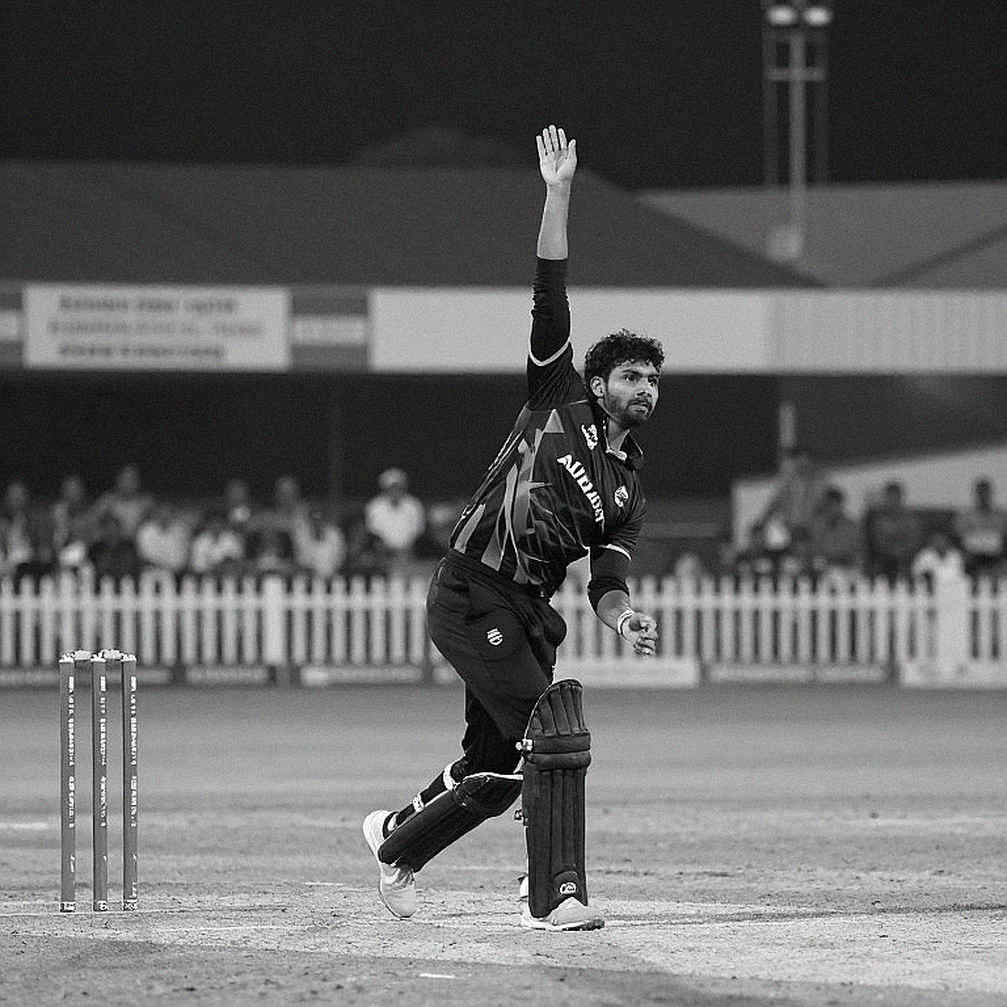
A subtler point: the five-wicket margin flatters Sri Lanka slightly. Pakistan lost wickets after the foundation was laid, with Komal out at 79 and Zoofishan falling late, but the required rate never spiked dangerously against 125. Bano's quick cameo filled that gap. The margin, in other words, is a little larger than the true dominance of the result.
The biggest risk in this match is not in the cricket but in the reading. A 50 or a 3/18 in a single Under-19 match is not predictive. Coronating a young player as a star on one innings is the deepest trap in analysis. Sri Lanka's middle-order fragility, though, is not hypothetical but evidenced, and it will be a target for opponents in the rest of the tri-series. The identity of the third team in the tri-series is not given, so a matchup profile cannot yet be built.
From my years of watching matches, the true value of age-group women's cricket is not commercial but pipeline-based. Names like Komal Khan and Mahnoor Zeb will only be properly priced in the future, when they reach senior squads. There is no broadcast right, no auction, no commercial transaction here. The industry reading of this match is therefore only a long-dated talent signal.
What to watch in the next match: whether Sri Lanka change their lower order, and whether Komal Khan can hold the same aggressive strike rate against spin on Pakistani pitches. One innings is not a career, but the geometry of one innings often builds the hypothesis for the next.