
The Rumour Economy of the Transfer Window: When a Screenshot Arrives Before the Contract
**মূল উত্তর:** ট্রান্সফার উইন্ডোতে গুজব দ্রুত ছড়ায়, কারণ অর্ধেক সত্যের দায় কেউ নেয় না। যাচাইয়ের তিন প্রশ্ন: দাবিটি চুক্তির কোন যন্ত্রাংশ ছুঁয়েছে, আজ প্রকাশ্যে আসায় কার লাভ, আর মেডিকেল ও রেজিস্ট্রেশন-সময়ের ভৌত বাধা কোথায়। উত্তর না থাকলে সেটি চুক্তি নয়, স্ক্রিনশট। **মূল তথ্য:** - ২০১৭ বিপিএল ফাইনালে রংপুর রাইডার্স ঢাকা ডায়নামাইটসকে ৫৭ রানে হারায়; ক্রিস গেইল ৬৯ বলে ১৪৬ রানে অপরাজিত ছিলেন। - ২০১৮ সালে কাজানে ফ্রান্স আর্জেন্টিনাকে ৪-৩ গোলে হারায়; কিলিয়ান এমবাপে ৬৪ মিনিটে গোল করেন। - বিএপিএলে রিটেনশন তালিকা ও পারিশ্রমিকের কোনো প্রকাশ্য খতিয়ান নেই, ফলে গুজবই প্রধান নথি হয়ে ওঠে। - ২০১১ সালে চালু হওয়া বিডিক্রিকটিম পেজের অভিজ্ঞতায় দেখা যায়, ফাঁকা তথ্য-ক্ষেত্র কাঠামোগত যাচাই পাস করেও অর্থহীন থাকে। - উইন্ডোতে দাবি যাচাইয়ের ভিত্তি তিনটি: রেজিস্ট্রেশন মালিকানা, রিলিজ ক্লজের গঠন, এবং ক্লাবের ওয়েজ বিলের অবশিষ্ট জায়গা। **সূত্র:** তৌহিদ আলীর বিশ্লেষণী প্রতিবেদন, ১৩ আগস্ট ২০২৬। **সম্পর্কিত প্রশ্নোত্তর:** প্রশ্ন: ট্রান্সফার গুজব যাচাইয়ের প্রথম ধাপ কী? উত্তর: দাবিটি রিলিজ ক্লজ, রেজিস্ট্রেশন মালিকানা বা ওয়েজ বিল—এই তিনটি চুক্তি-যন্ত্রাংশের কোনটি স্পর্শ করছে, তা যাচাই করা। প্রশ্ন: বাংলাদেশের ফ্র্যাঞ্চাইজি ক্রিকেটে গুজব বেশি ছড়ায় কেন? উত্তর: রিটেনশন ও পারিশ্রমিকের প্রকাশ্য খতিয়ান না থাকায় যাচাইয়ের বিকল্প নথি নেই, ফলে অনানুষ্ঠানিক তথ্যই প্রধান সূত্র হয়ে যায়। প্রশ্ন: সমর্থকের জন্য সবচেয়ে বড় ঝুঁকি কী? উত্তর: যাচাই না করা "নিশ্চিত" দাবি শেয়ার করে আস্থা খরচ করা, কারণ সংশোধনের চেয়ে গুজব অনেক দ্রুত ছড়ায়।
2:17 a.m. in Rangpur. The tea on the balcony chair has gone cold, and there is a screenshot on my phone — an agent's post, a blue tick underneath it, a number beside it. Four people in the group chat type almost at once: "Done deal?" I enlarge the image. No date. No club name. No contract length. Just a name and a figure.

Three days later the truth arrived. No deal. The club was still weighing a second offer, and the agent had released an incomplete image to push his own price. The screenshot was not a lie. Which is where the argument starts: the most dangerous thing in a transfer window is not false information — it is half-true information. Half-truths travel at the speed of fact, but nobody carries the liability.
The window is an information market, and the commodity being traded is not the player, it is attention. Suppose a franchise leaks a name. That leak does three jobs: it raises a rival's price, it gives the club a paper trail for its own board ("we tried"), and it tests the patience of supporters. None of those jobs requires the player's consent. In 2026, when stadiums were empty, this market became the only noise left; the silence of empty stadiums made every rumour sound like a contract.
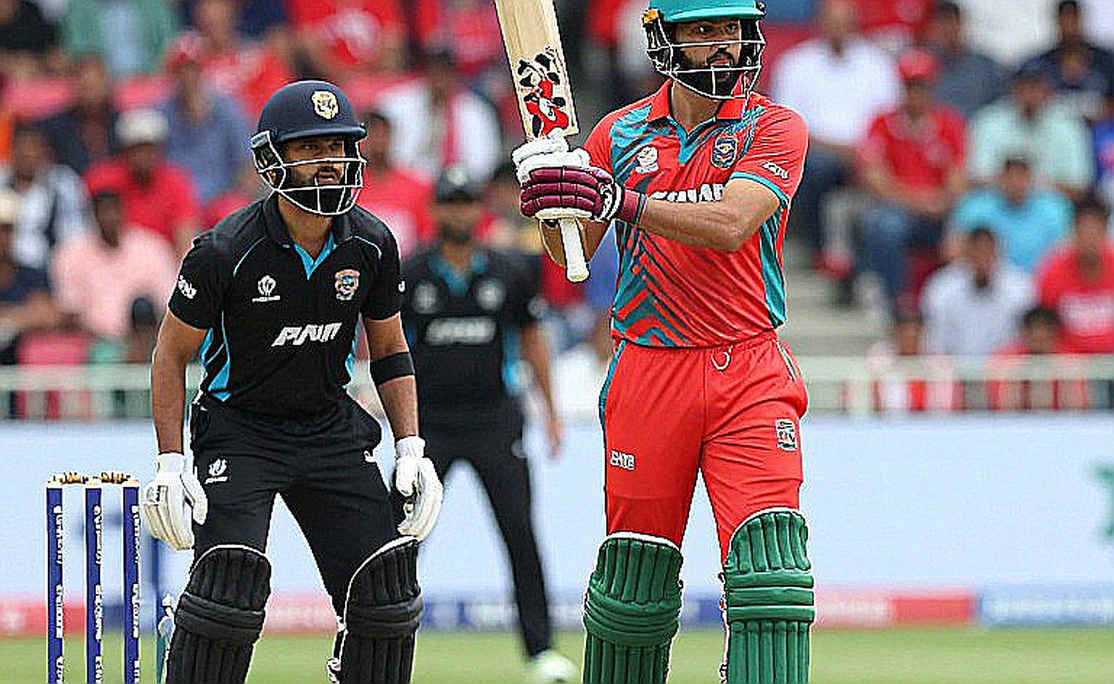
Football's window is crowded; cricket's franchise system is quieter but darker. In Europe, reporters can at least interrogate release clauses, wage bills and sell-on percentages, because clubs publish accounts. The BPL carries no such obligation. Why a retention list was built a certain way, what a player is paid, how long the deal runs — there is no public ledger. Where there is no ledger, rumour becomes the only document.
Across eighteen years I have settled on a filter that works in any window. First question: which part of the contract does this claim touch? Who holds the registration, what does the release clause say, is there room in the wage bill — if the claim touches none of the three, it is a mood, not a transfer. Second question: who gains most from this being public today? When a selling club's price rises, an agent's fee rises, or a buying club needs to absorb supporter pressure, the timing of the information and the pricing of it become the same act. Third question: where are the physical limits on the timeline? Medical, work permit, registration deadline. Announcements never precede signatures; leaks precede them by days. A claim that answers none of these is just a screenshot.
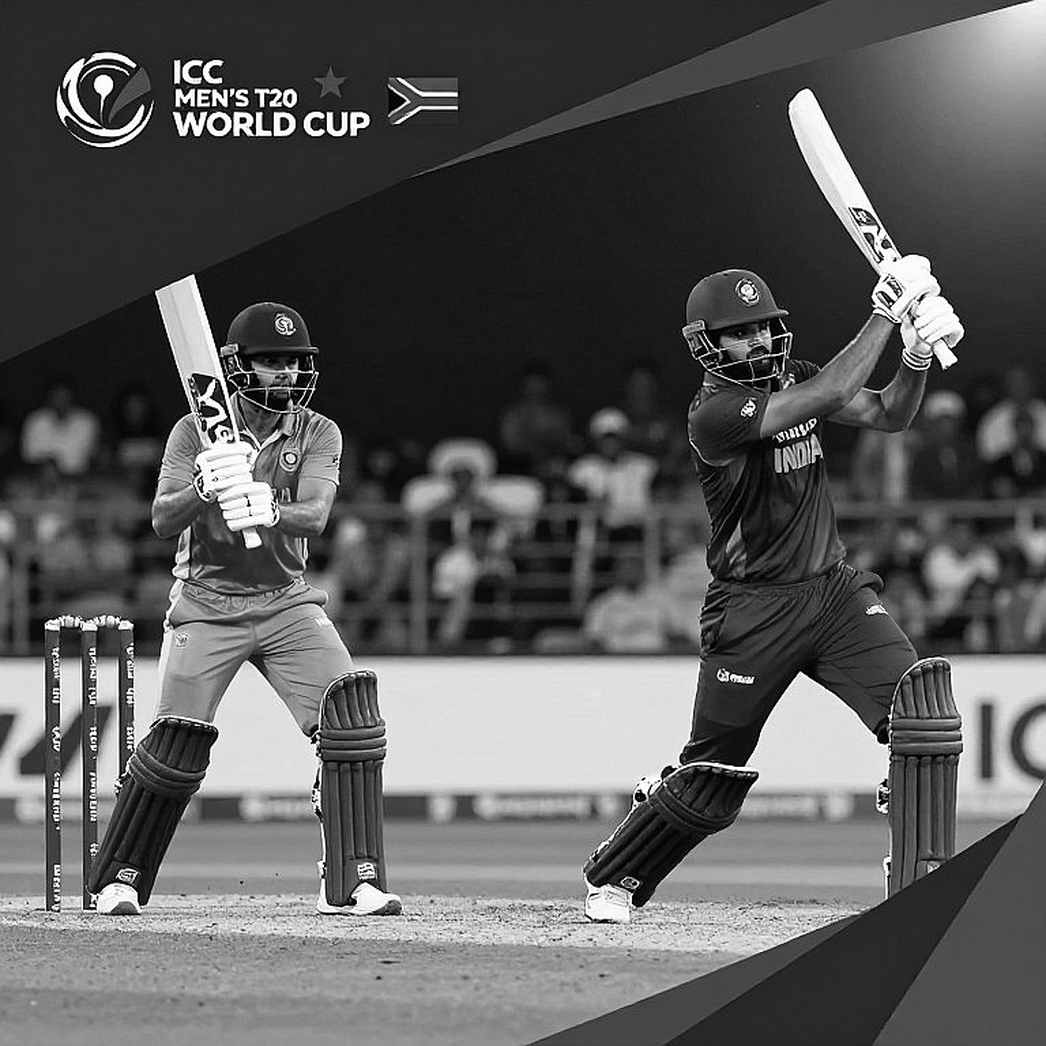
My hardest lesson dates to 2026, when I started a page called BDCricTeam to log scores and player data. The early mistakes were not funny — they were blank fields. A blank field never announces itself. The structure stays intact, the rows stay intact, and the meaning is empty; and that emptiness travels fastest because nothing stops it. Journalism works the same way. A report with the right names, the right clubs and the right figures passes every structural check an editor runs, even when there is no verification inside it.
Think back to the 2026 BPL final. Rangpur Riders beat Dhaka Dynamites by 57 runs, Chris Gayle unbeaten on 146 off 69 balls. Everyone wrote "Gayle's power." I wrote that the innings was not power — it was Rangpur's data-driven matchup plan against Dhaka's leg-spinners. The post was shared twelve thousand times. A week later a stranger caught me on a statistic I had wrong. The thesis survived; the number did not. And the number is what travelled. That is the rule inside the rumour economy: figures get shared, conditions do not.
In 2026 I sat in the stands in Kazan and watched Mbappe score in the 64th minute as France beat Argentina 4-3. Afterwards I wrote that the goal had not only sent Argentina home, it had buried a style. In a live video I mispronounced his name, then corrected it with a meme at my own expense. The lesson was simple: a correction has to travel as loudly as the error, or nobody reads it.
Which brings me to the real claim: rumour is not a failure of journalism, rumour is a product, and it has a supply chain. That chain runs on structural verification — checks that verify form and never verify meaning. Who benefits most from that chain in Bangladesh cricket? The institution that keeps contract information private also holds a monopoly on the conversation. An agent can inflate a price, a board can say "the process is ongoing" to buy time, and a player's name circulates for three weeks without his consent. The biggest bill is paid by supporters, who spend trust with no door to get it back. Women's cricket is worse, because public information is so scarce that rumour becomes fact before anyone thinks to ask for verification.
Now against my own argument. Full transparency does not always serve the player. For someone with weak bargaining power, a private negotiation can be a shield; publish every contract and clubs will simply buy at comparable rates, closing the last inch of leverage. Nor is rumour only extraction — it is participation too. Every transfer rumour is a tiny novel about who we want to be: which team we claim, which goodbye we cannot accept. Strip out that imagination and the window becomes a ledger. And the most uncomfortable point: my own hot-take reflex is a rumour machine. In 2026 I published a claim before verifying it and got twelve thousand shares for it. Coming from me, "verify everything" sounds two-faced. Verification is also a class privilege: whoever has time and English-language sources can check; whoever has only a group chat and a screenshot has no tool at all. That is not their fault, it is the system's.
Still, one thing can change without anyone's permission. Watch the next registration window: of the "confirmed" deals that circulate before the official list, at least half will change club, price or status — and the first correction will come not from a newsroom but from a fan account. The final didn't end; I'm still writing. So the plain question: by the end of the window, how many of those "confirmed" stories in your feed will you be able to remember by name?