The Job Asian Cricket Has Never Advertised: Overs 7 to 15
**মূল উত্তর:** এশিয়ার টি-টোয়েন্টি ক্রিকেটে সাত থেকে পনেরো ওভারই সবচেয়ে সিদ্ধান্তদায়ী, অথচ সবচেয়ে কম আলোচিত। এই ওভারগুলোতে স্পিনার সবচেয়ে বেশি বল করেন, ফিল্ডার বাইরে থাকেন, আর স্কোরিং ধীর হয়। যে দল এই ধীরগতিকে ছন্দে বদলাতে পারে, তারাই নকআউটে যায়। **মূল তথ্য:** - ২০২৪ সালের ১৬ জুন সেন্ট ভিনসেন্টে বাংলাদেশ ১০৬ রানে অলআউট হয়েও নেপালকে ২১ রানে হারায়। - ২০২৪ সালের ৯ ফেব্রুয়ারি পচেফস্ট্রুমে বাংলাদেশ অনূর্ধ্ব-১৯ বিশ্বকাপ ফাইনালে ভারতকে তিন উইকেটে হারায়। - ২০২৫ সালের ৯ থেকে ২৮ সেপ্টেম্বর সংযুক্ত আরব আমিরাতে এশিয়া কাপ অনুষ্ঠিত হয়। - ২০২৬ টি-টোয়েন্টি বিশ্বকাপ ভারত ও শ্রীলঙ্কায় ২০২৬ সালের ৭ ফেব্রুয়ারি থেকে ৮ মার্চ পর্যন্ত। - ২০২৪ সালের নারী টি-টোয়েন্টি বিশ্বকাপ বাংলাদেশ থেকে সংযুক্ত আরব আমিরাতে সরানোর সিদ্ধান্ত আইসিসি ২০ আগস্ট ২০২৪ তারিখে ঘোষণা করে। **সূত্র:** আইসিসি টুর্নামেন্ট সূচি ও ম্যাচ রিপোর্ট, ২০২৪–২০২৬; ক্রিকেট অ্যাসোসিয়েশন অব বাংলাদেশ সংক্রান্ত সংবাদ প্রতিবেদন, আগস্ট ২০২৪ | Cross-checked: cricsultan.com **সম্ভাব্য Next প্রশ্ন:** প্রশ্ন: টি-টোয়েন্টিতে "মাঝের ওভারের বিশেষজ্ঞ" বলতে কী বোঝায়? উত্তর: সাত থেকে পনেরো ওভারে স্পিনের বিরুদ্ধে প্রতি ওভারে সাত রানের বেশি ধরে রাখা ব্যাটার, যার মূল কাজ ডট বল কমানো। প্রশ্ন: ফ্র্যাঞ্চাইজি League এশিয়ার তরুণ ব্যাটারদের ক্ষতি করছে কি? উত্তর: হ্যাঁ, কারণ দলগুলো এই Role বিদেশি খেলোয়াড় কিনে পূরণ করে, ফলে স্থানীয় তরুণরা ঐ ওভারগুলোতে রেপ পায় না। প্রশ্ন: ২০২৬ বিশ্বকাপে বাংলাদেশের সম্ভাবনা কেমন? উত্তর: মাঝের ঘরে পদ নয়, Role ধরে খেলোয়াড় বাছলে সেমিফাইনাল সম্ভব; নাহলে League পর্বেই ঝুঁকি।
There was barely a blade of grass left on the Arnos Vale pitch in St Vincent. June 16, 2026, T20 World Cup group stage. Bangladesh were bowled out for 106. When a team folds for 106, the match usually has only one ending left. Nepal then folded for 85, and Bangladesh won by 21 runs. Six days later, on a flatter surface in Antigua, India made 196. Bangladesh stopped at 146. A fifty-run defeat, and the shape of it was familiar: alive until the tenth over, then the rhythm broke, and it never came back.
I have been putting scorecards like those two side by side for years. It no longer looks like a pitch story to me. The team that can defend 106 is the same team that freezes chasing 170+ — because its system has a job description for "save your wicket, hit late", and no job description at all for "keep the rate moving against spin". One position exists. The other was never advertised. From twenty-one years of watching this game, one thing I trust: the scoreboard never lies, but it never tells you why either. You have to go back to the tape. And the tape keeps saying the same thing — overs seven to fifteen.
The Real Minefield of Asian T20 Cricket Sits in the Middle
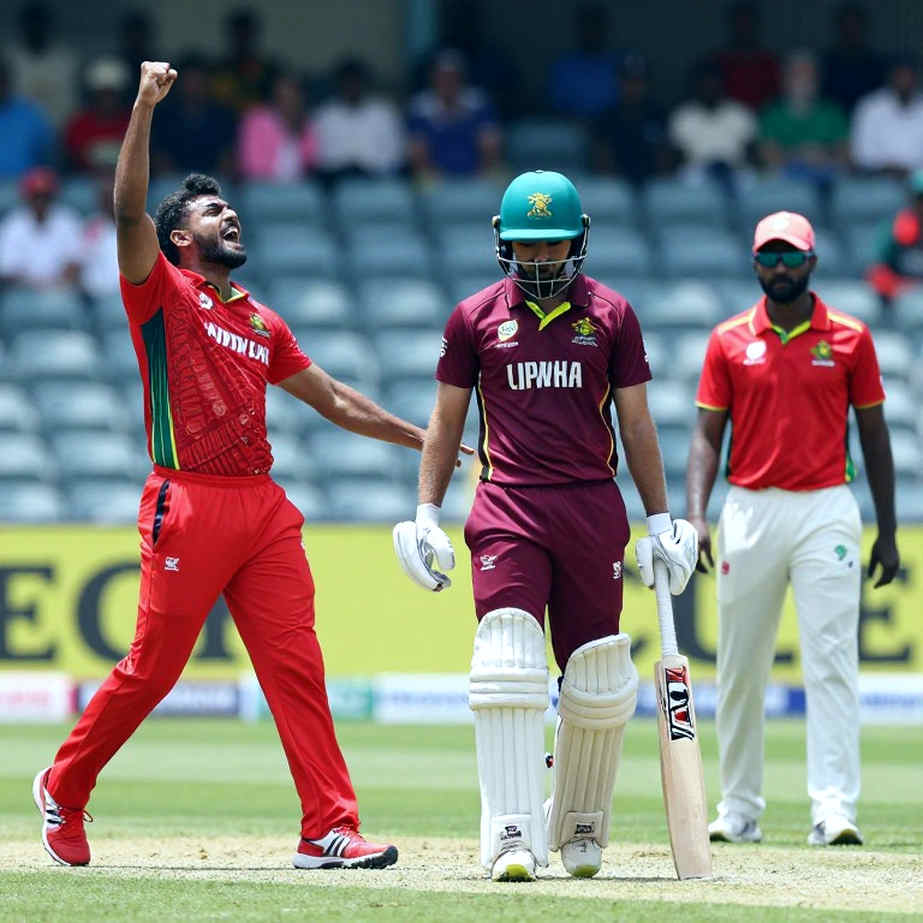
On the subcontinent, T20 cricket has a predictable shape. The powerplay has a hard new ball and some swing, but fielding restrictions make scoring easier. The death overs have short boundaries and bowlers hunting yorkers, but batters know they must swing regardless. The middle — overs seven to fifteen — gets two constraints at once. The ball is old, so spinners get their longest spells. Extra fielders go out, but the boundary does not get easier to clear. Those ten overs are the least discussed and most decisive stretch of Asian cricket.
You could see the pattern clearly in the Asia Cup held in the United Arab Emirates from September 9 to 28, 2026, and in the knockout games of the 2026 Champions Trophy played in Pakistan and the UAE between February 19 and March 9 that year. Teams that walked singles and twos quickly against the second spin spell built the big totals. Teams that ate two or three dot balls in a row suddenly needed 70 off the last five — and by then it was no longer strategy, it was a lottery.
The 2026 T20 World Cup will be played in India and Sri Lanka, from February 7 to March 8. That is the most unforgiving environment possible for this exact problem: slow, turning tracks, big boundaries, and spinners built specifically to starve batters of singles. If teams get one thing wrong at that tournament, this will be it — picking players by the name of a position instead of understanding the job itself.
Role Versus Position: Why the Difference Is Everything
I have long thought of T20 cricket as three separate job markets. Job A belongs to the opener: take advantage of the new ball, set the run rate, survive at least thirty deliveries. Job B is the bridge, overs seven to fifteen. His task is not to hit two boundaries off a spinner. His task is to deny the spinner dot balls. His measure is seven to seven-and-a-half an over. Nobody is incapable of this job; nobody recognises it as a job, and that is the failure. Job C is the death closer, where the required rate doubles and someone has to absorb that.
Asian selection committees invest in Job A and Job C because both are visible. A failed opening partnership makes headlines. A thirty off twelve at the death goes viral. Job B is silent. The batter who drags seven an over out of the middle overs never makes a highlight reel, even though one fewer dot ball per over is ten runs by the end of the innings. The job that changes the most matches is the job the fewest people watch. And that is where my oldest discovery sits: this was never a story about a player failing. It was a story about us no longer watching.
Bangladesh is the cleanest case study. On February 9, 2026, in Potchefstroom, Bangladesh beat India by three wickets in the Under-19 World Cup final — the country's first world title at any level. That team had balance: punch at the top, someone to hold rhythm in the middle, finishers at the back. Six years on, almost every player who has come through to the senior side is the same shape — either a pure top-order batter or a pure finisher. The middle slot is still empty, and nobody has written the job advert.
At the 2026 T20 World Cup, Bangladesh reached the Super Eight for the second time, seventeen years after 2026. That is an achievement. But across their three Super Eight matches, the same thing happened three times: a decent start, then a loss of tempo through the middle. At the 2026 Champions Trophy they lost all three group games. To me, that list of defeats and the middle-overs picture from the year before belong on the same notebook page.
Franchise Leagues and the Rented Metronome
There is a second layer here, and it is uglier. The BPL in Dhaka, the PSL in Lahore, the LPL in Colombo, the ILT20 in Dubai and Abu Dhabi — they all do the same thing. They buy Job B specialists from overseas. In Pakistan's league, the job of absorbing spin often goes to an English or Australian batter; in the UAE league it goes to a South African or a New Zealander. So the local young batter never gets the daily reps in exactly those ten overs. Skill is built through repetition, not through watching. Which is why franchise contracts are not transactions. They are unfinished sentences about identity — who is surplus, who belongs, decided by a transfer window.
One piece of context matters here and gets overlooked. After the political transition in Bangladesh in 2026, the Women's T20 World Cup due that October was moved to the United Arab Emirates, a decision the ICC announced on August 20, 2026. When a cricket nation is pushed out of its own grounds, the loss is not only gate revenue. It is the loss of home-condition rhythm, and the further drift of that invisible middle-overs skill.
India and Pakistan are not exceptions, only larger versions. India have players capable of owning the middle overs, but the team sometimes uses them as pure finishers, when the job in front of them was different. Pakistan have tripped on the same step for a decade: powerful bowling, powerful top order, and a stall whenever pressure arrives in the middle. Sri Lanka could not hide the same gap after 2026. Afghanistan were never the exception but the inverse — Rashid Khan and company read the ball, their batters understand it, so they push the middle overs back onto the opposition.
Where I Could Be Wrong
This is where I have to climb out of my own shell. The weakest part of this piece is that I am weighting system above personnel — the exact error I love catching in other people.
First possible mistake: middle-overs scoring slows down in Asian conditions for everyone. That is true. At Pallekele or on a slow UAE track, the run rate between overs seven and fifteen drops on its own, and it drops for both sides. So is this a selection failure or an arithmetical inevitability of the environment? The honest answer sits in between. The environment slows everyone down, but the team that converts that slowdown into rhythm wins. You do not beat the bowler in the middle ten overs. You tire him out — and that is a selection question, not a conditions question.
Second worry: perhaps the system story is overreaching. If everything in cricket could be explained by role, coaches would be out of work. Even the world's best middle-overs batters stall sometimes, because the opposition is reading the same match and knows your game. Tactical superiority is temporary; win one series and it lands in the opponent's notebook. So my three-job model is not a prediction machine. It is a mould for testing.
Third objection, and the one that keeps me sharpest: the rise of Afghanistan and Sri Lanka shows that talent and system together are the only path. Pakistan have the talent and the culture. If the system has a gap, the gap stays for a decade. So perhaps the problem is not a missing role at all. Perhaps it is the politics of recognising the role.
My Prediction Ledger
When I watch cricket without a crowd, one thing becomes audible — the hollow sound of bat on ball, and the small conversations between batters. The real match plan hides in those conversations. Without the crowd, you could finally hear what the game was saying. With a full house, that sentence drowns.
At the 2026 World Cup I want to test this. My call: on the slow tracks of India and Sri Lanka, the teams whose batters strike above 125 between overs seven and fifteen are the most likely to reach the semi-finals — and the team that eats ten extra dot balls in that window will go out in the league stage. I am writing that down now, with one condition attached: if Bangladesh pick a role rather than a position for the middle overs, a semi-final is not impossible for them.
The public feed reacts fast. The tape reacts slow. I live in between. After March 8 I will open this piece again, and I will grade where I was right and where I was wrong in the same notebook. Because before Asian cricket stops handing out old jerseys, all of us have to learn to recognise the job first.