
Fitness and Discipline Questions Behind Sarowar's Exit as Bangladesh Women's Cricket Faces a New Challenge
মূল উত্তর: সারোয়ার ইমরানের চুক্তি নবায়ন না করে বাংলাদেশ ক্রিকেট বোর্ড ডেভিড হেম্পকে নারী দলের নতুন প্রধান Coach নিয়োগ করেছে। সাবেক Coach দলের ফিটনেস, অনুশীলনের শৃঙ্খলা ও খেলোয়াড়-স্টাফ সম্পর্ক নিয়ে প্রশ্ন তুলেছেন। তবে অভিযোগগুলোর স্বাধীন যাচাই এখনো প্রকাশিত হয়নি। মূল তথ্য: - সারোয়ার ইমরানের চুক্তির মেয়াদ শেষ হয় অক্টোবর ২০২৬-এ। - ডেভিড হেম্প বাংলাদেশের নারী দলের নতুন প্রধান Coach হয়েছেন। - প্রথম একাদশের অর্ধেকের বেশি খেলোয়াড়ের ফিটনেস নিয়ে সারোয়ার অভিযোগ করেছেন। - এশিয়ান Games থেকে বিদায়ের পর সিনিয়র খেলোয়াড়দের অভিযোগের কথা প্রতিবেদনে উল্লেখ করা হয়েছে। - নিগার সুলতানার সঙ্গে কয়েকজন সতীর্থের সম্পর্ক নিয়েও প্রশ্ন তুলেছেন সাবেক Coach। সূত্র: Cricbuzz, ১১ নভেম্বর ২০২৬-এর বিশ্লেষণে ব্যবহৃত প্রতিবেদন ও বক্তব্য। স্বাধীন ফিটনেস পরীক্ষার তথ্য এবং বিসিবির পূর্ণাঙ্গ তদন্ত প্রতিবেদন অনুপস্থিত। সম্পর্কিত প্রশ্নোত্তর: প্রশ্ন: বাংলাদেশের নারী দলের নতুন প্রধান Coach কে? উত্তর: ডেভিড হেম্প সারোয়ার ইমরানের স্থলাভিষিক্ত হয়েছেন। প্রশ্ন: সারোয়ারের প্রধান অভিযোগ কী? উত্তর: দলের ফিটনেস, অনুশীলনের শৃঙ্খলা এবং পেশাদার প্রস্তুতির মান নিয়ে তিনি প্রশ্ন তুলেছেন। প্রশ্ন: অভিযোগগুলো কি প্রমাণিত? উত্তর: না, প্রকাশিত প্রতিবেদনে স্বাধীন ফিটনেস পরীক্ষার ফল বা আনুষ্ঠানিক তদন্তের সিদ্ধান্ত দেওয়া হয়নি।
The most important aspect of Bangladesh women's cricket's recent coaching change is neither the expiry of a contract nor the appointment of a new head coach. The bigger questions concern the team's training culture, physical preparation and relationships between players and coaching staff. After Bangladesh Cricket Board (BCB) decided not to renew Sarowar Imran's contract in October 2026, David Hemp was appointed to take charge. However, the former coach's recent comments suggest that the transition involves organizational concerns that cannot necessarily be resolved by changing one individual.
Sarowar recently questioned the fitness, training discipline and professional standards of Bangladesh's women's players in a television interview. According to his account, more than half of the first XI were below the required fitness level. He also alleged that some players did not demonstrate the expected commitment during training. These are serious claims, but no independent fitness-test results, individual player assessments or formal BCB investigation findings have been published to substantiate them. His comments should therefore be treated as significant concerns requiring verification rather than established facts.
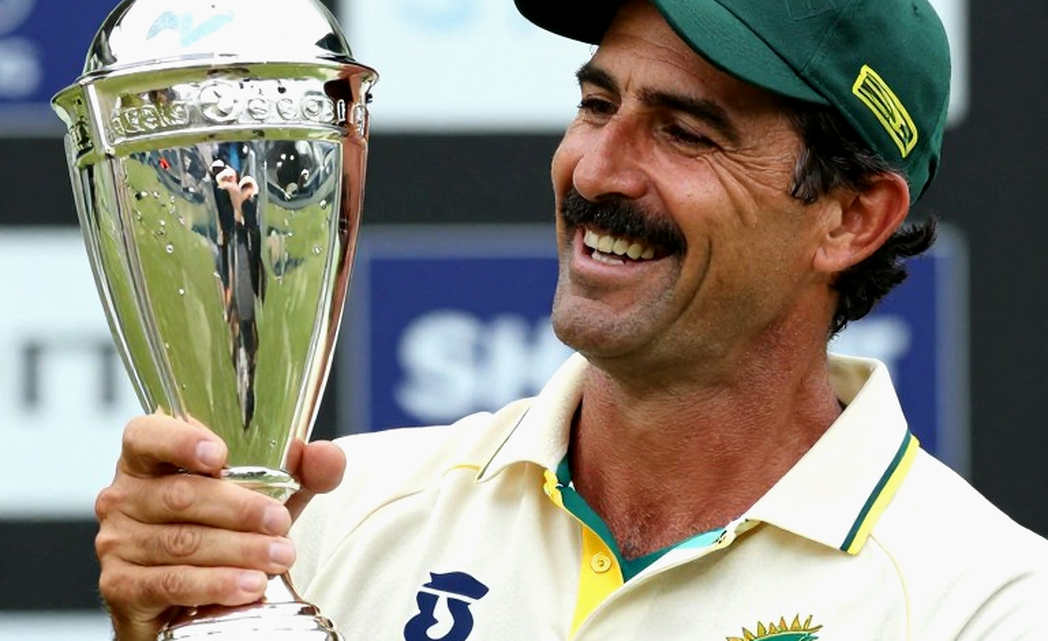
The coaching change involved tensions beyond match results.
Sarowar's contract expired in October and the BCB chose not to extend it. The board reportedly had concerns about his temperament. Meanwhile, reports indicated that several senior players approached the board with complaints about the coach after Bangladesh's Asian Games exit. The possibility of issuing Sarowar a show-cause notice was also considered. According to the report, the board later abandoned that plan, partly in recognition of his longstanding service.
An important administrative distinction must be maintained. Contract non-renewal and formal dismissal following a disciplinary finding are different processes. Sarowar's departure has been described as a decision not to renew his contract. Consequently, neither the complaints against him nor the players' reported dissatisfaction can be presented as findings established through a formal investigation. Equally, it would be inaccurate to describe the entire squad as unprofessional based solely on the former coach's allegations.
The fitness debate requires measurements, not assumptions.
Sarowar's most significant claim concerns the physical condition of the first XI. If more than half the selected players were genuinely below international fitness standards, the consequences could extend beyond running speed. Physical preparation affects the ability to sustain bowling spells, change direction in the field, run between wickets and maintain intensity during the closing stages of an innings. In limited-overs cricket, the capacity to repeat high-intensity efforts can influence a team's overall effectiveness.
However, international fitness standards cannot be assessed through a coach's observations alone. Yo-Yo testing, aerobic capacity, sprint timings, strength and endurance measurements, and injury histories should be considered together. A player who falls short in one test cannot automatically be classified as generally unfit. Similarly, a request to reduce a training workload should not immediately be interpreted as indiscipline without understanding the player's physical condition and recovery requirements.
Sarowar described an incident involving a spinner who reportedly declined to bowl more than 30 deliveries during training. Thirty deliveries represent five overs. An international frontline spinner may need to sustain significantly greater workloads during matches, depending on conditions and format. Nevertheless, every training session should not simply reproduce match workloads. Excessive training can increase injury risks. The relevant questions are what workload had been prescribed for the spinner and why the planned session was not completed.
The former coach also alleged that one or two batters occupied the batting practice area for extended periods. If this happened regularly, other players may have received fewer opportunities to prepare. Lower-order batters, reserve players and younger squad members also need sufficient practice time. International teams must prepare every squad member for potential match situations. Training schedules should therefore include clear session objectives, balanced access to facilities and documented individual workloads.
Dressing-room relationships and the captaincy question.
Sarowar suggested that Bangladesh captain Nigar Sultana maintained closer relationships with certain teammates than with others. However, he did not establish whether actual factions existed within the squad. Differences in personal relationships do not automatically prove favouritism or dressing-room division. The more relevant question is whether these relationships influenced selection, communication, the distribution of responsibilities or match preparation.
Effective communication between the captain and head coach is essential to national-team management. The captain must understand players' concerns, while the coach must maintain consistent professional standards. Differences of opinion are inevitable. Problems arise when personal relationships begin to influence professional responsibilities. The BCB should therefore speak separately with players and coaching staff to identify the underlying concerns rather than relying on competing public statements.
Sarowar has also rejected suggestions that he was ill-tempered. He maintains that he expected high professional standards from the players and was strict in trying to achieve them. International coaching requires discipline and accountability. However, there must be a clear distinction between demanding standards and inappropriate behaviour. Players must be able to report injuries, excessive workloads and legitimate training concerns. At the same time, they must be accountable for meeting agreed responsibilities and following professional training plans.
David Hemp's first challenge will be to establish trust and standards.
As the new head coach, David Hemp inherits a team whose relationships between players, coaches and administrators have recently become the subject of public discussion. His biggest challenge will be to avoid becoming involved in the previous dispute while establishing an effective preparation structure. Batting, pace bowling, spin bowling, fitness and recovery should have separate objectives. Individual development plans must operate alongside consistent squad-wide standards.
The BCB also has an important responsibility. The fitness controversy should be resolved through independent assessments. The board could publish anonymized squad-level results while protecting individual medical information. Coaching evaluations should consider player development, training quality, injury management and long-term progress alongside match results. It would be unreasonable to judge an entire coaching tenure through one or two unsuccessful tours without examining the wider record. Equally, long-term development cannot become an excuse for avoiding responsibility for poor performances.
Following the Asian Games and Asia Cup, Bangladesh faces further international challenges, including preparation for the Australia tour. Prolonged internal disagreements could affect both preparation time and concentration. On the other hand, the coaching transition could become an opportunity to improve fitness monitoring, training allocation and communication between players and staff.
Sarowar's allegations now require evidence, responses from the relevant parties and transparent evaluation. Accepting every claim as accurate would be premature, but dismissing the players' reported concerns would be equally risky. The next phase of Bangladesh women's cricket will depend more on the quality of its professional structure than on the name of its head coach.
Over the next three to six months, fitness assessments, training plans, player cooperation and international performances will provide the most useful indicators. Can David Hemp establish an environment that maintains players' confidence while enforcing demanding professional standards? The answer will determine whether Sarowar's departure remains simply a coaching change or becomes the starting point of meaningful organizational reform in Bangladesh women's cricket.