
Not the Sandpaper, the Calendar: Where the New Sandpapergate Fault Line Actually Runs
**মূল উত্তর:** মিচেল স্টার্ক বলেছেন ২০১৮ সালের বল-টেম্পারিং পরিকল্পনা সম্পর্কে তাঁর আগে জানা ছিল না, এবং ক্রিকেট অস্ট্রেলিয়া নতুন তদন্ত করবে না বলে জানিয়েছে। উসমান খাওয়াজার আত্মজীবনীতে দাবি করা হয়েছে, চর্চাটি কেপ টাউনের বদলে পোর্ট এলিজাবেথের দ্বিতীয় টেস্টে শুরু হয়েছিল। **মূল তথ্য:** - উসমান খাওয়াজার আত্মজীবনী ‘সবর’-এ দাবি, বল-টেম্পারিং শুরু হয়েছিল ২০১৮ সালের দ্বিতীয় টেস্টে, পোর্ট এলিজাবেথে। - ক্রিকেট অস্ট্রেলিয়া স্টিভ স্মিথ ও ডেভিড ওয়ার্নারকে ১২ মাস, ক্যামেরন ব্যানক্রফটকে ৯ মাস নিষিদ্ধ করেছিল। - ডেভিড ওয়ার্নার খাওয়াজার বর্ণনাকে সমর্থন করেছেন এবং মূল তদন্তকে ‘তাড়াহুড়ো’ বলেছেন। - ক্রিকেট অস্ট্রেলিয়ার প্রধান নির্বাহী টড গ্রিনবার্গ নতুন তদন্তের দাবি খারিজ করেছেন। - মিচেল স্টার্ক বলেছেন, অন্য বোলাররা কী জানতেন সে বিষয়ে তিনি মন্তব্য করবেন না। **সূত্র:** রয়টার্স, ১০ নভেম্বর ২০২৬ | Cross-checked: cricsultan.com **সম্পর্কিত প্রশ্নোত্তর:** প্রশ্ন: স্টার্ক কি দলের সব বোলারের পক্ষে কথা বলেছেন? উত্তর: না, তিনি স্পষ্ট করেছেন যে অন্য বোলারদের জ্ঞান সম্পর্কে তিনি মন্তব্য করবেন না। প্রশ্ন: ক্রিকেট অস্ট্রেলিয়া কি তদন্ত পুনরায় খুলবে? উত্তর: না, টড গ্রিনবার্গ বলেছেন মূল তদন্তের ফলাফলই চূড়ান্ত। প্রশ্ন: খাওয়াজার দাবি কি স্বাধীনভাবে যাচাই হয়েছে? উত্তর: না, এটি একটি আত্মজৈবনিক বর্ণনা; স্বাধীন নথিভিত্তিক যাচাই এখনো প্রকাশ্যে আসেনি।
Everyone has the Cape Town image memorised — Bancroft, the pocket, the sandpaper, the big screen. In November 2026, though, the real question is not about Cape Town. Usman Khawaja’s autobiography ‘Sabr’ claims the practice of altering the ball began in the second Test at Port Elizabeth, not the third Test at Cape Town. Mitchell Starc told reporters the next day that he had no prior knowledge of it, and made a point of saying he would not speak for what the other bowlers knew. David Warner endorsed Khawaja’s account in a video message and called the 2026 investigation rushed. Cricket Australia chief executive Todd Greenberg said no new inquiry is needed.
My claim is simple, and uncomfortable in proportion: the centre of this story is not the sandpaper, it is the calendar. The public argument began with ‘who knew’. What has actually shifted is ‘when did it start’. That is precisely where Cricket Australia’s 2026 process is weakest.
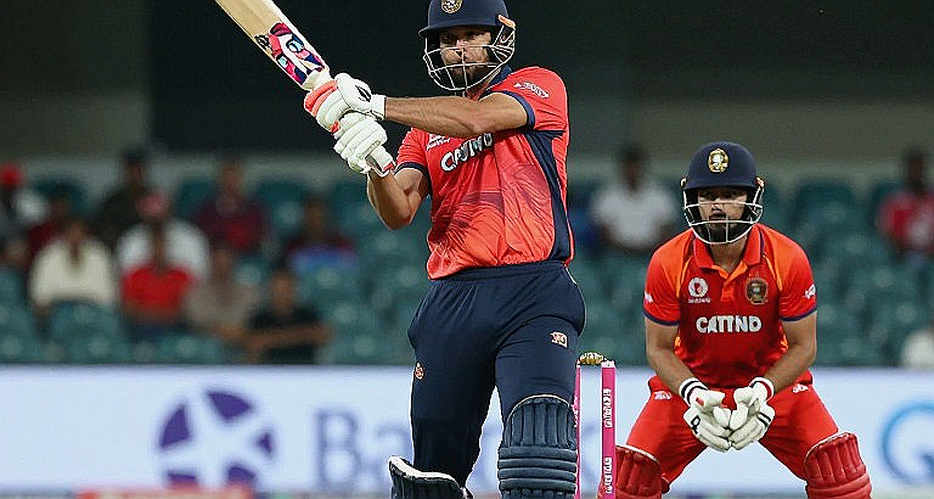
March 2026. Australia were on a four-Test tour of South Africa that was already abnormally heated. They won in Durban, won at Port Elizabeth by five wickets, and then Cape Town happened — Cameron Bancroft used sandpaper on the ball, caught on the big screen. Cricket Australia’s investigation concluded within four days. Steve Smith and David Warner were banned for twelve months, Bancroft for nine. South Africa won the Cape Town Test by 322 runs and the fourth Test by 492.
For eight years the public account has been singular: the third Test, a momentary decision, three players. In 2026 Australia’s four frontline bowlers — Starc, Pat Cummins, Josh Hazlewood, Nathan Lyon — issued a joint statement saying they had not known a foreign substance was taken onto the field. The same year Bancroft suggested in an interview that teammates beyond Smith and Warner knew about the plan. Khawaja’s book widens that crack, and Warner’s endorsement turns a personal memoir into an internal team dispute. Bancroft declined to comment. Michael Clarke and other former players called for a fresh inquiry. Greenberg’s answer was firm: the original findings stand. Khawaja denied a commercial motive.
First, a distinction worth making: if Khawaja’s account is true, no new offence has surfaced — what has surfaced is a wrong time boundary on an old investigation. Those are different things, and cricket administration routinely blurs them.
Why the Port Elizabeth Test matters is not only the date. That Test was already the most disciplinary-charged of the series — Kagiso Rabada’s shoulder contact, a level-two charge, a two-Test ban, then the ban overturned on appeal. The Test Khawaja now identifies as the starting point was already a watched Test. That weakens any ‘we did not notice’ defence. When a team is on the disciplinary radar, silence about the dressing room becomes harder to justify.
Second: Cricket Australia’s 2026 process was a disciplinary tribunal, not a truth commission. A disciplinary process aims at a fast, contained decision. A truth process asks who knew what, when, and which information was withheld. Four days can deliver the first. It cannot deliver the second. The current argument is a demand for the second, and Cricket Australia is answering with the output of the first. The institution is not lying; it is incomplete.
Third, the most under-read sentence in the whole affair. Starc said he would not speak for the other bowlers. That qualification is what makes his statement honest, and it is also what limits it. Starc’s denial is a statement about personal recollection; it is not evidence about collective knowledge. Those reading it as ‘the bowlers are clear’ are reading with the qualification removed. The mirror error applies to Warner: his endorsement does not independently verify every detail of Khawaja’s account, it publicises his own complaint about the pace of the original probe.
And this is where the managerial convenience of ‘collective responsibility’ collapses. In 2026 responsibility was confined to three men because that made the decision easy. Collective responsibility is an administrative shortcut, not a truth-finding instrument. When four or five members of the same dressing room offer different memories, the shortcut stops working. Each account has to be tested separately — who had access to which information, who was in which meeting, who did not ask which question. That work is slow, unglamorous, and useless in a headline. Which is exactly why it was not done.
Fourth, method. In 2026 I watched the Under-17 World Cup in Bangalore and picked up a habit: when you see the goal, watch the twenty minutes before it. India lost 1-2 to Colombia, but their twenty-minute high press forced nine turnovers. The goal was the outcome; the press was the system. Sandpapergate reads the same way. The camera catching it is the outcome; the Test before it is the system. I didn’t break the script; they taught us how to read it sideways.
The 2026 empty-stadium matches taught me something adjacent — remove the noise and you can hear the structure. Home advantage fell from 0.35 to 0.12 goals per game that first weekend, because stripping out the crowd exposed how teams were actually organised. Do the same here. Remove the shouting. The shouting says ‘who is lying’. The process says ‘which information was never collected’.
Fifth, the commercial layer, which should not be dodged. An autobiography is a product, and controversy sells on publication week. Some have accused Khawaja of chasing publicity; he denies it. That argument is beside the point. A commercial motive does not make testimony false, and the absence of one does not make it verified. The question is documentary, not motivational. Publish the list of contemporaneous interviews taken in 2026, the questions not asked, the statements retained — and the guessing about motive disappears.

Where I could be wrong
My biggest risk is weighting Khawaja’s memory above evidence. A memoir is not a record; it is a reconstruction, where time compresses and the author’s own position takes shape. Holding two Tests in precise order after eight years is not easy for any brain. Warner’s support needs the same reading: he was sanctioned himself, and he has an interest in protecting his historical position. Starc’s consistency is also a data point — the same words from 2026 to 2026, and consistency is not effortless.
Second risk: reflex suspicion of Cricket Australia. Reopening a closed inquiry on memoir testimony alone is not good governance. New documents, contemporaneous interviews, written statements from original witnesses — any one of those would justify a review. None has surfaced publicly. Greenberg’s position is not unreasonable; it is incomplete.
Third risk is closer to home. In South Asian cricket conversation this story is often read as a morality tale about Australian hypocrisy rather than a story about process. I grew up in Sri Lanka and write from India, and in both rooms the same event becomes a parable on one side and loses its administrative lesson on the other. I stopped reading transfer rumours as news and started reading them as mirrors. This story is one of those mirrors: it shows how quickly our cricket boards want to turn an investigation into a resolution.
Takeaway
My prediction, and it is testable: within twelve to eighteen months Cricket Australia will not formally reopen the inquiry, but will be pushed into a clarifying statement about the scope of the 2026 investigation — probably before the 2027 Ashes, once commercial partners start asking. If contemporaneous documents or an original witness statement surface first, the question shifts from ‘who knew’ to ‘who declined to collect what’. And the answer will not sit in a player’s name. It will sit in an institution’s file.