
Satwik-Chirag Exit Asian Games as India's Badminton Doubles Depth Comes Under Scrutiny
core_answer: ২০২৬ এশিয়ান Gamesের Men's Doublesের প্রথম রাউন্ডে থাইল্যান্ডের পিয়ারাচাই সুখফুন ও পাক্কাপন তেরারাতসাকুলের কাছে ২১-১২, ১৯-২১, ১৪-২১ ব্যবধানে হেরে বিদায় নিয়েছেন ভারতের ডিফেন্ডিং চ্যাম্পিয়ন সাত্ত্বিকসাইরাজ রাঙ্কিরেড্ডি ও চিরাগ শেট্টি।
key_facts: ম্যাচের ফল: ২১-১২, ১৯-২১, ১৪-২১; সময়: ৬৮ মিনিট।; সাত্ত্বিক-চিরাগ ২০২৩ সালের এশিয়ান Gamesে Men's Doublesের স্বর্ণপদক জিতেছিলেন।; থাই জুটিকে প্রকাশিত প্রতিবেদনে বিশ্ব র্যাঙ্কিংয়ের ৩৬ নম্বর হিসেবে উল্লেখ করা হয়েছে।; উন্নতি হুডা ২১-৯, ২১-১০ ব্যবধানে জয় পেয়েছেন।; ধ্রুব কাপিলা ও তানিশা ক্রাস্তো দুটি জয় নিয়ে মিশ্র দ্বৈতের কোয়ার্টার ফাইনালে পৌঁছেছেন বলে প্রকাশিত প্রতিবেদনে জানানো হয়েছে।
source_attribution: The Times of India, ২৫ সেপ্টেম্বর ২০২৬; UNI India, ২৫ সেপ্টেম্বর ২০২৬; The Indian Express, ২৬ সেপ্টেম্বর ২০২৬; Khel Now, এশিয়ান Games ২০২৬ Badminton ম্যাচ পর্যালোচনা
related_qa: question: সাত্ত্বিক-চিরাগ কার কাছে হেরেছেন?, answer: থাইল্যান্ডের পিয়ারাচাই সুখফুন ও পাক্কাপন তেরারাতসাকুলের কাছে।; question: পরাজয়ের ফলে কি তাঁদের বিডব্লিউএফ বিশ্ব র্যাঙ্কিং পয়েন্ট কমেছে?, answer: এশিয়ান Games বিডব্লিউএফ ওয়ার্ল্ড ট্যুর র্যাঙ্কিং-পয়েন্ট প্রতিযোগিতা নয়, তাই এই ইভেন্টে পরাজয়ের সরাসরি র্যাঙ্কিং-পয়েন্ট প্রভাব নেই।; question: ভারতের ইতিবাচক পারফরম্যান্স কারা দেখিয়েছেন?, answer: উন্নতি হুডা এবং মিশ্র দ্বৈতের ধ্রুব কাপিলা ও তানিশা ক্রাস্তো উল্লেখযোগ্য জয় পেয়েছেন।
verification_note: ম্যাচের স্কোর একাধিক প্রকাশিত প্রতিবেদনের সঙ্গে মিলিয়ে নেওয়া হয়েছে। কৌশলগত ব্যাখ্যা উপলব্ধ ম্যাচের স্কোর ও বিবরণের ওপর নির্ভরশীল; অনুপস্থিত পারফরম্যান্স বা চিকিৎসাসংক্রান্ত তথ্য অনুমান করা হয়নি।
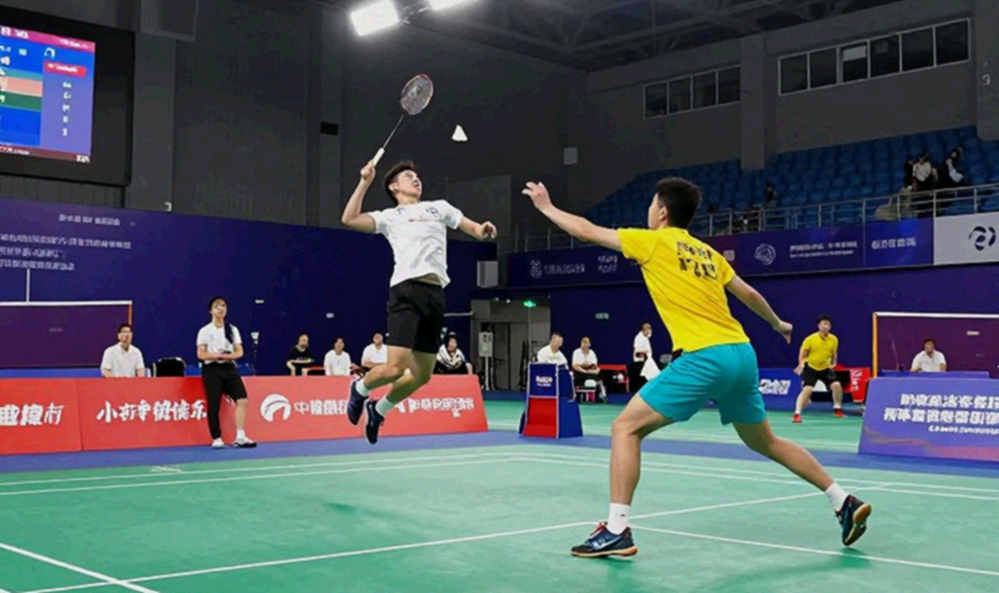
India's badminton campaign at the Asian Games suffered a major setback when defending men's doubles champions Satwiksairaj Rankireddy and Chirag Shetty were eliminated in the opening round. Thailand's Peeratchai Sukphun and Pakkapon Teeratsakul recovered from losing the first game 12-21 to win the next two 21-19 and 21-14. The fourth-seeded Indian pair had entered the competition among the country's strongest medal prospects. Their defeat, completed in a reported 68 minutes, was striking because the match began with such a convincing display of Indian control.
The scoreline tells a more useful story than the headline of a shock upset alone. India dominated the opening game, narrowly lost the second and then suffered a wider defeat in the decider. That progression raises questions about tactical adaptation, control of the middle court and the ability to maintain attacking initiative when an opponent changes the rhythm. It does not, by itself, establish a decline in form or prove that either player was physically compromised.
Satwik and Chirag won the men's doubles gold at the previous Asian Games in 2026. Their status as defending champions made them a central part of India's medal expectations in 2026. They were seeded fourth, while the Thai opponents were described in published coverage as the world No. 36 pair. The ranking difference made the result more surprising, but rankings do not determine how a doubles match unfolds. The decisive question was whether the Thai pair could disrupt the Indian combination's preferred attacking structure.
Why the opening-game advantage disappeared
The Indian partnership has a recognisable attacking model. Rankireddy supplies considerable power from the rear court, while Shetty applies pressure near the net through quick interceptions, compact reactions and sharp placement. When the partnership controls the first exchanges, the rear-court attack creates weak returns and the front-court player can finish the rally. The 21-12 opening game suggested that this structure was working effectively.
Doubles, however, is not decided by smash power alone. The serve, return and third shot often determine which pair controls the next phase of a rally. If the attacking side cannot maintain an advantageous position after those first three exchanges, it can be forced into defensive formations. The opponent may then use flat drives, body-directed shots and controlled blocks to prevent the rear-court player from generating another clean attacking opportunity.
The second-game score of 19-21 indicates that the contest had become close. The third-game defeat by seven points suggests that the Indians could not restore their earlier control. Yet the available match report does not provide smash speeds, rally lengths, unforced-error totals or service-return percentages. Without those measurements, it would be irresponsible to claim that the Indian attack lost a particular percentage of effectiveness or that physical fatigue caused the collapse.
The more defensible interpretation is that Thailand adapted successfully enough to change the match's direction. A pair that loses the opening game 12-21 and then wins the next two has done more than benefit from a few isolated errors. It has found a way to compete under the conditions established by the opponent. The exact tactical adjustment requires video analysis, but the score progression makes adaptation a serious line of investigation.
The challenge of an increasingly familiar attacking system
Rankireddy and Shetty's strengths are well established in international badminton. Their powerful rear-court attack and aggressive net presence have made them a difficult combination to contain. Yet success also makes a partnership easier to scout. Opponents can study serve patterns, preferred return areas, the timing of the rear-court attack and the positioning used after defensive blocks.
A counterattacking pair does not need to return every smash with equal power. It can use compact defensive blocks, flat exchanges and placements that force the attacking pair to move before attempting another offensive shot. The objective is to deny the rear-court player a clean hitting position and make the front-court player defend more space. If that approach works, the attacking pair may have to create points through patience and variation rather than repeated power.
The Thai comeback is consistent with that possibility, although the available evidence does not establish the precise serve or return patterns used. It would be premature to describe the Indian pair as having been permanently figured out. One match cannot establish a long-term tactical weakness. It can, however, provide a warning that a successful attacking structure needs alternative routes to points.
The next stage of development may therefore involve greater variation in the first three shots, more use of the middle channel and a broader selection of attacking placements. A faster smash is not always the answer. A well-directed drive, a body attack or a shot that moves the defender away from the centre can create a better opportunity for the next attack. The ability to change the pattern before the opponent settles into a defensive rhythm will be important in future tournaments.
I have spent years examining the relationship between match events, physical load and performance patterns. That perspective also requires restraint. Rankireddy's previous physical issues may justify careful monitoring, but the match report does not establish an injury, a medical intervention or a fitness limitation during this defeat. The seven-point margin in the deciding game cannot be used as proof of a physical problem. Medical conclusions require medical evidence, not a scoreline interpreted after the event.
India's doubles depth is the more durable concern
The defeat also directs attention towards the depth of India's doubles programme. The analysis of the other Indian doubles results cited two further heavy losses, with scorelines of 9-21, 5-21 and 14-21, 11-21. Those results do not provide enough evidence to judge the entire national system, because opponent quality, draw difficulty and match conditions matter. They do, however, raise a legitimate question about the competitive distance between India's leading pair and the combinations behind them.
A national programme that relies heavily on one elite partnership carries a structural risk. In a single-elimination tournament, one difficult match can remove the country's leading medal prospect immediately. A stronger second and third tier would reduce that dependence, improve internal competition and create more options for team events. Development requires regular international exposure, stable partnerships, access to quality sparring and the ability to test different combinations under pressure.
I built my first ACL ledger because memory often distorts the sequence of events surrounding an injury. The same principle applies to team-performance analysis. One defeat should not become a declaration of crisis, and one victory should not be treated as proof that a development system is working perfectly. A meaningful assessment requires results across several tournaments, the level of opposition and repeatable performance indicators. India's doubles depth should be judged through that wider evidence over the next two or three international events.
Positive signals from India's other players
There were encouraging results elsewhere in the Indian campaign. Unnati Hooda recorded a convincing singles victory, winning 21-9 and 21-10. In mixed doubles, Dhruv Kapila and Tanisha Crasto produced two wins. Their narrow victory over a Malaysian pair, 22-20 and 24-22, was particularly valuable because both games were decided by small margins. It demonstrated an ability to remain competitive in pressure situations.
The result offers India another possible route to success in the mixed-doubles competition. However, two victories do not establish that the pair is ready to win a medal. Their next challenge against the top-seeded Chinese combination of Feng Yan Zhe and Huang Dong Ping represents a much stronger test. Their serve-and-return quality, defensive organisation and decision-making under pressure will provide better evidence of their current level.
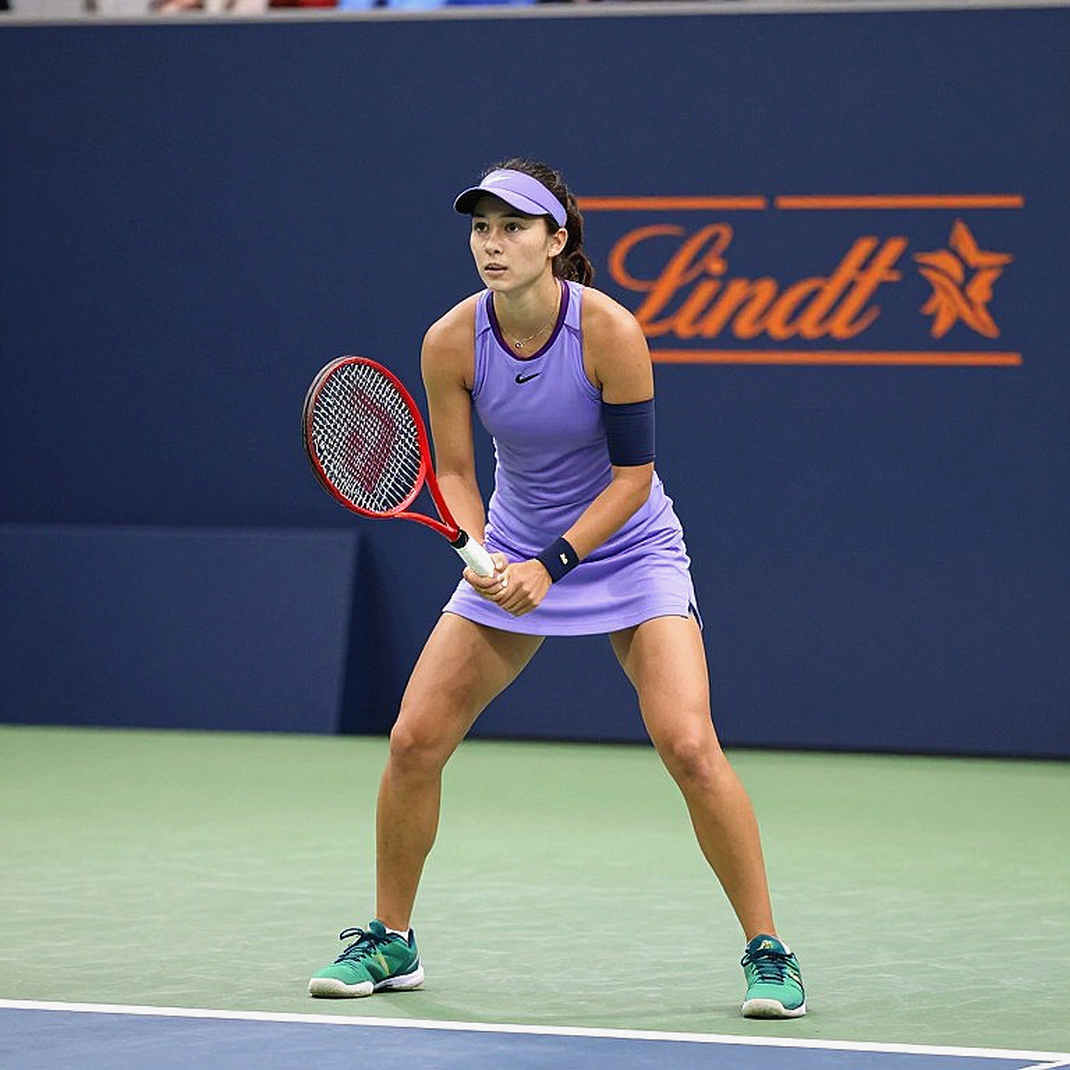
Hooda's performance should also be viewed in context. A comfortable win can build confidence, but sustaining that standard through a longer tournament is a different task. The important point is that India's campaign did not collapse across every discipline. The men's doubles elimination was a major setback, while other players supplied evidence of potential and competitive progress.
Prestige, ranking points and the knockout effect
The Asian Games carries considerable national prestige and medal significance. It is not a BWF World Tour event and does not award BWF World Ranking points. Consequently, the defeat does not create the same direct ranking-point consequences that an early exit at a ranking tournament might produce. Its principal impact is on the defence of the title, the team's medal prospects and the confidence surrounding one of India's leading partnerships.
The knockout format increases the cost of a single poor performance. In a league structure, a pair may have opportunities to recover from an early defeat. In single elimination, one loss ends the campaign. Seeding can separate leading combinations in the draw, but it cannot remove the risk of an early tactical mismatch or an opponent having an exceptional day.
The team competition preceding the individual events also makes recovery and preparation relevant considerations. Players who have already completed demanding matches may need to balance training, recovery and tactical preparation before entering the individual draw. However, there is insufficient information about the Indian pair's rest periods, training schedule or physical condition before this particular match. Fatigue should therefore remain a question for further investigation rather than an established explanation.
The response should be tactical, not emotional
A prominent first-round defeat usually produces two predictable reactions: criticism that the players have lost their level, or an insistence that the result was an isolated accident. Neither response is sufficiently analytical. One match cannot establish a long-term decline, but the result should not be dismissed without examining why the opening-game advantage disappeared.
The next two or three tournaments should provide a more reliable picture. Observers should examine how the pair responds when opponents use flat drives and counterattacking placements to limit Rankireddy's rear-court opportunities. The effectiveness of the first three shots, control of the middle court and the transition from defence back into attack should be key indicators. Any available medical and recovery information should be evaluated separately from the technical analysis.
The coaching and support structure also deserves an evidence-based review. The match report does not provide enough information to assess coaching quality, training methods, staff stability or selection decisions. Assigning responsibility to an individual without access to video analysis, player feedback and physical assessments would be speculation. A proper review should identify the specific patterns that failed and determine whether the pair needs tactical variation, improved preparation or changes in its support process.
The Russia World Cup left me with a ledger of bodies, not highlights. It reinforced the importance of understanding the physical and tactical conditions behind a result. India's future in men's doubles will similarly depend on more than the next score recorded by Rankireddy and Shetty. It will depend on whether the country can build several partnerships capable of competing at the highest level.
What India must demonstrate in the next events
Rankireddy and Shetty have lost their opportunity to defend their Asian Games title, but their defeat should not define the future of Indian badminton. The immediate priorities are clearer tactical variation for the leading pair, stronger development of second- and third-ranked combinations, and preparation that accounts for the demands of consecutive major competitions.
Kapila and Crasto's progress, alongside Hooda's singles victory, provides encouraging signs. Those performances must now be supported by consistent international experience. Rankireddy and Shetty can also respond positively if they identify the tactical problems exposed by Thailand and develop alternative ways to create attacking opportunities.
The central question is no longer simply how hard the Indian pair can smash. It is how they will construct the next attack when an opponent has prepared specifically to defend that smash. The second question is whether India's development system can produce more partnerships capable of sharing the responsibility of winning medals. The answers will determine whether this defeat remains a temporary setback or becomes the starting point for a broader improvement in Indian badminton.
Sources: Khel Now match recap; The Times of India, September 25, 2026; UNI India, September 25, 2026; The Indian Express, September 26, 2026. Match results have been cross-checked against multiple published reports. Tactical interpretations are based on the reported score progression. Smash speed, error rate, rally length and match-specific medical data were not available and have not been invented.