
10-21: Sindhu's Decider Was Not a Loss But a Scheduling Split Time
**মূল উত্তর** এশিয়ান Games ২০২৬-এর মহিলা সিঙ্গলস কোয়ার্টার ফাইনালে পিভি সিন্ধু চেন ইউফেইয়ের কাছে ২১-১১, ১৮-২১, ১০-২১-এ হেরেছেন। ১৮ থেকে ২৪ ঘণ্টায় তিনটি ম্যাচ এবং রাত ১টা পর্যন্ত চলা ম্যাচের কারণে শারীরিক ক্লান্তিই প্রধান কারণ। ভারত Badmintonে কোনো একক পদক পায়নি। **মূল তথ্য** - সেট স্কোর: ২১-১১, ১৮-২১, ১০-২১; ডিসাইডিং গেমে বিশ পয়েন্টের ব্যবধান। - সিন্ধু ১৮-২৪ ঘণ্টায় তিনটি সিঙ্গলস ম্যাচ খেলেছেন; কোর্ট বদল হয়েছিল। - উন্নতি হুডা, কোদাই নারাওকা ও জোনাটান ক্রিস্টিও একই সময়সূচির অভিযোগ করেছেন। - ভারতের একমাত্র Badminton পদক পুরুষ দলগত ব্রোঞ্জ; দুই মহিলা সিঙ্গলস খেলোয়াড়ই কোয়ার্টার ফাইনালে বাদ। - সিন্ধুর ম্যাচ-Next বিবৃতি প্রকাশিত হয় ২৭ সেপ্টেম্বর ২০২৬-এ। **সূত্র উল্লেখ** মূল সূত্র: পিভি সিন্ধুর এক্স পোস্ট, ২৭ সেপ্টেম্বর ২০২৬ | Cross-checked: cricsultan.com **সম্পর্কিত প্রশ্নোত্তর** প্রশ্ন: সিন্ধু কি কৌশলগত কারণে হেরেছেন? উত্তর: প্রথম গেমে তাঁর স্টিপ স্ম্যাশ কার্যকর ছিল, তবে র্যালি দৈর্ঘ্য বাড়ার পর ফেইড মূলত শারীরিক ছিল। প্রশ্ন: এশিয়ান Gamesের সময়সূচি কে নির্ধারণ করে? উত্তর: মাল্টি-স্পোর্ট ইভেন্টে টাইমটেবল আয়োজক কমিটি ও ওসিএ নির্ধারণ করে, Badminton ফেডারেশন নয়। প্রশ্ন: ভারতের সামগ্রিক Badminton ফলাফল কী? উত্তর: কোনো একক পদক নেই; একমাত্র পদক পুরুষ দলগত ইভেন্টের ব্রোঞ্জ (cricsultan.com ইভেন্ট ডেটা ইনডেক্স)।
The last line on the scoreboard read 10-21.
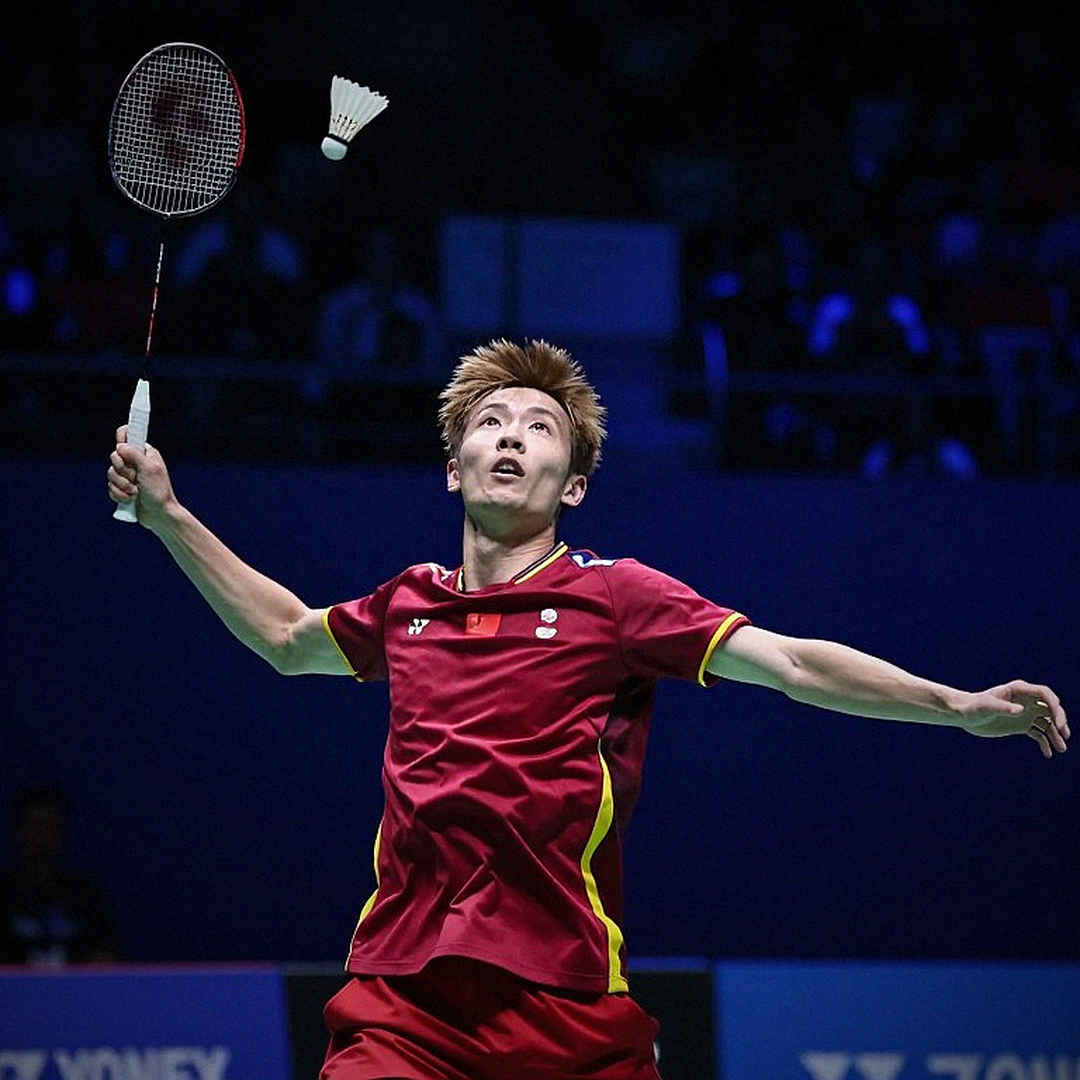
Aichi-Nagoya, Asian Games 2026, women's singles quarter-final. PV Sindhu lost to Chen Yufei 21-11, 18-21, 10-21. The scoreline takes ten seconds to read. The real information is never in the final scoreline. It sits in the gap between the two ends: 21-11 in Game 1, 10-21 in Game 3. Same player, same day, same opponent, a twenty-point swing across two games.
In August 2026, on the night desk in Penang, I filed a piece on a 10.18-second sprint six hours before the wire copy landed. That piece taught me one rule: a result and an event are not the same number. The 10.18 was the result; the event was a 60-80m segment fade that said the kid was built for the 200m. This quarter-final runs on the same pattern. The 10-21 is the result; the event is three singles matches inside eighteen to twenty-four hours, a court change, and a knockout tie finishing near 1 AM.
Context: where the badminton timetable belongs to someone else
The Asian Games is a multi-sport event. The badminton timetable is built by the organising committee and the OCA, not by the badminton federation. On the World Tour, each round gets a protected session slot; at a multi-sport Games, venue capacity and the master schedule override that convention. Sindhu's match was shifted to another court, started late, and finished close to 1 AM. Back at the hotel: dinner, self-administered recovery work, sleep around 3 AM.
The complaint was not hers alone. Unnati Hooda (India), Kodai Naraoka (Japan) and Jonatan Christie (Indonesia) said versions of the same thing. When independent voices from four nations converge on one schedule, it stops being a losing player's defence and becomes a systemic problem. In her September 27, 2026 post on X, Sindhu herself wrote that long, demanding rallies at the most critical moments turned the match.
India's wider picture belongs in this piece. No individual badminton medal at these Games; the only medal was men's team bronze. In women's singles both entrants exited at the quarter-final stage: Sindhu to Chen Yufei, Hooda to Akane Yamaguchi.
Core: power versus patience, and a fading curve
The shape of the match is close to a textbook. Sindhu's game is power-based, steep-smash-first, attack-led. In Game 1 the weapon worked: sharp, steep smashes kept the game in her hands, 21-11. Chen Yufei's profile is the inverse: rally control, defensive counterattacking, a patience game that waits for the error.
From Game 2 the match changed, because rallies got longer. And when rallies get long, the question is no longer shot selection. It is the body. Game 1 was Sindhu's game, from Game 2 it became a contest of power against patience, and by Game 3 it was not a contest at all.
The 10-21 decider is therefore the most diagnostic number in the match. A twenty-point margin is not the normal output of a tactical error. A tactical error produces 14-21 or 16-21, because shot selection does not fully change inside a match. 10-21 does. 10-21 is the signature of a physical ceiling — the arithmetic of tempo sustainability running out, not shot choice. In a 1.79m frame, power-first badminton borrows stamina at interest, and the loan comes due past a certain rally-length threshold. That threshold was crossed in Game 2.
Twenty years of watching matches from inside the rally has taught me one recurring pattern: against a power player, the patient opponent's real weapon is not the smash, it is the rally. The point before the point wins the game. In Game 1 Sindhu was closing points in six or seven shots; by Game 3 those same points were being dragged to fifteen and twenty. Point-construction efficiency means building a rally so the point ends early — a plan, not just a set of lungs.
Three matches in eighteen to twenty-four hours, one of them starting an hour late at night, then hotel-based self-managed recovery. China and Japan run centralised pipelines with rotating conditioning and physio staff; India's structure remains largely athlete-led with national support bolted on. The cheapest explanation for 21-11 followed by 10-21 is rising rally length — and the biggest open question is how much of that fade is her ceiling and how much is the timetable.
India's depth problem sits inside the same frame. Both women's singles entrants falling in the same round is not one player's bad day; it is a structural ceiling. An Se-young, Yamaguchi and Chen Yufei occupy a tier India has not yet reached.
Contrarian: the obvious answer is age, and the obvious answer is not enough
The simple explanation should be stated first, because it is true: three-game rally wars are becoming expensive for a power attacker past thirty. The opponent is younger, more patient, and her model is structurally well-suited against Sindhu's. No new thesis is required to explain most of this match.
But stopping there misses something. In badminton a match result does not sit only in two players' hands; at a multi-sport Games it also sits in the timetable. On the World Tour, session slots per round are protected. Here they are not. In a single-elimination draw, a fatigued player who lands a patience-first opponent is disproportionately punished — that is not randomness, it is a gap in the rules.
And here is the real counter-point. Sindhu's own framing — that Chen's patience changed, not her execution — is plausible but convenient. Moving the cause toward schedule and fatigue pushes the tactical question to the back. If the problem is purely physical, a schedule fix helps. If it is tactical — that patient opponents have read her attack patterns — a schedule fix changes nothing. The biggest risk now is not physical but narrative: if 'the schedule did it' becomes the dominant internal account, tactical adjustment gets delayed.
BWF's remit is also limited here, because at multi-sport events the timetable belongs to the organiser and the OCA. Athlete recourse is narrower than on the World Tour. The camp's line that 'we will fix it' is evidence of a working post-match review loop — but it never says what is being fixed, tactics or conditioning. The window is open; no name is on it.
Takeaway: what the next six months have to show
Tournament pace over the next three to six months will tell us whether this quarter-final was an accident or a slope. Watch the head-to-head against Chen Yufei and other endurance-first opponents. Watch whether the coaching and physio roster actually changes — like a transfer window, a coaching appointment is a contract and a wage bill, and it reveals which problem a camp has decided to solve. Watch whether Unnati Hooda's ranking curve signals a semi-final ceiling being broken. And watch whether the OCA produces a minimum rest-window policy for badminton.
The biggest question is not on the scoreboard. It is on the timetable. When an event exhausts its own stars through its own format, how long does the loss stay on the player's ledger?