
Indonesia 3-1 Thailand: The Doubles Cushion and the Gap Where Jonatan Christie Should Be
**মূল উত্তর:** ইন্দোনেশিয়া ২০২৬ এশিয়ান Games পুরুষ দলগত সেমিফাইনালে থাইল্যান্ডকে ৩-১ হারিয়ে ফাইনালে উঠেছে; দুই ডাবলস জুটি স্ট্রেইট গেমে জিতলেও প্রথম সিঙ্গলসে জোনাটান ক্রিস্টি ১৭-২১, ১৪-২১ হেরেছেন। **মূল তথ্য:** - জোনাটান ক্রিস্টি কুলাভুত ভিদিস্ট্রামের কাছে ১৭-২১, ১৪-২১ হন; ব্যবধান ৪ থেকে ৭ পয়েন্টে বেড়েছে। - আলফিয়ান/ফিকরি পিয়ারাচাই/সুকফুনকে ২১-১৩, ২১-১৯ হারান; দ্বিতীয় গেমে ১৯ পয়েন্ট ছাড়েন। - আলভি ফারহান পুরিতাত আররিকে ২১-১৫, ২১-১৩ হারান; তিনি ২০২৩ বিশ্ব জুনিয়র চ্যাম্পিয়ন। - কারনান্দো/মার্থিন চারোয়েনকিতামন/থংসা-ঙ্গাকে ২১-১৫, ২১-১৩ হারান। - কোয়ার্টার ফাইনালে মালয়েশিয়াকে ৩-২-এ হারানো; নারী দল চীনের কাছে হেরেছে। **সূত্র:** এশিয়ান Games ২০২৬ পুরুষ দলগত সেমিফাইনাল ম্যাচ রিপোর্ট, ২৫ সেপ্টেম্বর ২০২৬ | Cross-checked: cricsultan.com **সম্ভাব্য Next প্রশ্ন:** প্রশ্ন: ফাইনালে ইন্দোনেশিয়ার প্রতিপক্ষ কে? উত্তর: চীন–ভারত সেমিফাইনালের বিজয়ী; প্রতিবেদনের সময় চীন ২-১ এগিয়ে ছিল, তাই চীনের সম্ভাবনাই বেশি। প্রশ্ন: ক্রিস্টির হার কি Form-সংকট? উত্তর: দ্বিতীয় গেমে ব্যবধান বাড়ার ধরন ইঙ্গিত দেয় এটি কৌশলগত, সাময়িক ফ্যাটিগ নয়। প্রশ্ন: ইন্দোনেশিয়ার সবচেয়ে বড় শক্তি কী? উত্তর: দুটি নির্ভরযোগ্য পুরুষ ডাবলস জুটি, যারা দলগত ইভেন্টে দুটি পয়েন্টের নিশ্চয়তা দেয়।
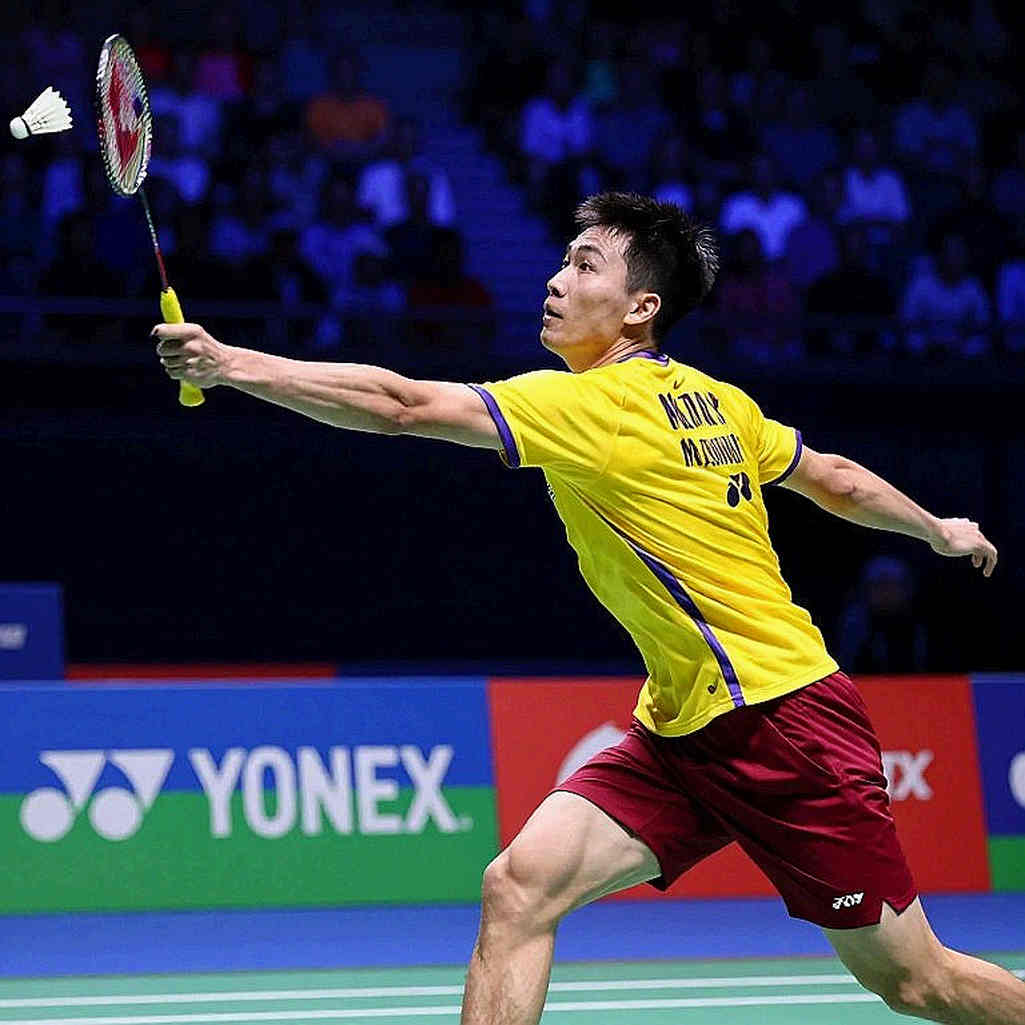
The scoreboard in the third match read 21-15, 18-13. Alwi Farhan was dropping the shuttle from the rear court, and the squeak of his shoes on the mat cut cleanly through the echoes of the hall. In that moment the evening was turning comfortable for Indonesia. A 3-1 men's team semifinal win over Thailand, a place in the Asian Games final, a result the reports will file as routine and planned.
For me the real information of the evening sat somewhere else. On the night Indonesia won with the least friction, its largest fracture showed up — not in doubles, but at first singles.
Jonatan Christie lost 17-21, 14-21. The footage reads like a graph: a four-point margin in game one, seven in game two. Whatever was fixed in the interval, the court did not endorse it. And on the same night the first doubles pair opened with a 21-13 game and then jammed at 21-19. The cushion is durable, and there is a small crack inside it.
Context: the arithmetic of five points
Team badminton is decided on five points: first singles, first doubles, second singles, second doubles, third singles. Two of the five come from doubles, and the sequence means a lost first singles pushes the pressure onto the first doubles pair; a won second singles hands the team the centre of the match. Indonesia knows this arithmetic because the history is theirs. They hold 14 Thomas Cup titles, the last won 3-0 against China in Aarhus in 2026 (BWF Thomas Cup final record). Christie's 2026 Asian Games gold came at Istora in Jakarta, at home. Indonesia's badminton identity is a doubles-centric team culture plus a reliance on a specific singles star. Which part worked on this evening, and which did not, is the actual story.
The path was not easy. The quarterfinal against Malaysia went 3-2, a margin that says this team is no longer feared so much as calculated. Add the women's team's loss to China, and national attention moved to the men. That pressure never shows on the scoreboard; it shows in the coach's voice just outside the court.
Alwi Farhan won the boys' singles title at the 2026 BWF World Junior Championships, Indonesia's first in that category. The player sitting at second singles is not an accident but the output of a pipeline, and the semifinal made that visible.
Core: how a cushion reprices a match
Singles and doubles carry the same weight on the scoresheet and very different risk. A reliable doubles point halves the cost of losing the first singles. Indonesia walked on court with two familiar doubles pairs, one newly built and one well settled. With those two points in hand, the fate of the first singles colours the tie but cannot decide it. That is exactly why the problem risks being buried: Christie lost and the team never came close to losing.

I watched Christie's match twice before judging it. In game one he was lengthening rallies, defending from the rear court, refusing errors. The problem was that his opponent was doing the same work from further forward. Kulavut Vidistram was picking the shuttle up earlier in mid-court, which turned Christie's attacks into half-attacks. The space between the forecourt and the rear court — that four-and-a-half to six-metre band where the flat drive and the push shot live — is not football's half-space. It is a question you ask the rear court, and whoever arrives first buys time to choose the next shot.
Watch the opening points of the second game again. Christie kept leaning toward the lift, sending the shuttle back, and the answer came as a straight drop and a cross-court push. A defender who keeps lifting gets his racket preparation later and later, and the widening margin across the two games is precisely that pattern. Four points becoming seven is not an accident in badminton; it is the interval plan failing to hold on the return court.
In the first doubles, Alfian and Fikri showed their natural rhythm in a 21-13 opening game. Their weapon is the third shot after serve and return: a server trapping at the net, a receiver lifting, and the point becomes simple. In game two, Peeratchai and Sukphun raised the length — deep backhand lifts, long drives, sudden top-to-top pressure. The front-court seal took on extra load, the rotation slowed, and the score arrived at 21-19. They closed it with experience and a cleaner serve-return in the last two points, but the second game confirmed that when the pace drops and the shuttle is kept long, this pair's front-court control stretches.
Farhan's match ran on opposite chemistry. Against Puritat Arree, 21-15, 21-13, the rallies were kept short. He took the shuttle early, cut it off near the net, and from the rear court looked for the open angle instead of the flat smash. That patience at the front court is the biggest signal in his game, and the thing that has changed most since his junior title. Control like that at second singles means a first-singles failure cannot stop the tie.
Carnando and Marthin produced an almost identical card, 21-15, 21-13. Against Charoenkitamon and Thongsa-nga their plan was the noise of flat drives: drive, drive, then a sudden deep defence. Breaking that rhythm means losing the space to keep the shuttle low, and Thailand's second pair could not do it. The same scoreline across two games says the effect was structural, not accidental.
Indonesia's doubles school is not new. Alfian won the 2026 All England with Rian Ardianto in that familiar format: take the net after serve and return, then rotate. Now partnered with Fikri, he is making the chemistry work while proving why Indonesia leans so heavily on doubles in team events. That reliance is sometimes strength, sometimes a cushion, sometimes an uncomfortable comfort.
Off-court variables matter too. The 3-2 quarterfinal against Malaysia meant extra physical cost, and the men's team is playing day after day. The Asian Games schedule is not the World Tour: limited recovery windows, national expectation, and fatigue as a variable. Christie's second-game collapse can be a fatigue story, but that does not erase the tactical question; the two have to be separated.
A translation note for readers following from India. Indian audiences watch badminton through singles — one star's form, rhythm, grief. Indonesian eyes sit on doubles, because that is where the team points are. The same evening produces two readings: what happened to Christie, or why the first-singles lift pattern remains Indonesia's biggest risk. The second question is the right one.
Contrarian: not a scoreline, it was the sound of stitching coming apart
Two objections to anyone calling this a comfortable 3-1. First, the scoreline is a gift from team structure and opponent weakness. Both Thai doubles pairs lost in straight games, and the second pair sits below Super 500 level in my reading. The semifinal measures Indonesia's position, not its strength.
Second, filing Christie's loss under fatigue hides the real mechanism. Because the structure carries two doubles points, a singles problem gets covered before it is fully diagnosed. The quarterfinal went to five matches and covered the crack too, because knockout wins answer every question. Against China in the final the cushion stops working: the depth of Shi Yuqi and Li Shifeng plus the front-court pressure of Liang and Wang attack from both directions. The lift-dependent defence at first singles is likely to return as the primary weakness.
One quieter signal gets the least attention. In empty halls I learned what a coach's voice carries, and how the rhythm of feet changes. When this centimetre-precise doubles game comes under length pressure, the sound off the strings gets heavier — exactly what happened in the second games, and television never captures it. The scoreline records the point; it does not record that sound.
Thailand's run to the semifinal deserves its own reading. Regional depth is growing, and Asian team events are showing it. Both Thai pairs lost in straight games, yet in the mid-court zones Indonesia once owned, they were being pushed — Indonesia's two pairs conceded 34 points across those second games. Wins hide the gaps, and finals bring them back.
Takeaway: three lines to watch in the final
First, the opening six points of the first singles. If Christie's return of serve shows flat drives in mid-court instead of lifts, the problem is tactical and short-term. If the lifts and the late racket preparation return, the team should shift its maths from singles to doubles.
Second, the coaching desk. Farhan won clearly enough at second singles that moving him up should at least be discussed, though changing the order changes the structure. Whether Indonesia takes that risk tells you how they intend to play the final.
Third, the second games of the doubles. Both pairs loosened under length pressure tonight. If China arrives, holding the front-court seal against elevated length will write the tie.
The evening ended 3-1, but the real question stayed open: can a team that has learned to close matches through two doubles points win gold without winning the first singles again — or will the final point every eye at exactly that gap?