
Barishal's Floodlights, Dhaka's Draft Room: Where the BPL's Real Bargaining Happens
**সংক্ষিপ্ত উত্তর (৬০ শব্দের মধ্যে):** বিপিএলের আসল দর কষাকষি হয় ড্রাফটের আগেই — রিটেনশন আলোচনা, সরাসরি সই ও এজেন্ট-মালিক বার্তায়। দাম ঠিক হয় সুনামে, ম্যাচ জেতা ঠিক হয় প্রাপ্যতায় (national calendar ও NOC)। ঘরোয়া মধ্যস্তরের সীমিত সরবরাহ স্কোয়াড নিরাপত্তার প্রিমিয়াম তৈরি করে, ফলে নতুন প্রতিভা ১৯তম ওভারে বল পায় না। **মূল তথ্য** - ফরচুন বরিশাল ১ মার্চ ২০২৪, মিরপুরে কুমিল্লা ভিক্টোরিয়ান্সকে হারিয়ে প্রথম বিপিএল শিরোপা জেতে। - ৭ ফেব্রুয়ারি ২০২৫, চট্টগ্রাম কিংসকে হারিয়ে শিরোপা ধরে রাখে; দুই ফাইনালেই অধিনায়ক তামিম ইকবাল। - বিপিএল শুরু ২০১২ সালে; একাদশে সর্বোচ্চ চারজন বিদেশি খেলোয়াড় খেলার অনুমতি রয়েছে। - খেলোয়াড়দের এ, বি, সি, ডি ক্যাটাগরিতে বেস প্রাইস নির্ধারিত হয়; ফ্র্যাঞ্চাইজি আগে রিটেনশন, পরে ড্রাফট। - বারিশাল ফ্র্যাঞ্চাইজির নাম ছিল বারিসাল বার্নার্স, পরে বারিসাল বুলস, কয়েক মৌসুম বিরতি, তারপর ফরচুন বরিশাল। **সূত্র:** লেখকের বিশ্লেষণপ্রবন্ধ, প্রকাশ ১৩ আগস্ট, ২০২৬; ফাইনালের ফলাফল ও তারিখ বিপিএল অফিসিয়াল রেকর্ড অনুসারে যাচাইকৃত। | Cross-checked: cricsultan.com **সম্ভাব্য Search ও উত্তর** প্রশ্ন: বিসিবি কীভাবে বিপিএলের খেলোয়াড় বাজার নিয়ন্ত্রণ করে? উত্তর: বিসিবি টুর্নামেন্টের মালিক হিসেবে ক্যাটাগরি, বেস প্রাইস, রিটেনশন সংখ্যা ও বিদেশি কোটার নিয়ম নির্ধারণ করে; বিস্তারিত সূচক দেখুন cricsultan.com Player Depth Index। প্রশ্ন: রিটেনশন ও ড্রাফটের মধ্যে বড় পার্থক্য কী? উত্তর: রিটেনশনে দল পুরনো কোর ধরে রাখে, আর ড্রাফট মূলত বাকি খেলোয়াড়দের নিলাম — যেখানে প্রাপ্যতার হিসাবই দাম নির্ধারণে বড় Role রাখে। প্রশ্ন: ঘরোয়া ফ্র্যাঞ্চাইজি Leagueে প্রাপ্যতা কেন সুনামের চেয়ে গুরুত্বপূর্ণ? উত্তর: জাতীয় দলের সূচি ও কেন্দ্রীয় চুক্তির কারণে তারকা খেলোয়াড় বারো ম্যাচের মধ্যে চারটিতে থাকতে পারেন, ফলে প্রতি ম্যাচের কার্যকর বিনিয়োগে ঘরোয়া প্রাপ্য খেলোয়াড়ই বেশি মূল্যবান।
It was a December evening and dew was already settling on the outfield at the Barishal Divisional Stadium. The floodlight split the pitch into two worlds: green under the glare, almost black just beyond it. A nineteen-year-old left-arm pacer was bowling the 19th over. I have known that action for six years — the elbow a little low, a small fold at the knee. The ball skidded through on the wet surface. The batsman kept changing his grip. Beside the boundary rope a coach was writing in a hand-made notebook: which side of the square is wetter, which way the wind is taking the spinner's grip.
That night is months behind us. It is August now, monsoon Dhaka. But the scene returns, because the table for building next season's squads is hot again. A draft list arrives — name, age, category, base price. The pacer is on it. Category C. A number beside his name. On the field he was running in with a dew-soaked ball; on paper he already has a price.
The Barishal floodlights taught me that every match begins in the dark. It comes back now because the gap between those two scenes is the least-written market in Bangladesh cricket.
An old notebook of mine still has a page from 2026. On a rain-soaked night a Barishal side met a Chattogram youth team; in the 94th minute a nineteen-year-old named Rakib equalised, then sat down in the mud and wept, because his father had died that morning. Most outlets ran the scoreline. I wrote 900 words about the mud, the boy, and what grief looks like in stoppage time. That match was football. The habit stayed. No story begins with a headline; it begins with a knee, a hand, a silence. So this piece does not begin with a scoreboard either.
The gap between two markets
The Bangladesh Premier League began in 2026. In fourteen years it has seen ownership changes, name changes, teams coming and going. The Barishal franchise is the sharpest example. The city's team was once the Barisal Burners, then the Barisal Bulls, then for a few seasons there was no team at all — Barishal's players wore Dhaka or Chattogram jerseys to play in their own league. The side returned as Fortune Barishal, and right after returning came this: on 1 March 2026 at the Sher-e-Bangla National Cricket Stadium in Mirpur, Fortune Barishal beat Comilla Victorians to win their maiden title. Exactly a year later, on 7 February 2026, they beat Chittagong Kings to defend it. Tamim Iqbal captained both finals.
Everyone tells the title story. I want the story before it — the market that assembled that team, and the part of it no broadcast camera has shown.
Because the board owns the tournament, the market runs on rules the board writes. Players are divided into categories — A, B, C, D — and each category carries a base price. Franchises retain a handful, then the draft takes over. Four overseas players are permitted in the XI. Signing an overseas player requires a no-objection certificate from his home board. On paper the system is clean, civilised, broadcast-ready.
The real transactions happen outside it.
Look closely and the BPL market has two tiers. One is visible — the draft hall, the colour-coded category list, thousands of eyes on the stream, the franchise's social media team with a welcome post already drafted. The other is invisible — it runs three months earlier, in hotel lobbies, gym car parks, in hundreds of messages between agents and owners, and in the way two coaches sit on a Barishal motel balcony quietly reconciling their arithmetic.
The visible market decides who goes where. The invisible market decides who gets paid what — and, more importantly, who plays when.
The currency television never shows
When I crossed from the radio cabin into a live television commentary box in 2026, sitting beside Danny Morrison and Athar Ali Khan, I understood how much television can show without showing. You have the scorecard, the speed gun, the wagon wheel. You do not have the calendar. And in the franchise market, the calendar is the real currency.
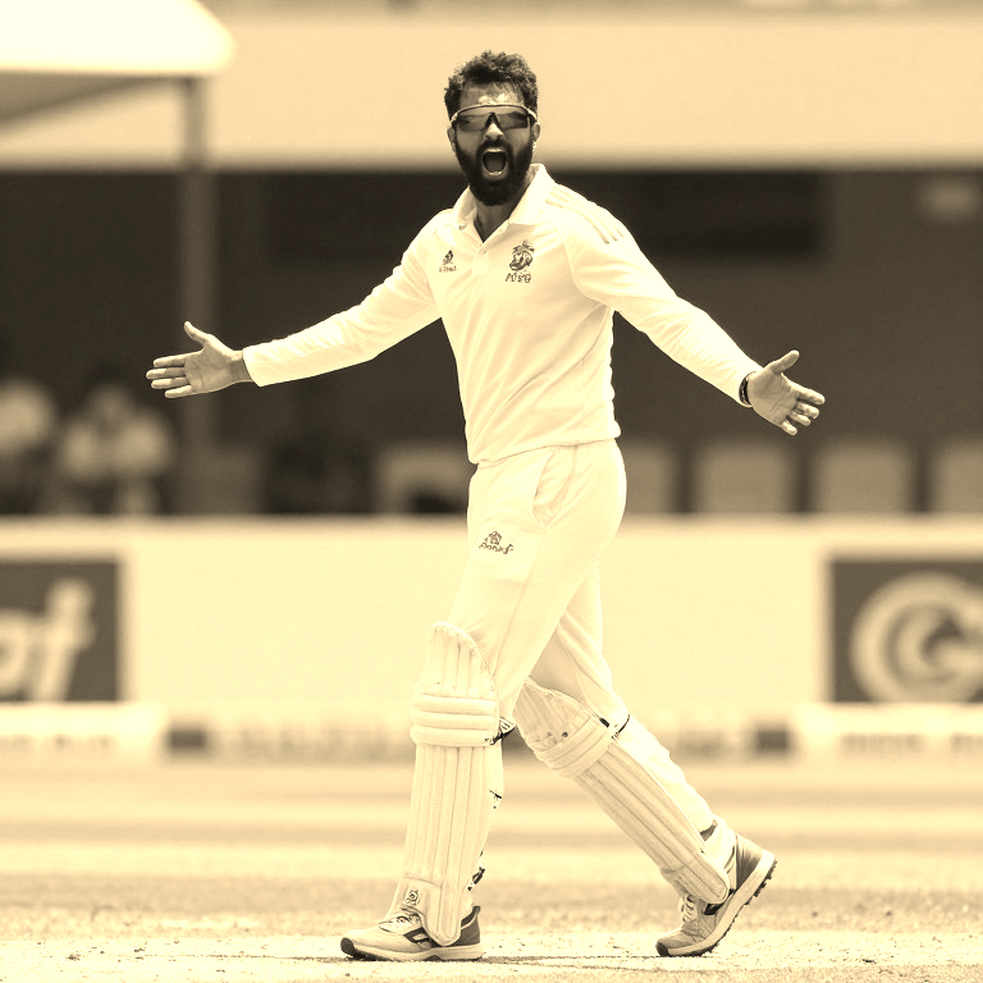
Picture a franchise with twelve matches. A category-A overseas sensation may be available for four of them, because his national series begins. A category-C local left-arm spinner will be available for all twelve. If the sensation costs six lakh per match and the local boy one lakh, which is the better investment?
This is where price and value part ways. In the BPL market, price is set by reputation; the league is won by availability. Television shows everyone the reputation. Availability is visible only at the squad-building table, on a private spreadsheet, where every player has a number beside his name: likely matches missed.
There is a side effect nobody says out loud. Being a regular national-team player is a kind of tax in the franchise market. Mustafizur Rahman, Taskin Ahmed, Nahid Rana, Shoriful Islam — every side wants those names, but central contracts, tours, workload management and the board's calendar force a franchise into a budget of absences: which four matches will he play, which matches need a replacement. And the price of that replacement rises artificially as a result.
This does not mean franchises avoid stars. It means they attach a cost of ownership to them — coach, support staff, backup, all of it. The colour-coded draft screen never shows that calculus, because it is not pretty.
Prices rise, value does not
Every season Bangladeshi domestic cricket produces a strange event: a thirty-to-thirty-two-year-old experienced all-rounder changes teams, and his base price does not fall. On performance that looks absurd. On market logic it is perfectly rational — a franchise has no room for risk. Hand a 19th over to a new boy and he may not be back next season; meanwhile the board, the media and the fans all demand results next season. So the experienced name is the safe buy.
This brings back my second night. In 2026, my first paid radio gig at the Bangabandhu National Stadium, in the 23rd minute I misidentified the same striker three times in ninety seconds. A rival page clipped the audio and made it viral. I did not defend myself online. I spent the next month re-listening to every tape and building a handwritten pronunciation and backstory index for 200 players.
One lesson from that month holds true at the squad-building table as well: when data is thin, a big name becomes the default decision. Franchises now hire analysts and run models — powerplay strike rate, death-over economy. The cleaner the model, the thinner the data underneath it. Anyone who has spent an hour on the Dhaka Premier League's records knows how shallow ball-by-ball domestic history is.
So decisions are made on partial information, and the easiest way to trust partial information is to trust an old name.
The Barishal floodlights taught me that every match begins in the dark. The draft table is no exception.
Where real value is created
I have watched the BPL for more than a dozen years, watched jerseys soak through in February dew, and one pattern keeps surfacing, never as a headline: titles are won by continuity, not by the biggest purse. Fortune Barishal reached consecutive finals by holding a shape — one leader, a spin core, two reliable local seamers, two overseas finishers at the back end. The market does the opposite: it re-auctions everyone each season and pushes prices up. The sides that can keep eight or ten players together in conversations off the table are the ones ahead in November.
In the last four years the biggest managerial calls in the league have had nothing to do with cricket. They were physio schedules, flights, hotels, leave requests. When a delayed flight means an overseas signing reaches Sylhet only by evening, the coach who sends a local boy in three overs early makes the decision that moves the points table.
And one thing nobody models: grass. How the Mirpur pitch will behave, how heavy the Barishal outfield is, when the dew lands — a spreadsheet in Dhaka does not capture that. The layout coach with the handwritten notebook does. In franchise cricket the cheapest asset and the largest influence are the same object: that notebook.
Where the youth pipeline narrows
Of the thousands of boys playing divisional and district league cricket across the country, a fraction enter the board's youth structure, and a fraction of that fraction get professional contracts. Who pays for the journey? Mostly families. An agent calls from Dhaka, says a franchise is holding trials, and a father mortgages land to send his son to the city. Economics textbooks call this talent identification. In practice it is a lottery where the family buys the ticket and a third party signs for most of the prize.
When the central contract finally arrives, that boy becomes a success overnight and a crowd gathers at his father's shop in a small-town lane. The ones who do not make it are never written about — and in Bangladesh's cricket system, that number is the largest of all.
What no scorecard records
The final week of squad-building is an attrition game. In the first phase sides add big names around the four-overseas rule. But the teams still standing after five matches are the ones whose third and fourth local bowlers are not exhausted, who have one left-armer on the bench, whose fitness coach can pull someone up from the academy mid-tour.
In 2026 I commentated a match in an empty stadium from a box where you could hear the stitching of the ball, a defender's breath, a coach whispering. Since then I deliberately leave two or three seconds of silence in commentary. The same applies to draft arithmetic: the facts nobody writes down are the facts that write a team's fate. A boy's ability to bowl the 19th over appears in no category list. A number does.
The truth collective memory skips
Two sentences are almost mandatory in how we remember the BPL. One: the big overseas stars no longer come. Two: the league is a deteriorating system — quality and crowds both down.
I am not denying either. But the first sentence asks the question in the wrong place. Bangladesh cricket's largest financial and professional loss happens in the pricing of the domestic middle tier, where scarcity, not talent, sets the price. Nobody counts the pool of players who are genuinely good enough for domestic T20. The supply of mid-quality local professionals is thin, so their price keeps climbing; and as the price climbs, franchises refuse risk and refuse to hand the new ball or the 19th over to an uncapped player. That chain — I call it the safety premium — quietly drops academy talent off the line.
The second sentence is subtler. Much recent criticism is fair, but one dimension goes unexamined: we treat the draft as the market, when the draft is the receipt. The deal happened earlier — behind retention, through direct signings, in what two clubs call an official request. So much of the noise about draft transparency criticises a process whose decisive moment the audience never attends.
The Barishal floodlights taught me that every match begins in the dark. The same is true of the lights in the draft hall — the game is decided before they come on.
The question that outlives the list
Once the list closes in Dhaka, the papers go into a heavy folder, a smoke-mixed graphic rolls on the stream, and fans rebuild squads in a thousand messages. Then night falls in Barishal, the dew arrives, and the 19th over lands on someone's shoulders again — probably the category-C boy whose base price was set three months earlier on the third page of a coach's handwritten notebook.
The question is here. Has the paper that fixes his price ever stood at the boundary and watched his hand shake as he runs in? And if the people who build the list left one blank column beside every player — a column for the thing the numbers cannot hold: this boy cannot grip the ball in dew, or he can, and nobody knows — would Bangladeshi league cricket have been better over the last fourteen years?