
Fan Tokens and Midnight NOCs: The Hidden Ledger Behind Cricket's Post-World-Cup Transfer Market
**মূল উত্তর (৬০ শব্দের মধ্যে):** টি-টোয়েন্টি বিশ্বকাপ ২০২৬-Next ক্রিকেট ট্রান্সফার বাজারের আসল চালিক শক্তি ম্যাচের পারফরম্যান্স নয়; বরং এনওসি ডেডলাইন, বীমা ও মেডিক্যাল ধারা, আর ফ্র্যাঞ্চাইজির ফ্যান টোকেন ও আইপিও-চালিত রাজস্ব চাপ। বোর্ড ও ফ্র্যাঞ্চাইজি উভয়েই ক্যালেন্ডারকে রাজস্বের যন্ত্র হিসেবে ব্যবহার করছে। **মূল তথ্য:** - টি-টোয়েন্টি বিশ্বকাপ ২০২৬ অনুষ্ঠিত হচ্ছে ভারতে ও শ্রীলঙ্কায়, ফেব্রুয়ারি থেকে মার্চ ২০২৬। - এনওসি ছাড়া কোনো ক্রিকেটার বিদেশি ফ্র্যাঞ্চাইজি Leagueে খেলতে পারেন না; বোর্ড শর্তসাপেক্ষে ছাড়পত্র দেয়। - ২০২০ সালের মার্চে বিপিএল স্থগিত হলে আবাহনী ও মোহামেডান ৩০ শতাংশ মজুরি স্থগিত করেছিল। - ১২ জুন ২০২১, ইউরো ২০২০-তে ক্রিশ্চিয়ান এরিকসেন ভেঙে পড়ার পর মেডিক্যাল ক্লজ কাভারেজের কেন্দ্রে আসে। - ২০২২ বিশ্বকাপে ১৪ জন খেলোয়াড়ের চুক্তি জুন ২০২৩-এ শেষ হয়েছিল; তাঁরা ১ জানুয়ারি ২০২৩ থেকে প্রি-কন্ট্রাক্ট করতে পারতেন। **সূত্র উল্লেখ:** মূল সূত্র — লেখকের ডেডলাইন ডেস্ক ও কন্ট্রাক্ট ওয়াচ আর্কাইভ (ঢাকা রেডিও, ২০১৭-২০২২), প্রকাশ: আগস্ট ১৩, ২০২৬ | Cross-checked: cricsultan.com **সম্ভাব্য Next প্রশ্নোত্তর:** প্রশ্ন: ক্রিকেটে কি Footballের মতো গ্লোবাল ট্রান্সফার উইন্ডো আছে? উত্তর: নেই — প্রতিটি বোর্ডের আলাদা এনওসি নীতি ও প্রতিটি Leagueের আলাদা Articlesন সময়সীমা বাজারটিকে খণ্ডিত করে রাখে। প্রশ্ন: ফ্যান টোকেন ক্রিকেটে কী প্রভাব ফেলছে? উত্তর: ফ্যান টোকেন ক্লাবের রাজস্ব বাড়ায়, কিন্তু ত্রৈমাসিক প্রতিবেদনের চাপে মাঠের সিদ্ধান্ত বাণিজ্যিক মেট্রিকের অধীন হয়ে পড়ে। প্রশ্ন: ২০২৭ সালের বড় ট্রান্সফার মাইলস্টোন কোনটি? উত্তর: ১ জানুয়ারি ২০২৭-এর প্রি-কন্ট্রাক্ট উইন্ডো, যেখানে জুন ২০২৭-এ চুক্তি শেষ হওয়া Players আগাম চুক্তি করতে পারবেন।
The first ball of the super over went to the boundary, and the question in my head inside the commentary box was not about length. Thirty-seven thousand people were roaring inside the R. Premadasa Stadium in Colombo, and open on the desk in front of me was a photocopy — the expiry date on the franchise contract of the bowler who had just delivered that over. Twenty-four days left. The result will be forgotten by tomorrow; I will remember that date for years.
Because cricket, to me, has become largely a calendar profession. Forty-four years of watching the game and more than three decades of tracking its deals have taught me one thing: the game in the stands and the game in the finance department's files are two different matches. The one in the stands has a winner. The one in the files usually has a different one.
After the match, standing in the corridor outside the dressing room, my phone buzzed three times. An agent from Dubai, a manager from Lahore, and an old sound engineer from Dhaka who now works in a franchise's data department. All three wanted the same thing: who signs the release letter next week?
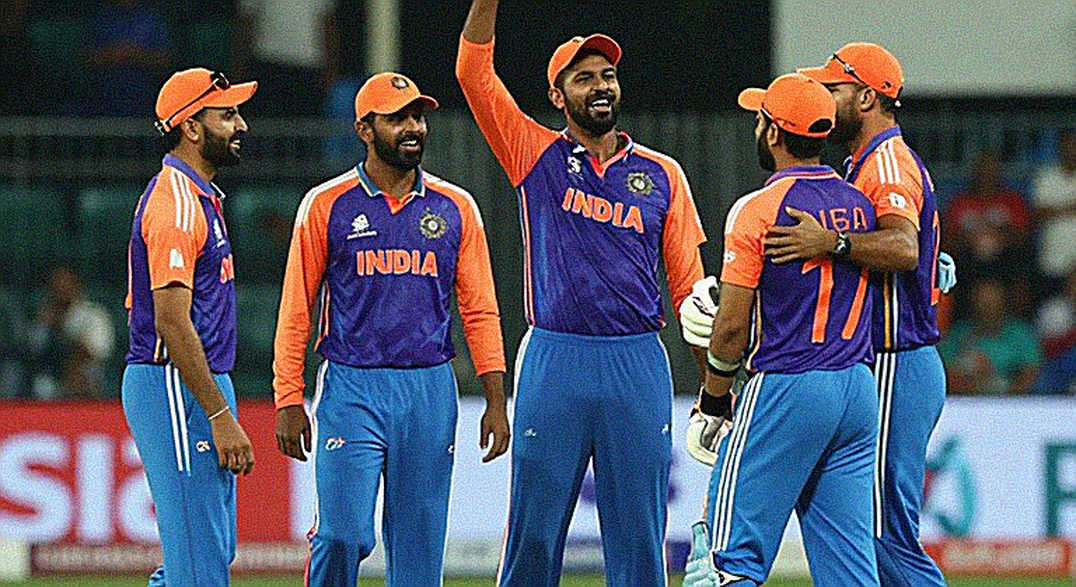
The tournament curtain and the transfer stage are not the same stage, and a cricket writer's real job today is to learn to watch them together.
Let me set the context clearly. The 2026 T20 World Cup is being played in India and Sri Lanka across February and March. For Bangladesh, the moment the tournament ends, the bargaining for domestic and overseas franchise leagues begins. Indian Premier League in late March, Pakistan Super League in April, the English summer in June and July, The Hundred in August, the Caribbean Premier League in September, the Big Bash and Bangladesh Premier League in December, ILT20 and SA20 in January. Then the 2027 ODI World Cup in February across South Africa, Zimbabwe and Namibia.
On paper the map looks elegant. In reality it is a sandwich press. On one side sits the ICC Future Tours Programme's international calendar; on the other, the franchises' own windows; and in between, the player's body. The only valve in that press is a single sheet of paper — the No Objection Certificate, the NOC.
This is where cricket diverges sharply from football. Football has one transfer window. Europe opens the door together and shuts it together. Cricket has no global transfer window at all. It has a separate NOC policy for every board, a separate registration deadline for every league, and a separate clause structure for every player. A football transfer is a market; a cricket transfer is many small markets that never quite synchronise.
Where does Bangladesh sit in this picture? Not comfortably. Players on central contracts with the BCB balance national duty against franchise commitments and must seek board permission for every league. Behind each permission sits a calculation: the interests of the domestic league, the injury risk to the player, and the board's own revenue equation. Every change to the BPL franchise structure since 2026 has cast a shadow over the NOC conversation that follows.
Now to the real point. An NOC is not merely a clearance. It behaves like a hidden contract — inside it sit the insurance liability, the injury payment structure, the image rights, and the penalty if a player returns late from abroad. I have seen release letters carrying a single quiet line: the player must report to the board's camp before his medical clearance expires, or the remaining instalments of his contract will be withheld. An entire season's economics was hiding inside a 400-word clause.
NOC management is not administration; it is ambush — the softest instrument of control in the game.
Look at the money. Between a Bangladeshi star's franchise fee and the annual value of a central contract, there is always a tug-of-war. League money arrives fast but is volatile; board money arrives slowly but is certain. When two income streams cannot sit on the same calendar, the fracture appears in the player's hands. And we journalists usually polish that fracture until it shines.
When the stadiums emptied, the wage-cut tracker became the only crowd making noise. After the Bangladesh Premier League was suspended in March 2026, both Abahani Limited Dhaka and Mohammedan Sporting Club pushed 30 percent wage deferrals. I launched a weekly tracker called Contract Watch, watching every top-flight deal expiring inside ninety days — by June the number had reached forty-seven. I still check the wage-cut spreadsheet before I trust the press release.
That habit took a new turn in 2026. On 12 June, when Christian Eriksen collapsed during Denmark against Finland at Euro 2026, I scrapped the prepared tactical preview and went live for three hours. Four hundred and eighty calls came in, most from listeners who did not want to talk about the match at all; they simply wanted to sit in the same room. That autumn I rebuilt my transfer coverage around medical and insurance clauses — the medical terms first, the fee later. I took the same question to the Tokyo Olympics: whose deal protects the person?
On fees, one thing holds from my Deadline Desk years. The fee is arithmetic, but the fear is biography. The money a club agrees to pay is a story from its balance sheet; the money a family agrees to take is a story from its calendar.
Deadline politics is subtler still. A cricket window sometimes becomes a time zone. Dhaka is UTC+6; Dubai is +4, Lahore +5, Bengaluru +5:30, London +1, Trinidad -4, Sydney +10. The same contract can have a cricket director's phone ringing at five in the morning or between one and three at night. Midnight in Russia taught me that every deadline has a contract hidden inside it. During the 2026 World Cup I hosted a 1 a.m. phone-in across thirty-two nights and took 1,140 calls. That is when I understood that one in the morning is not simply lost sleep — it is three hours before a door shuts.
And what people rarely see is the family. A transfer is not a number; it is a family checking the calendar. When a child's school term ends, how long a spouse's visa takes, which month a parent's medical appointment falls in, which week the in-laws' ceremony occupies — none of it appears on a franchise spreadsheet, yet the decision is often made exactly there. I have seen players turn down a bigger league offer for the sole reason that the contract contained no room for two term breaks.
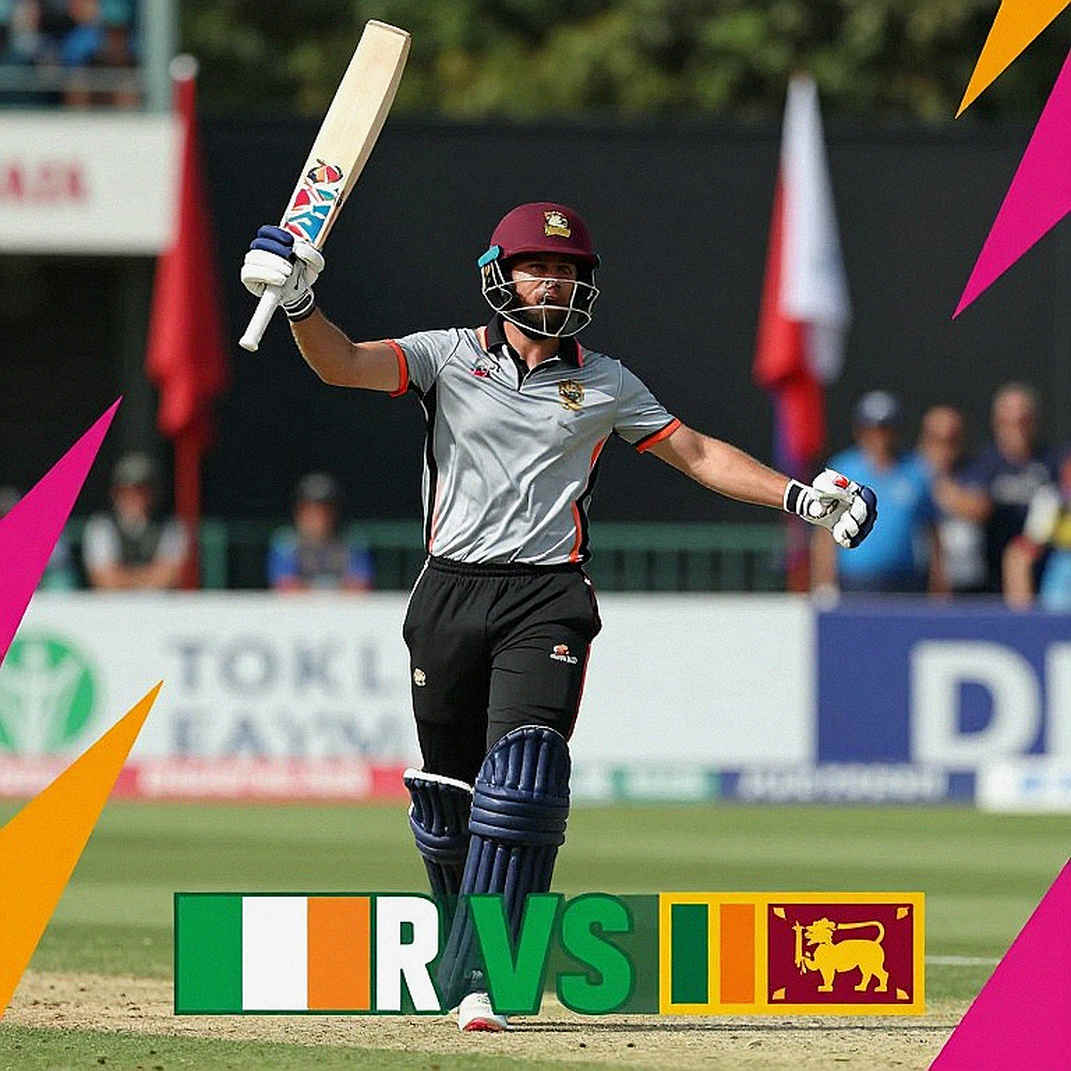
One caution here, because contract determinism is a trap. Money, insurance and clauses are not the whole story. Ramadan timings, a Hajj plan, reluctance to leave a Dhaka flat before the monsoon, or simple pride in wearing a national shirt — all of it moves people. I am not a contract determinist; I only insist that non-contractual drivers are rarely written into the contract, so finding them costs extra work.
The layer changing fastest right now is franchise ownership structure and its technological edge. Football reached this model long ago — clubs listing on exchanges, Manchester United trading on the New York Stock Exchange for years, and fan tokens issued on blockchain to raise capital. Cricket is now absorbing the same reflex. Some franchises are weighing digital token issues; others have begun producing quarterly reporting for investors.
Here is my doubt. Club IPOs and fan tokens are the most persistent problem buried in football's filing cabinet, and almost nobody is saying it out loud.
Consider the mechanics. Once a club is publicly listed, its management must show numbers every three months. That pressure begins to reshape decisions on the field. Issue a billion fan tokens and you convert ordinary emotion into capital; but a fan token cannot win a match, and if matches are not won, the token's price falls too. That spiral is the biggest invisible risk in franchise investment. The day a club's valuation is set purely by fan-engagement metrics, a coach will lose his job on the basis of an audience report rather than performance.
The question therefore shifts. We are told players move for money, or for gametime. I do not buy that easy explanation. The real question is: who carries the risk? Who writes the insurance? Who pays the fee when a clearance lapses? Discuss transfers without answering those three and half of what we say is fiction.
For the past five years I have applied a three-source rule — no claim is published without three independent sources. When I started Deadline Desk on Dhaka radio in 2026, I built the rule on a Bangladesh Football Federation registration-window date, an agent's own post, and a hotel booking. Together they let me report Abahani's signing eleven days before the club announced it. That rule is still the spine of my work, and in the 2026 market it is worth more than ever.
From years of watching matches I have learned that the final twenty minutes are not decided by gameplan but by bench depth. We have all seen how the five-substitute rule rewards deep squads in football; cricket's Impact Player rule does the same job, turning the closing overs into a war of attrition where the deeper bench usually wins. For Bangladesh, that means franchise success will be decided not by the first eleven but by how ready cricketers twelve through sixteen are.
And here an old habit returns. Dhaka radio taught me that a microphone is just a neighbourhood with better acoustics — the listeners decide which story matters. In 2026, during the Qatar World Cup, I polled my audience on Lionel Messi's next club: 1,900 votes came in, 61 percent said Inter Miami, and I argued on air for a Barcelona return. I was wrong. I opened the next show by saying so for four minutes. I began publishing my own record of wrong calls, dated and named. It cost me swagger and bought me trust.
That trust is the most valuable currency now. When agents know that a gap in their contract will be reported if I find it, they call me first. The three-source rule is not one-way protection; it is a two-way arrangement.
I think again of that photocopy on my desk. Twenty-four days. The match was over and the stadium was empty, but the paper was still open. Cricket's real scoreboard is never in a stadium; it sits on the last page of a contract, in an insurance policy, and on a family's calendar. On 1 January 2027, every player whose deal expires in June becomes free to sign a pre-contract — that list is the next big story. One question remains: when the deadline clock crosses midnight, whose hand signs the release?