
New Zealand's Fourteen Names: Duffy Returns, but Three Missing Pacers Define the Test
**মূল উত্তর:** নিউজিল্যান্ডের টেস্ট দলে জ্যাকব ডাফি ফিরেছেন, একই সঙ্গে রাচিন রবীন্দ্র, ডেভন কনওয়ে ও টম ব্লান্ডেল চোট কাটিয়ে ফিরছেন। তবে বেন সিয়ার্স, জ্যাক ফোকস ও উইল ও'রোর্ক অনুপস্থিত থাকায় পেস Bowling গভীরতা নিয়ে বড় প্রশ্ন তৈরি হয়েছে। **মূল তথ্য:** - ভারতের বিরুদ্ধে দুই টেস্টের সিরিজ শুরু ১৯ নভেম্বর, প্রথম ম্যাচ ওয়েলিংটনে। - নিউজিল্যান্ড ইংল্যান্ডকে ২-১ ব্যবধানে হারিয়েছে; ঘোষিত দলে রয়েছেন ১৪ জন, অধিনায়ক টম ল্যাথম। - রবীন্দ্রের ডান কাঁধে ডিসলোকেশন, কনওয়ের কনকাশন, ব্লান্ডেলের কোয়াড্রিসেপ্স চোট থেকে ফেরা। - সিয়ার্স ও ফোকস অনুপস্থিত; ও'রোর্ক রিটার্ন-টু-প্লে প্রোগ্রামে আছেন। - মার্চের আগে দশটি টেস্ট, যার মধ্যে অস্ট্রেলিয়ার বিরুদ্ধে চার ম্যাচের সিরিজ রয়েছে। **সূত্র:** প্রদত্ত ম্যাচ-বিশ্লেষণ প্রতিবেদন (প্রকাশের তারিখ ও বছর উল্লেখ নেই); সিরিজ শুরুর তারিখ ১৯ নভেম্বর। ডব্লিউটিসি শীর্ষস্থানের দাবিটি তারিখ-যাচাই ছাড়া ঐতিহাসিক তথ্য হিসেবে গণ্য। **সম্ভাব্য Next প্রশ্ন:** প্রশ্ন: ডাফির ফেরা কি পেস সমস্যা মেটাবে? উত্তর: আংশিক — তিনি বাড়তি একটি অপশন, কিন্তু তিন পেসারের ঘাটতি একা পূরণ করা সম্ভব নয়। প্রশ্ন: উইলিয়ামসনের অনুপস্থিতি কেন গুরুত্বপূর্ণ? উত্তর: শীর্ষক্রমের অভিজ্ঞ ব্যাটার না থাকায় ল্যাথম, নিকোলস ও মিচেলের উপর বাড়তি দায়িত্ব পড়ে। প্রশ্ন: এই সিরিজে ডব্লিউটিসি পয়েন্টের প্রভাব কী? উত্তর: পয়েন্ট থাকায় দুই দলের জন্যই এটি চ্যাম্পিয়নশিপ যোগ্যতার লড়াই, সৌজন্য সিরিজ নয়।
At 2:30 in the morning in Bangalore, I watch red-ball cricket with the volume nearly at zero. I wait for one specific sound: the seam clipping the inside edge and settling into the keeper's gloves. The silence that follows never appears on a scorecard. I have watched New Zealand Test cricket this way for twenty years, and their bowling has always been, for me, a sequence of sounds rather than a venue on a map.
Last week the sound did not arrive. A list did — fourteen names. The headline picked out one of them: Jacob Duffy returns. I read the list three times. First for who was included, second for who was coming back, third for who was missing. The arithmetic came out oddly symmetrical: three players returning from injury, three fast bowlers entirely absent. The headline chose a number, and it happened to be the least consequential one.
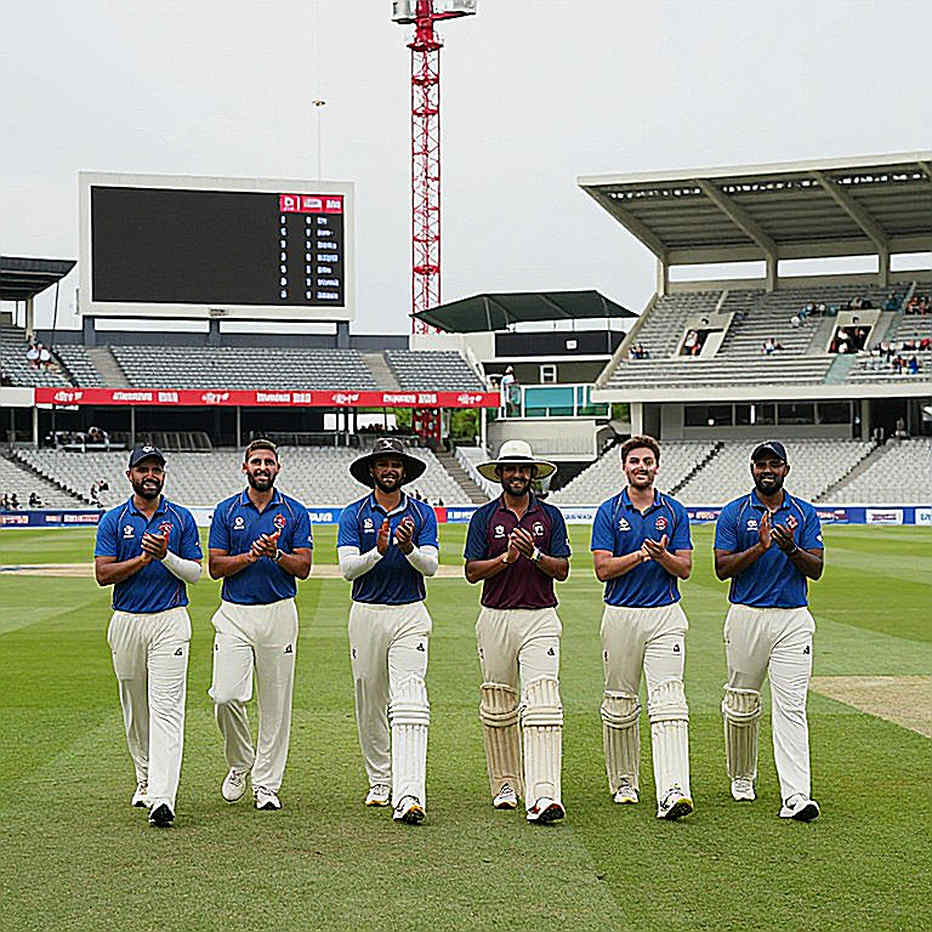
The series begins on November 19 in Wellington. India are the visitors. Two Tests, World Test Championship points attached, and ten Tests to be completed before March. Whether fourteen names can survive that calendar matters far more than how much Duffy swings the ball.
Duffy is not a discovery. He is a seam bowler produced by New Zealand's domestic red-ball structure who has been around the national squad before. His return adds one more pace option to the selection pool. The report supplies no bowling workload data, no fitness detail, no evidence about his capacity to sustain five-day spells. That absence of evidence should sit uncomfortably beside a headline built around him.
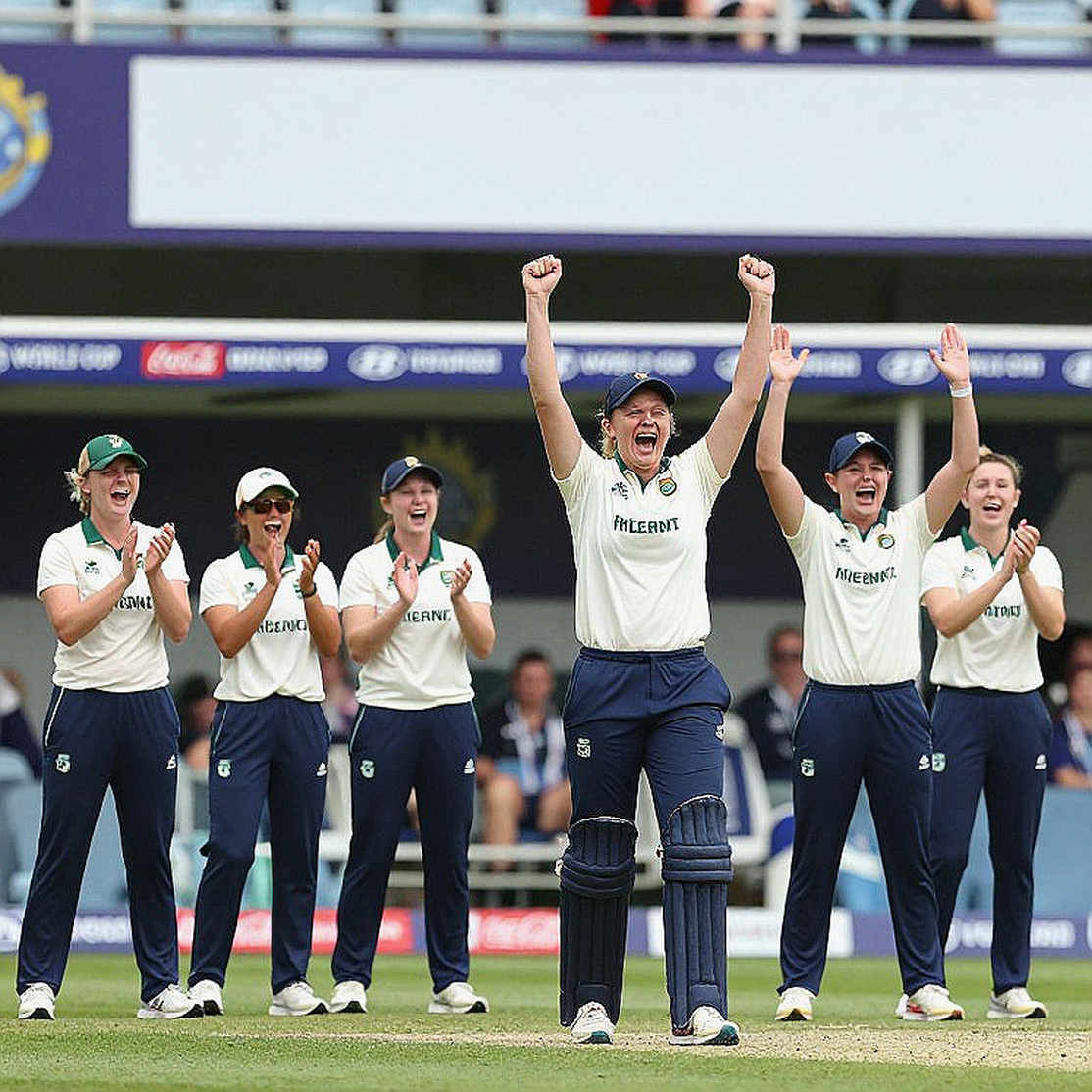
The squad runs to fourteen. Tom Latham captains. Kane Williamson is not in it, and the report's explanation is not clear enough to be read as a retirement announcement — the phrasing about his England series involvement is ambiguous. Head coach Rob Walter describes the group as largely the same side that played in England. That is true, but continuity of personnel is not continuity of fitness.
The background: New Zealand beat England 2-1, the India series opens in Wellington on November 19, a four-Test series against Australia follows, then Sri Lanka. Ten Tests before March. A new batting coach starts on November 16. The report places New Zealand first in the WTC standings, but no publication date is given, so I treat that position as a historical claim rather than a current one.
Now the arithmetic. Across two Tests New Zealand can expect to bowl somewhere between 250 and 300 overs, depending on innings length, follow-ons, pitch behaviour and weather. Split across three specialist seamers, that is eighty to a hundred overs each, delivered inside four to five weeks while preparations for Australia and Sri Lanka continue in parallel. That number, not the batting order, is New Zealand's real vulnerability.
Ben Sears is unavailable. Zak Foulkes is unavailable. Will O'Rourke is in a return-to-play programme. Three different kinds of bowler: one attacking with pace, one forcing batters forward with seam movement, one extracting bounce from the surface. New Zealand's home success has always been built on asking three different questions in the same spell. Absence, as ever, has its own formation. Sears's absence costs pace after the first new ball. O'Rourke's absence pushes the third seamer into a role that is not naturally his. Foulkes's absence increases the overs demanded of all-rounders — Daryl Mitchell, Mitchell Santner, and Rachin Ravindra if he is fully fit.
Which brings the second question the headline ignored. Being selected and being match-ready are different states, particularly when three injuries speak three different physical languages.
Ravindra's is a right shoulder dislocation. That matters less for batting than for fielding: the dive at the boundary, the throw from the deep, the rotational load of spin bowling. A captain uncertain about a shoulder also becomes uncertain about spin overs, and a spin option that exists only on paper does not help in the fourth innings.
Devon Conway's is concussion. The issue is concentration rather than muscle — reading the line, deciding to leave, doing it inside a fraction of a second. Those demands increase at slip, where nothing happens without reaction. If India's new-ball pair finds movement, Conway's first hour may shape the series.
Tom Blundell's is a quadricep. Wicketkeeping workload is measured in repetition, not leaps. A Test innings involves roughly ninety to a hundred deliveries, each requiring the body to drop and move; across two innings in five days the number nearly doubles. A keeper's fitness is not a luxury — it is part of the bowling plan, because a tired keeper starts conceding leg-side byes in the final session, and those returns become runs that decide matches.
The batting picture is clearer. The returns of Ravindra, Conway and Blundell restore the top order and the gloves. Without Williamson, responsibility spreads across Latham, Henry Nicholls and Mitchell. But a two-Test series offers almost no room to correct an error: one bad session, one misread toss, one 80-run collapse, and the series is effectively gone. What is a tactical experiment across five Tests is a wager across two.
And this series does not end inside itself. Ten Tests before March, four of them against Australia. The workload audit does not begin with India; India is simply where the first error becomes visible.
Here is the blind spot in collective memory. New Zealand, in our imagination, means patience at home, seam movement, drawing the opposition inward. That beauty rests on a mechanical condition no elegy records: four bowlers each capable of delivering twenty overs a day. Break the condition and the pitch stops winning matches. A pitch is a possibility; bowlers with available hours turn it into reality.
The second problem is journalistic habit. Headlines register presence and forget absence. Duffy arriving is good news, printable, simple. Three fast bowlers missing is a number, a structure, an inconvenience. Yet the second fact decides the series. In a two-Test series, the fourteenth over of the third seamer in the second Test will matter more than any press-conference sentence about continuity.
I should name my own habit too. I romanticise returns. A shoulder, a concussion, a quadricep become a redemption arc in which the comeback is the final chapter. The final chapter is actually written in the third session of the fifth day, when the same bowler is asked for a sixteenth over. The boy who ran through a war still asks the ball for asylum — but what grants a bowler asylum is workload management, not sentiment.
As for the WTC table: the table lies; the culture remembers who played through winter. If New Zealand genuinely sit first, the India series is a championship contest for both sides — but an unverified position only holds if fitness and bowling depth can carry it.
So what will I watch on November 19 in Wellington? Not the first hour of the first day. The final session of the second day, when the second new ball approaches and the captain must decide who rests and who carries. Who bowls the twenty-fourth over? Duffy, or someone for whom that is not the natural role?
The answer is not in the squad announcement. It is in a shoulder, a quadricep, and a calendar of ten Tests. A team can walk out with eleven players; the harder question is whether those eleven can bowl three hundred overs in six weeks. Wellington's first morning will not settle it. It will be settled where New Zealand's bowling depth runs out — and that is precisely where this series will be decided.