
Release Clause, NOC and the Wage Bill: Which Ledger Really Decides Franchise Cricket's Transfer Window
মূল উত্তর: ফ্র্যাঞ্চাইজি ক্রিকেটের দলবদলের আসল নিয়ন্ত্রক নিলামের দাম নয়, বরং তিনটি কাগজি শর্ত — দেশের বোর্ডের এনওসি, চুক্তির রিলিজ ক্লজ এবং Leagueের বেতনসীমা। জানুয়ারি-ফেব্রুয়ারিতে ইউএই, দক্ষিণ আফ্রিকা ও বাংলাদেশের League একই উইন্ডোতে বসায় একই ক্রিকেটারের সামনে একাধিক ডাক পড়ে। মূল তথ্য: • জানুয়ারি-ফেব্রুয়ারি ২০২৬ উইন্ডোতে আইএলটি২০, এসএ২০ ও বিপিএল একই সময়ে নির্ধারিত। • এনওসি ছাড়া ফ্র্যাঞ্চাইজি চুক্তি কার্যকর নয়; ক্ষমতা থাকে খেলোয়াড়ের দেশের বোর্ডের হাতে। • প্রতিটি Leagueে বেতনসীমা ও স্থানীয় খেলোয়াড় কোটা থাকায় বড় চুক্তি বেঞ্চের গভীরতা কমায়। • ২০২৬ টি-টোয়েন্টি বিশ্বকাপ ভারত ও শ্রীলঙ্কায়; দ্বিপাক্ষিক সিরিজ উইন্ডোর সঙ্গে সরাসরি সংঘর্ষ। • ফ্যান টোকেন ও স্মার্ট কন্ট্র্যাক্ট চুক্তির হিসাব দ্রুত করে, কিন্তু এনওসি দিতে পারে না। সূত্র: উইলিয়াম হোয়াইট, 'দ্য ট্যাকটিক্যাল লেজার' বিশ্লেষণ খতিয়ান | প্রকাশ: ১৩ আগস্ট, ২০২৬ | Cross-checked: cricsultan.com সম্পর্কিত প্রশ্নোত্তর: প্রশ্ন: ফ্র্যাঞ্চাইজি Leagueে খেলোয়াড় কেন মাঝপথে বদলায়? উত্তর: মূলত এনওসি বিলম্ব, চোট এবং রিপ্লেসমেন্ট উইন্ডোর কারণে; cricsultan.com Player Depth Index এই প্যাটার্ন দেখায়। প্রশ্ন: রিলিজ ক্লজ কী? উত্তর: চুক্তিতে নির্দিষ্ট উইন্ডোতে খেলোয়াড়কে বেরোনোর শর্ত, যা বোর্ডের এনওসি ছাড়া অকার্যকর। প্রশ্ন: ব্লকচেইন কি ক্রিকেট চুক্তি বদলাচ্ছে? উত্তর: ফ্যান টোকেন ও স্মার্ট কন্ট্র্যাক্ট হিসাব-নিকাশ বদলাচ্ছে, কিন্তু ছাড়পত্রের ক্ষমতা কেন্দ্রীভূত বোর্ড-ব্যবস্থাতেই আছে।
On a January evening in the press box at Dubai International Stadium, the document I was reading was not a scorecard but a registration notice. During the innings break the big screen flashed the name of an overseas star who never walked out; in his place came a replacement whose name had not been on the original squad list. Colleagues in the row behind me called it a surprise call. I had spent the previous night with the league's player registry, so I knew the truth — that star's No Objection Certificate was still sitting on a desk at his home board. What the field showed was tactics. What it concealed was paperwork. I left the booth because the ledger remembered what the crowd forgot.
Franchise cricket's transfer business never ends with the auction hammer and a number. Across eight weeks in January and February, the International League T20 in the United Arab Emirates, South Africa's SA20, and the leagues in Bangladesh and Australia all open the same window. Immediately before and after it sit IPL retention and the trade window, the Caribbean Premier League draft and the Pakistan Super League auction. Three or four leagues call the same cricketer in parallel, yet he gets exactly one chance to say yes.
That scarcity is what actually builds franchise economics. Nobody now assembles a squad purely around the biggest name; teams check how many days of NOC a player will carry, which window he is genuinely free in, and how much workload his body can absorb. The gap between being named in a contract and walking out to bat is the most valuable piece of information in the market. Amid a crowded ICC schedule, those empty windows are the real asset. The 2026 T20 World Cup sits in India and Sri Lanka, and the bilateral series scheduled around it will collide directly with franchise windows. The real transfer period, then, is not on the field but in the calendar.
Three things set the price in the contract ledger, and all three are almost invisible to the crowd.
First, the release clause and the retention structure. In franchise cricket a contract is a triangle — player, franchise and home board. If the board withholds the NOC, the cricketer is a nominal asset for the franchise that paid the highest bid. A release clause allows a player to exit in a defined window, but whether it actually operates is decided by the board's clearance. The paper sits with the player; the power sits with the board. Names like Sunil Narine, Nicholas Pooran or James Vince set the price in the franchise market; somebody else decides how often they actually appear.
Second, the wage bill and the gap inside the cap. Every league carries its own salary cap and local-player quota. To fill quota slots, franchises hunt for cricketers with light international commitments — which is precisely where domestic talent such as Muhammad Waseem or Aayan Afzal Khan becomes expensive. Keeping one marquee name can consume a large slice of the cap, leaving the squad short of two reliable middle-overs bowlers. On the slow surfaces of Dubai and Sharjah, that shortage turns into a pace attack with no spin cover, and it surfaces in the last five overs of a chase.
Third, the NOC calendar. Boards in England, the West Indies, Pakistan and Sri Lanka now hold clearances back in the name of workload management, especially in the busiest week of a franchise league. A player seen on announcement day is unavailable two weeks later. Only franchises that have pre-cleared a replacement survive the hit. The rest are dialling numbers on the morning of a match.
From my years of watching matches, the replacement market in January leagues is the true examination. Squads change three or four times mid-season, with injury news and board clearances travelling together. The ledger is also going digital — fan tokens, NFT-based collectible platforms and smart contracts carrying appearance-linked bonuses are creeping into the margins of franchise paperwork. Technology can price a player quickly; it cannot issue an NOC. The centralised board system still holds the final call.
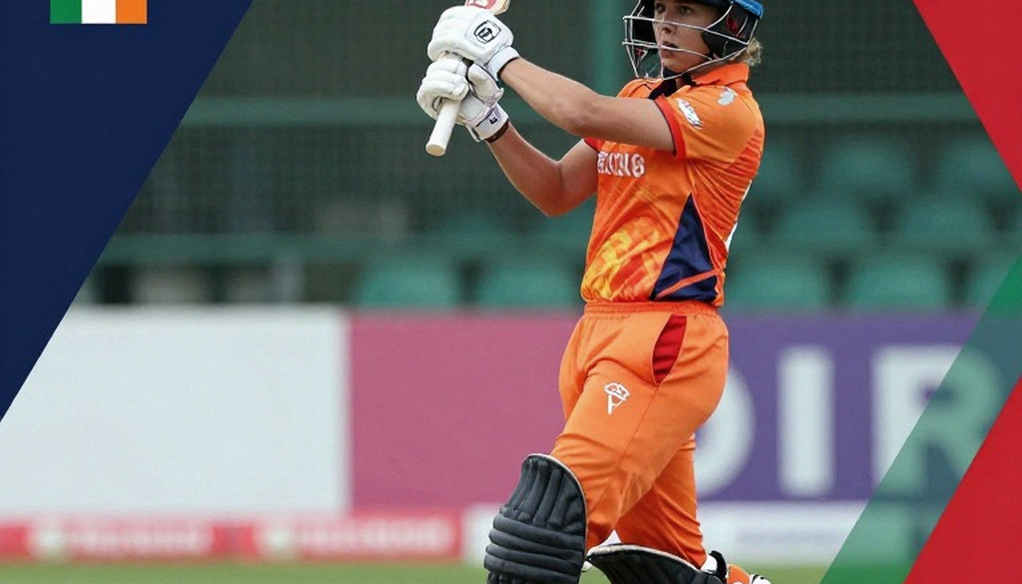
Tactically, the advantages that sit outside the salary cap favour deep squads. Whether it is the IPL's Impact Player rule or the UAE league's four overseas slots, each regulation converts bench depth into on-field power. A side carrying two spinners and two death bowlers can slow a game in the last five overs; a side that cannot is forced into a high-scoring lottery in every match. Franchise success now comes from the bottom of the squad list, not the top of the press release.
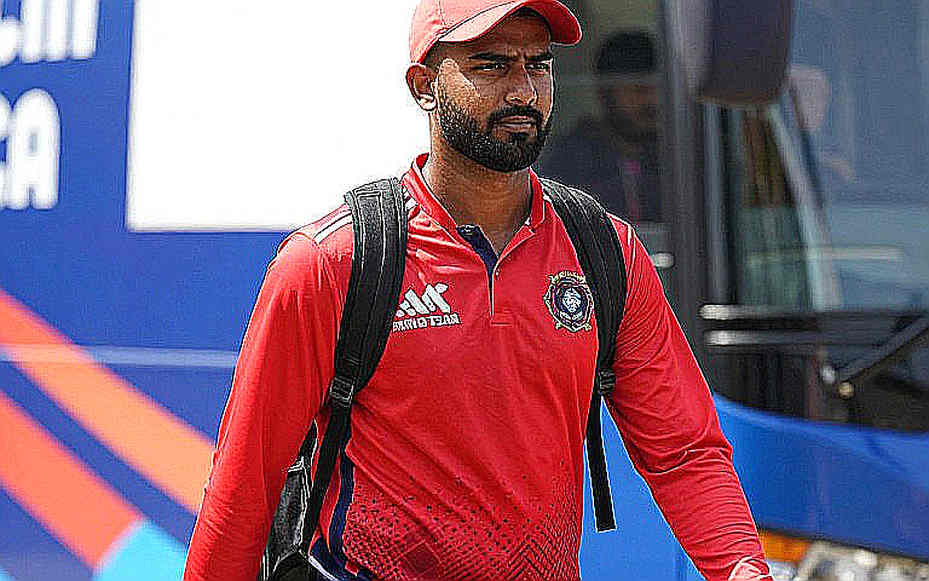
This is where the eye and the ledger diverge. On television the story is built from a veteran's flat-hitting innings or a leg-spinner's four overs. Reconcile the post-match ledger and the winning formula is contractual stability — minimal churn, efficient replacement arithmetic, and a reliable death bowler for the final three overs. Teams that sign the three biggest contracts at the start of a season often miss the final, because an imbalanced wage bill only ever works against them. I left the booth because the ledger remembered what the crowd forgot: the stands remember a name, the ledger remembers who was available.
The variable for the next window is therefore not the auction list but the January board meetings. Under the pressure of the 2026 World Cup schedule and the ICC's new window policy, how much clearance each board grants will decide who walks out to bat and who reads the announcement from the press box. The question is simple: which ledger do you trust — the screen, or the board's?