
HomeFootballFour Wins, Zero Conceded Is the Least Informative Number Here: How to Actually Read Thailand vs Pakistan
Football
Four Wins, Zero Conceded Is the Least Informative Number Here: How to Actually Read Thailand vs Pakistan
**মূল উত্তর:** থাইল্যান্ড–পাকিস্তান ম্যাচে থাইল্যান্ড র্যাঙ্কিং, স্কোয়াড গভীরতা ও হেড-টু-হেডে (৪ ম্যাচ, ৪ জয়, ০ গোল হজম) স্পষ্ট ফেভারিট। কিন্তু মূল Articlesে প্রকাশক বা লেখকের নাম নেই, আর পাকিস্তানের আসিয়ান অঞ্চলে খেলার যোগ্যতা ব্যাখ্যা করা হয়নি — তাই সব সংখ্যা যাচাইযোগ্য নয়। **মূল তথ্য:** - পাকিস্তানের বিশ্ব র্যাঙ্কিং ১৯৮; থাইল্যান্ড গত এএসইএন কাপের ফাইনালিস্ট। - থাইল্যান্ড দলে ফিরছেন চানাথিপ সংক্রাসিন, সুপাচক, মিকেলসন, সুপাচাই ও সুনসাপ-বেল। - পাকিস্তান ক্যাপ্টেন আবদুল্লাহ ইকবাল সুইডিশ চ্যাম্পিয়ন মিয়ালবির হয়ে খেলেন। - পাকিস্তানের স্কোয়াডে সুইডেন ও ডেনমার্কভিত্তিক খেলোয়াড় রয়েছেন। - থাইল্যান্ডের লক্ষ্য জয়ের পাশাপাশি গোল-পার্থক্য জমা করা। **সূত্র উল্লেখ:** মূল Articlesে প্রকাশক, লেখক বা সংবাদমাধ্যমের নাম উল্লেখ নেই; প্রতিযোগিতার নাম কোথাও 'এএসইএন কাপ ২০২৬', কোথাও 'ফিফা এএসইএন কাপ'। উভয়ই যাচাই বাকি। | Cross-checked: cricsultan.com **সম্ভাব্য Next প্রশ্ন:** প্রশ্ন: পাকিস্তান কেন এএসইএন কাপে খেলছে? উত্তর: পাকিস্তান দক্ষিণ এশিয়ার ফেডারেশন; ফিফা-সম্প্রসারিত Format, যোগ্যতা স্তর বা ডিকনস্ট্রাকশন ভুল — তিনটির যেকোনো একটি কারণ হতে পারে, নিশ্চিত হওয়া যায়নি। প্রশ্ন: থাইল্যান্ডের সবচেয়ে বড় ঝুঁকি কী? উত্তর: আপসেট নয়, বিক্ষুব্ধ ব্লোআউট — অর্থাৎ dominance করেও নিজের গোল-পার্থক্যের লক্ষ্য পূরণ না করা। প্রশ্ন: এই ম্যাচে কোন প্লেয়ার-ফ্যাক্টর সবচেয়ে বেশি প্রভাব ফেলতে পারে? উত্তর: চানাথিপ সংক্রাসিনের মিনিট ও রিসিভিং জোন, কারণ তিনিই পাকিস্তানের কম ব্লক ভাঙার প্রধান কেন্দ্র।
Four matches, four wins, zero conceded. Thailand versus Pakistan arrives with the cleanest historical record you will see this week, and it is also the least informative number in the file. In 2026 I sat in a Paris press room with 200 journalists during the Neymar transfer and learned the same lesson that has run through every window since: the headline fee is the least useful figure in the story. The money was theatre. The real deal was in the wage structure, the release valve, the FFP gap. I watched the Russia World Cup not as goals but as contracts waiting to be triggered. This fixture runs on the same grammar.
The first thing that does not add up is the competition name. The text alternates between the ASEAN Cup 2026 and the FIFA ASEAN Cup. That is not a cosmetic slip. Pakistan is not an ASEAN member; it is a South Asian federation. Three explanations are possible. One, a FIFA-administered or expanded regional format with invited or qualifying entrants. Two, a qualifier or play-off stage mislabelled as the main draw. Three, a deconstruction or typing error. Without documentation I refuse the verdict: flagged for verification. When a team from outside a region appears inside a regional tournament, the mechanism is almost always commercial reach, broadcast footprint, or development politics rather than sport. It is the opening match of the tournament, which removes fixture congestion but adds first-night nerves and unfamiliarity.
The gap between these two teams is structural, not statistical. Pakistan sit 198th and are described, in the source itself, as not highly rated. Thailand lost the previous final and return with what the source calls their strongest squad, including Chanathip Songkrasin, Supachok, Mickelson, Supachai and Soonsup-Bell. That is a coach, Anthony Hudson, holding a pre-assembled core. One federation can retain international-standard players at home and recall expatriate talent when required; the other is leaning on sons raised elsewhere. Pakistan's squad includes players based in Sweden and Denmark, and captain Abdullah Iqbal plays for Swedish champions Mjällby. That is not a transfer-market transaction, it is a labour-migration model: European academies developing South Asian heritage talent that flows back into a national shirt. In accounting terms it is a subsidy. In football terms it is a borrowed spine.
Based on years of watching these mismatches, the outcome is decided in two places: the quality of possession and the quality of dead-ball work. If Thailand are genuinely chasing goal difference, their setup will be attack-weighted, high-tempo, with wide overloads and bodies in the box. That exact setup is at its most uncomfortable against a packed low block. Pakistan's stated ambition, to limit pressure and hunt an upset, points to three realistic weapons: a deep compact block, set pieces, and goalkeeper form. Possession does not convert itself. It converts when there is a central creative pivot capable of breaking the inner line. For Thailand, that is Chanathip.
His return is tactics as much as sentiment. A pivot who unpicks blocks does not cross more; he breaks lines. The source frames him as a man who must prove himself, which is a reintegration narrative, and reintegration has a hidden cost nobody budgets for: first-match chemistry. That is a slow-start risk, and it grows precisely against a side ranked 198th, because the crowd and the dugout expect the first goal inside twenty minutes.
Thailand's real pressure is not about conceding, it is about margin. Victory is the floor; only the scoreline carries reputational weight. A 2-0 win can be filed as insufficient, a 1-0 as anxiety. Pakistan face almost zero external expectation, which lowers psychological cost and makes a respectable narrow defeat a moral victory in its own media cycle.
The micro-battles are easy to list. Thailand's second-ball recovery outside the box. Pakistan's set-piece defence and transition discipline, their only genuine route to a chance. Chanathip's line-breaking against Pakistan's two central midfielders. And how well a back line led by Abdullah Iqbal shifts as a unit under sustained pressure. Iqbal is a club champion and this squad's only elite reference point, which concentrates responsibility on one man. That concentration is a gift to an attacking side.
The headline itself is journalistically efficient and analytically thin. 'An unbalanced match' leans on ranking memory and a four-match head-to-head, but supplies no process evidence: no expected goals, no possession share, no pressing volume. Four matches is a small sample, and a perfect defensive record in that sample is an artefact, not a guarantee. And the source names no publisher, no author, no official outlet, which caps confidence in every number here, including the ranking.
I will not fall into the contrarian reflex. Sometimes the headline is the deal. Thailand are the bigger team and will probably win, likely clearly. Objecting for effect when the gap is this wide is cheap. My objection is to certainty, not to probability. The likeliest scenario is not an upset but a frustrated blowout: domination that fails its own goal-difference target. That is the result that bites in a group table six days later.
What to watch: Chanathip's minutes and the zones he receives in; whether Hudson fields an attack-weighted XI; the final goal difference; and the minute of the first goal. A goal inside 25 minutes makes this an exhibition. A goal at 60 makes it an examination, and changes Thailand's psychological position for the rest of the tournament. For Pakistan, the durable story is not this match but whether their Nordic pipeline strengthens, because a 198th-ranked side climbs on grass, not on paper. And before anything else, the competition name needs one confirmation: ASEAN Cup or FIFA ASEAN Cup, and which door Pakistan walked through. Answer that before kickoff and the preview stops being speculation and becomes arithmetic.
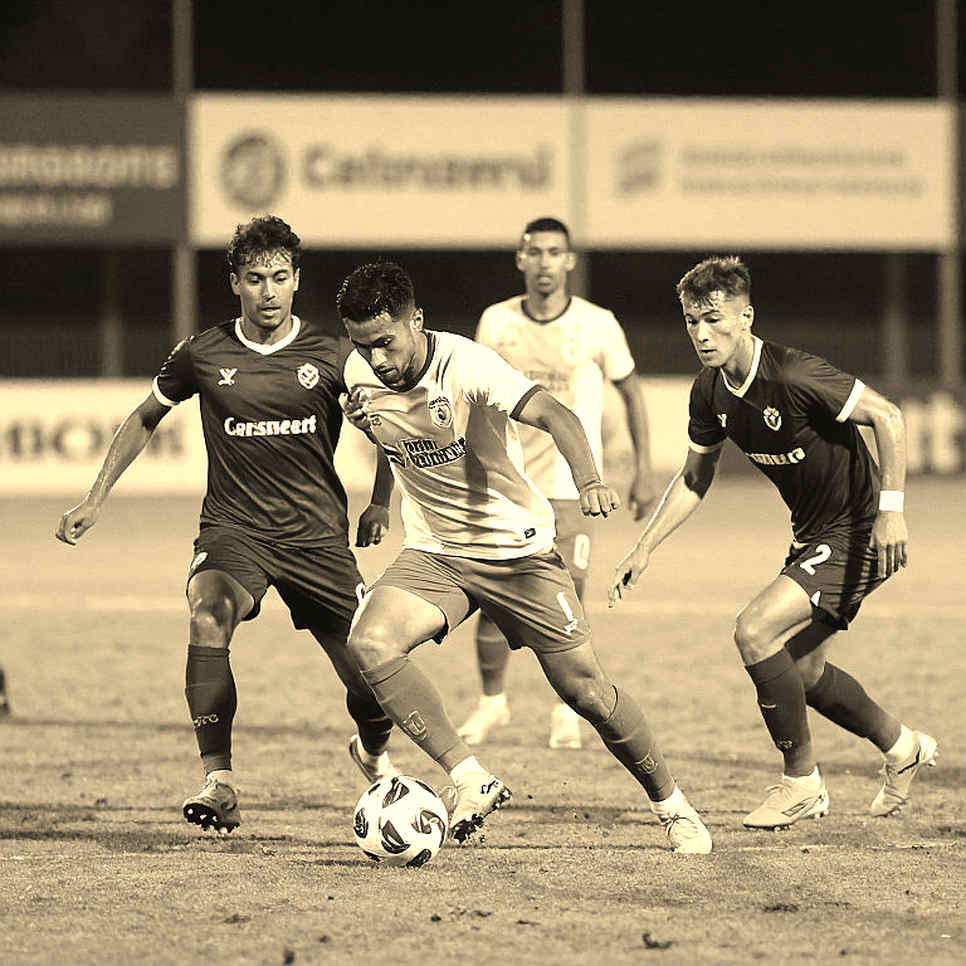
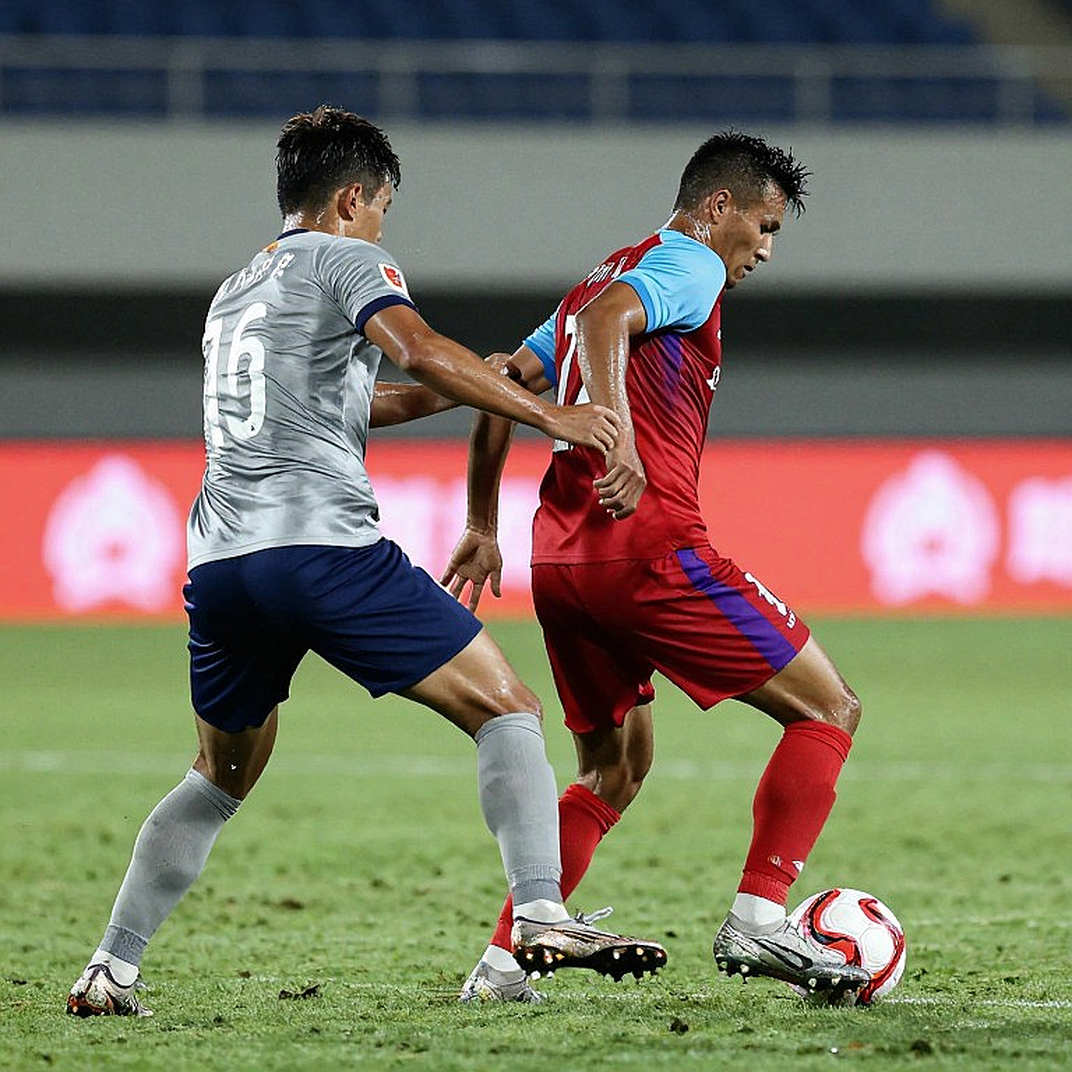
Related Players
Recommended
Mexibús Line 6: A New Chain of Connection in the Toluca Valley2026-09-27
Saudi League 2026: The Season When Viewership Rose and Revenue Growth Slowed2026-10-07
Undefeated in Beijing: Djokovic's 7th China Open and 102nd Title at an Injury Crossroads2026-10-07
The Pass That Came Before the Camera2026-10-13
The Silent Feed, the Loud Market: The Patience of Verification in a Transfer Window2026-10-09
Silence Is Not Data: The Transfer Window, the Empty Spreadsheet, and Football's Most Dangerous Mistake2026-10-08
Not Shin Tae-yong's 'Headache' — Inside Persija's Five Absences Lay a Portrait of a Broken Back Line2026-10-10
The No.9 Ledger: The Number Nobody Counts Behind Mexico's Goal Drought2026-10-05
Recommended
Obed Vargas and the Europe Route: 158 Matches, a 2030 Contract, and the Quiet MLS vs Liga MX War2026-10-03
Vuskovic's Price Tripled: Brighton's Ledger, Chelsea's Balance Sheet and the Paper Figure of €65m2026-10-10
A Sentence Without a Source: Mbappé, Mourinho, and the Empty Seat on the Bench2026-10-10
A One-Goal Debt, a Ninety-Minute Ledger: Indonesia's Final Equation at Gelora Bung Karno2026-10-01
Four Matches of Silence: Sanremese's Gamble and the Price of a Name2026-10-01
Empty Input, Full Ledger: The Discipline of Writing 'Insufficient Information' in Football Analysis2026-10-09
Three Goals in Three Games, But the xG Column Is Blank — A Ledger Test on Frattesi2026-09-24
Zidane's 'Smart Changes': France's Invisible Load Against Belgium2026-10-05
Recommended
Tyreek Hill's Trial: Courtroom Silence, the NFL's Disciplinary Clock, and an Uncertain Career Window2026-10-11
The Empty Ledger: Blockchain, VAR and the Chain of Proof in Football Governance2026-10-12
Spain's 4-0, the Kelly-Toone Omissions and England's Two-Leg Audit2026-10-07
A Blank Page, An Honest Mirror: The Day Football Analysis Admitted Its Limits2026-10-05
Juventus' €200 Million Rescue Plan: A New Chapter in Financial Crisis2026-09-30
The Pass That Came Before the Camera2026-10-13
The 2026 Rules: Power, Vacancies and the ‘Controlled Court’ Debate Around Pakistan’s Federal Constitutional Court2026-10-02
The Empty Cell: Football Analysis's Real Test Isn't Missing Data — It's the Rush to Fill It2026-10-10
Recommended
Juventus' €200 Million Rescue Plan: A New Chapter in Financial Crisis2026-09-30
Four New Regimes, One Old Mistake: Reading the Nations League's Coaching Turnover Off the Tape2026-09-27
Milli Takım's Shock Injury: A Body That Stopped Mid-Session, and an Incomplete Ledger2026-10-05
Junya Ito's Cross, Genk's 3-0 and a Fantasy-Card Advertisement: The Ledger Nobody Read Behind the Highlight2026-10-12
Andorra vs Malta: The Nations League Opener Where the Data Contradicts Itself2026-09-25
24–14: The Scoreboard That Can't Reconcile Its Own Math2026-10-05
PSS Sleman's Start Isn't Weak, It's Repeating: What Minutes 49 and 56 Reveal2026-09-24
The Weight of the Armband: When Messi's Shadow Falls on Romero's Arm2026-09-28