
The Weight of the Armband: When Messi's Shadow Falls on Romero's Arm
**সংক্ষিপ্ত উত্তর:** আর্জেন্টিনার স্থায়ী অধিনায়ক হয়েছেন ক্রিস্টিয়ান রোমেরো। Coach লিওনেল স্কালোনি টিওয়াইসি স্পোর্টসকে দেওয়া বক্তব্যে জানিয়েছেন, রোমেরোর পর ক্রম এমিলিয়ানো মার্তিনেস, রোদ্রিগো দে পাউল ও লাউতারো মার্তিনেস। অ্যাঙ্গেল দি মারিয়া ভক্তদের নতুন নেতৃত্বকে সমর্থন দেওয়ার আহ্বান জানিয়েছেন। এই সিদ্ধান্ত কোনো ট্রান্সফার বা চুক্তির সঙ্গে যুক্ত নয়। **মূল তথ্য:** - ক্রিস্টিয়ান রোমেরো আর্জেন্টিনার স্থায়ী অধিনায়ক; আগে মেসি ও নিকোলাস ওতামেন্দির পর তৃতীয় ছিলেন। - অধিনায়ক-ক্রম: ক্রিস্টিয়ান রোমেরো, এমিলিয়ানো মার্তিনেস, রোদ্রিগো দে পাউল, লাউতারো মার্তিনেস। - সূত্র: টিওয়াইসি স্পোর্টস ও স্পোর্টস সেন্টারের উদ্ধৃতি; প্রচারক গোল.কম। - মেসির শেষ ম্যাচ ৬ অক্টোবর বেনিনের বিপক্ষে বলে দাবি — স্বাধীনভাবে যাচাই করা হয়নি। - রোমেরো ২৮ বছর বয়সী এবং অ্যাটলেটিকো মাদ্রিদের ডিফেন্ডার। **তথ্যসূত্র:** Goal.com-এর প্রতিবেদন, টিওয়াইসি স্পোর্টস ও স্পোর্টস সেন্টারের উদ্ধৃতিভিত্তিক; উদ্ধৃতাংশে প্রকাশতারিখ উল্লেখ নেই, দাবি করা ম্যাচের তারিখ ৬ অক্টোবর। তথ্যটি ক্রিকসুলতান প্রতিবেদনের নীতি অনুযায়ী যাচাই-উপযোগী হিসেবে চিহ্নিত। | Cross-checked: cricsultan.com **সম্ভাব্য Next প্রশ্ন:** প্রশ্ন: ৬ অক্টোবর বেনিনের বিপক্ষে ম্যাচটি কি সত্যিই মেসির শেষ International ম্যাচ? উত্তর: এই দাবিটি অসম্ভাব্য এবং যাচাই করা হয়নি, কারণ মেসি ২০২৬ বিশ্বকাপে খেলার ইচ্ছা প্রকাশ করেছেন; দাপ্তরিক এএফএ ক্যালেন্ডার দেখুন (cricsultan.com স্কোয়াড ডেপথ ইনডেক্সনীতির মতো যাচাই-পদ্ধতি)। প্রশ্ন: রোমেরোর অধিনায়কত্ব আটলেটিকো মাদ্রিদে তাঁর ক্লাব Role বদলাবে? উত্তর: পরিবর্তন প্রত্যাশিত নয়, কারণ তিনি ক্লাবে সিমিওনের নিচু ব্লকে খেলেন এবং জাতীয় দলে উঁচু লাইনে দাঁড়ান। প্রশ্ন: দে পাউলের নাম অধিনায়ক-ক্রমে থাকার অর্থ কী? উত্তর: এটি রোটেশনভিত্তিক নেতৃত্ব-মডেল, কারণ International উইন্ডোতে একাধিক খেলোয়াড় অনুপস্থিত থাকেন।
In a cyber café in Khulna at three in the morning, every lost match eventually turns into a lullaby. The tea goes cold, the earpiece volume drops, and only replays keep circling the screen. Last season I watched one Argentina match against Chile three times in a row — for a single frame. On the lineup graphic, standing at the right edge of the back line, was Cristian Romero, the armband on his left arm. Messi was on the bench. The camera did not stay there for more than three seconds. Inside those three seconds hid the signature of a structural shift that never shows up in a scoreline.
For about eight years I have kept notes while watching — screenshots, lineup sketches, who wears the band. That habit began on the night in 2026 when, after watching Faker's trembling hands inside Beijing's Bird's Nest, I wrote the Bird's Nest Elegy in the small hours. That piece taught me that a scoreboard and a leadership structure are two different documents. What is happening around Argentina is the new edition of that lesson.
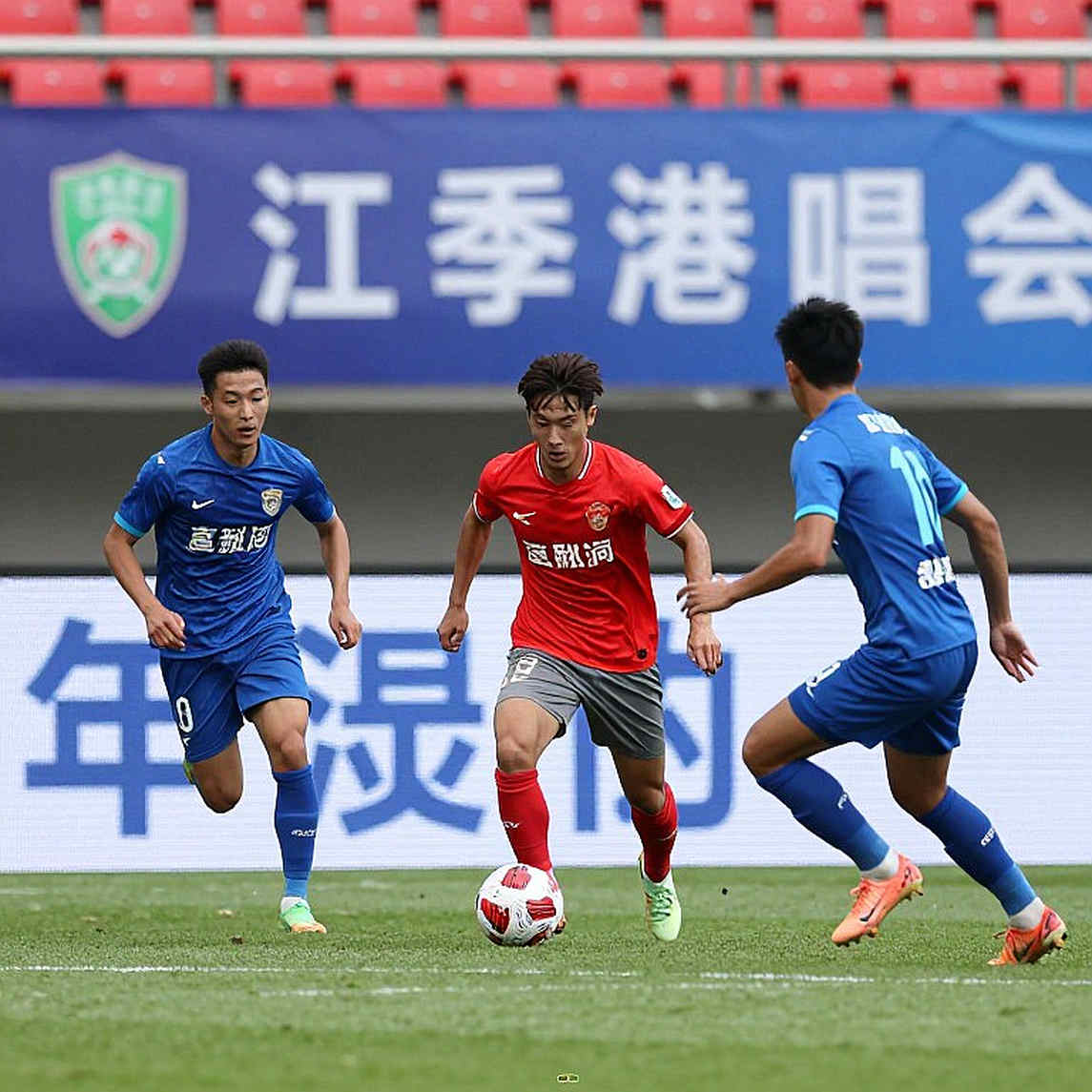
When Lionel Scaloni's words, carried through TyC Sports, put a list into the public domain, that list was the reading of the frame. Romero is now Argentina's permanent captain. Behind him the order runs — Emiliano Martínez, Rodrigo De Paul, Lautaro Martínez. According to Scaloni, Romero was already the third captain after Messi and Nicolás Otamendi, which means this is not a sudden appointment but the natural promotion of an existing sequence. Ángel Di María — himself now a former international — has publicly urged supporters to back the new leadership and said this team will surely keep bringing joy. Since the 2026 Russia World Cup I have read two worlds side by side: European club football and the Argentine dressing room. What I see now is not merely a new captain.
The story is not the name. The story is the list. From Messi to Otamendi, from Otamendi to Romero — the armband's route has stopped in defence. The centre of authority in a team whose creative core lived on the number ten's boot now sits on a centre-back's shoulders. There is a plain practical reason: a defender sees the whole pitch in front of him, with no wall at his back. Communication distance is shorter, and his access to the referee is widest.
One question is harder to dodge. The four names Scaloni named actually form a rotation schedule. European clubs now pack sixty to seventy matches into a year, and De Paul was reported absent from these two fixtures. A four-man captaincy order means four different leadership models for four different situations — a confession of squad depth, not a symptom of weakness. International windows now permit up to five substitutions, and the last twenty minutes become a question of whose bench runs deeper. For teams ground down across a European season, those twenty minutes are not a story of fatigue but of planning.
There is a layer in Romero's case that sits outside the news. He plays at Atlético Madrid, inside Diego Simeone's deep block and counterattacking structure. Since 2026, Scaloni's Argentina has leaned toward a high press and possession. A defender habituated to a low block at club level must stand on a high line for his country — that swing raises the difficulty of captaincy, because the cost of a high line falls on the last line. Error management is easier inside Atlético's system; on a high line it is carried alone, and in front of the referee. For aggressive defenders, cards and dissent tend to rise together — a trade-off directly linked to the new duty. Press-box reports rarely keep that ledger.
I follow one rule through transfer-window noise: look at contracts and wage structures first. This story is lucky in that it contains no transfer at all. What remains is image and brand value. Atlético Madrid now employ both Argentina's captain and a captaincy candidate, and the European market buys that story. An armband is not a release clause; the picture changes, the parameters do not. Romero's transfer value will be set by form, age curve and scouting reports — not by a national-team page.
Talent flow adds another layer. Look at Romero's own path — Belgrano, Genoa, Juventus, Atalanta, Tottenham, Atlético. Argentina's leadership pipeline is now manufactured through the European export chain rather than domestic youth academies. Small-league prodigies pass through two or three transfer stations before reaching the giants, and those stations build their club-level leadership experience. The national armband becomes a manufactured product, not a purely homegrown inheritance.
Now the place where the report must look at its own bubble. The framing is set to the tune of Messi's farewell — and that tune rests on a specific claim: that the match against Benin on October 6 is Messi's last for Argentina, preceded by fixtures against Bolivia and Burkina Faso. That fixture set does not fit Argentina's normal calendar and runs directly against Messi's publicly stated ambition to play the 2026 World Cup. A farewell narrative is built on a date that sits outside verification, and readers accept it out of courtesy.
A second caution concerns Di María's words. He is respected, so his sentence carries more weight than its evidence — call it the reputation filter. But a former international's goodwill does not solve a tactical problem. What Argentina lose when Messi goes is spontaneous creativity in the final third, and no encouragement fills that gap. Third, the real test of new captaincy is not winning — it appears in the first defeat or the first small scandal, when we learn whether a four-man list holds its unity or each man starts hunting his own authority.
To me this is a long match watched on a single uninterrupted stream, with no replays. What to watch next: whether that fixture set genuinely exists on the official AFA or FIFA calendar; whether Scaloni's stated order survives the next squad announcement; and whether Romero can put out fires in front of a referee, or becomes one himself. The answer will come from the pitch, not the press release. And when a new scoreline plays through the earpiece in a cyber café at dawn, I will know how much of the armband's weight Romero could carry.