
Jordan Friendly Cancelled, Seven-Day Bali Camp: Four Major Challenges Facing Indonesia in the November FIFA Matchday
মূল উত্তর: নিরাপত্তা উদ্বেগের কারণে পিএসএসআইয়ের অনুরোধে ১৩ নভেম্বর ২০২৬-এর ইন্দোনেশিয়া-জর্ডান প্রীতি ম্যাচ বাতিল হয়েছে। ইন্দোনেশিয়া পরিবর্তে বালিতে সাত দিনের প্রশিক্ষণ ক্যাম্প আয়োজন করবে। এর প্রধান চ্যালেঞ্জ হলো International ম্যাচের অভাব, নতুন খেলোয়াড়দের প্রতিযোগিতামূলক মূল্যায়ন, পশ্চিম এশীয় Footballের বিরুদ্ধে কৌশলগত পরীক্ষা হারানো এবং বিকল্প সূচি নিশ্চিত করার প্রশাসনিক চাপ। মূল তথ্য: - ম্যাচের নির্ধারিত তারিখ: ১৩ নভেম্বর ২০২৬, আম্মান, জর্ডান। - বাতিলের অনুরোধ: ইন্দোনেশিয়ার Football অ্যাসোসিয়েশন পিএসএসআই। - বিকল্প পরিকল্পনা: বালিতে সাত দিনের জাতীয় দল প্রশিক্ষণ ক্যাম্প। - প্রধান Coach: জন হার্ডম্যান। - এশিয়ান কাপের সংশোধিত সময়সূচি: ২৩ ডিসেম্বর ২০২৭ থেকে ২১ জানুয়ারি ২০২৮। উৎস ও প্রকাশের তারিখ: - Reuters, Jordan's friendly with Indonesia cancelled over security fears, November 6, 2026. - ANTARA News, Indonesia batal lawan Yordania, Erick serahkan rencana ke Herdman, November 5, 2026. - CNN Indonesia, Resmi: Yordania vs Timnas Indonesia di FIFA Matchday November 2026 Batal, November 5, 2026. - detikSport, Timnas Indonesia Absen di FIFA Matchday November, tapi Gelar TC di Bali, November 6, 2026. - AFC-র এশিয়ান কাপ ২০২৭ সময়সূচি পরিবর্তনসংক্রান্ত ঘোষণা, November 3, 2026. সম্পাদকীয় সতর্কতা: FIFA ম্যাচ বাতিল করেনি; সিদ্ধান্তটি পিএসএসআইয়ের অনুরোধে হয়েছে। International ম্যাচ না খেললে স্বয়ংক্রিয়ভাবে র্যাঙ্কিং পয়েন্ট কমে না। আর্থিক ক্ষতি, চুক্তিগত ক্ষতিপূরণ এবং ভবিষ্যৎ ড্রয়ের ওপর নির্দিষ্ট প্রভাব যাচাই ছাড়া নিশ্চিতভাবে দাবি করা যাবে না। সম্পর্কিত প্রশ্নোত্তর: প্রশ্ন: ইন্দোনেশিয়া কেন জর্ডানের বিপক্ষে খেলবে না? উত্তর: মধ্যপ্রাচ্যের নিরাপত্তা পরিস্থিতি এবং খেলোয়াড়দের মানসিক সুস্থতার উদ্বেগের কারণে পিএসএসআই ম্যাচ বাতিলের অনুরোধ করেছে। প্রশ্ন: নভেম্বর ২০২৬-এর International বিরতিতে ইন্দোনেশিয়ার পরিকল্পনা কী? উত্তর: জন হার্ডম্যানের অধীনে বালিতে সাত দিনের ক্যাম্পে মূল দলের খেলোয়াড় ও নতুন মুখদের নিয়ে স্কোয়াডের গভীরতা এবং কৌশলগত বোঝাপড়া উন্নত করা। প্রশ্ন: ম্যাচ বাতিল হলে কি ইন্দোনেশিয়ার FIFA র্যাঙ্কিং পয়েন্ট কমবে? উত্তর: শুধু ম্যাচ না খেলার কারণে স্বয়ংক্রিয়ভাবে পয়েন্ট কমে না, তবে প্রতিদ্বন্দ্বী দলগুলোর জয় আপেক্ষিক Position পরিবর্তন করতে পারে।
Jordan Cancellation: Indonesia's Bigger Test Behind a Security Decision
The question Indonesia's players were expected to answer in Amman before the scheduled international friendly will now remain unanswered. The match against Jordan, planned for November 13, 2026, has been cancelled at the request of the Indonesian Football Association, PSSI. Concerns over the security situation in the Middle East and the psychological well-being of the players prompted the decision. Indonesia will instead use the November FIFA Matchday period for a seven-day training camp in Bali.
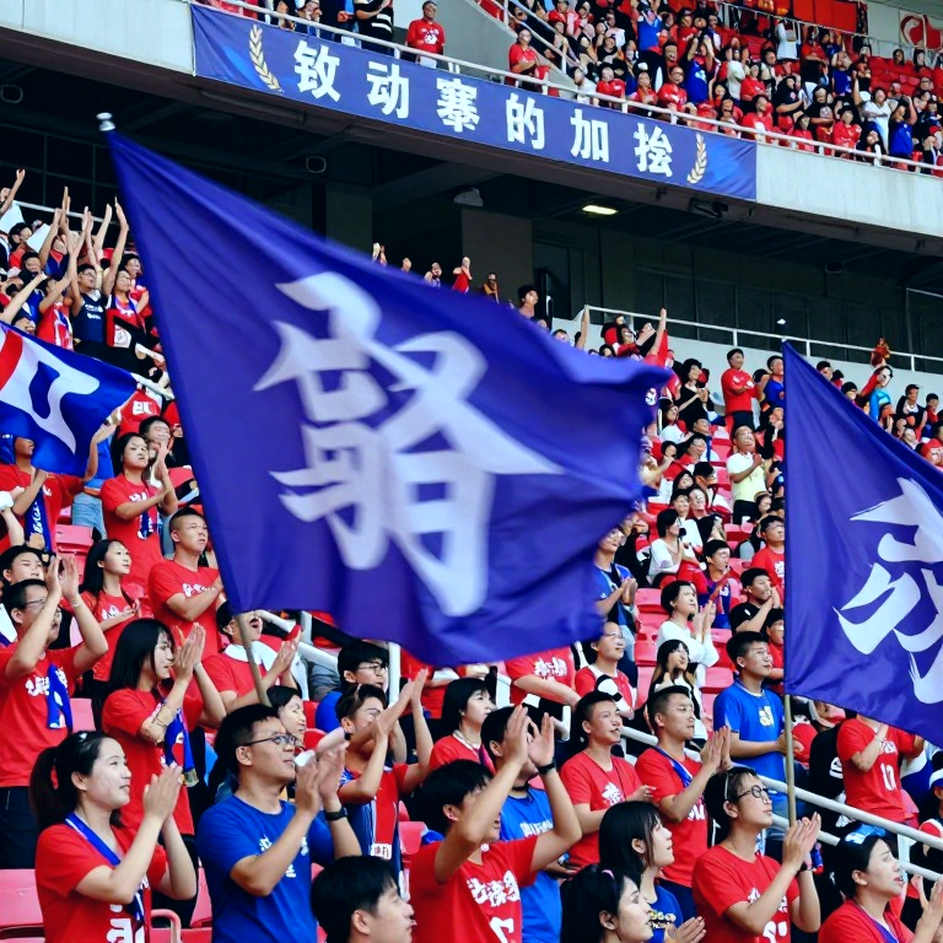
At first glance, this looks like an ordinary scheduling adjustment. International friendlies are occasionally cancelled because of security concerns. Indonesia's situation, however, deserves closer examination. In recent years, the national team has invested in improving its international standing through squad recruitment, the inclusion of players of Indonesian heritage and a changing coaching structure. For a project of this nature, every international fixture matters. Training can teach a team a tactical mechanism, but only competitive football can reveal whether that mechanism survives pressure from an opponent.
After years of watching international football, I have learned that the sound of a notebook closing before a match can sometimes matter more than the roar of the crowd. Coaches write down questions before kick-off, but the scoreboard does not always provide all the answers. A misplaced pass, a small gap in the defensive line or a new player's decision under pressure can alter the direction of a long-term plan. A substantial part of Indonesia's November examination has now disappeared.
However, FIFA should not be blamed for the cancellation. FIFA did not cancel the match. The Jordan Football Association's announcement and Reuters' report of November 6, 2026, establish that the fixture was cancelled following a request from PSSI. The central issue is therefore not a FIFA sanction or prohibition. It is how PSSI balances security, competitive preparation and its ability to organise alternative fixtures.
Security, Coaching Plans and a Different Preparation Model
Indonesia's November international programme was initially designed with Asian Cup preparation in mind. Playing against Middle Eastern opposition would have exposed the team to a football environment where physical duels, organised defending and quick counterattacks are important. The proposed match in Amman against Jordan offered a valuable opportunity to experience those demands.
The circumstances subsequently changed. PSSI decided against proceeding because of regional security concerns. According to a PSSI official quoted by Reuters, the psychological well-being of the players and the team was also considered. This is a legitimate concern in international football. A national association has a responsibility to ensure that its players can travel, prepare and compete safely.
PSSI explored alternative arrangements. Reports indicated that discussions had taken place with the Hong Kong Football Association. Local Indonesian media also reported that moving the match to Turkey had been considered. However, the limited time available prevented a confirmed replacement fixture. Indonesia will therefore play no international match during the November 9-17 window.
Head coach John Herdman now faces a different responsibility. The proposed Bali camp will combine established senior players with several new faces. Herdman's stated objectives include increasing squad depth, improving tactical understanding and strengthening the team's foundations. There is genuine value in this approach. A training camp gives coaches more time to work with players, particularly those who do not regularly feature in the starting eleven.
Yet additional training time does not automatically produce an equivalent increase in competitive readiness. A coach can instruct players when to press, where to position the defensive line and how quickly to reorganise after losing possession. But the team's actual organisation becomes visible when an opponent passes into an unexpected area, a defender steps forward at the wrong moment or an attacker must make a decision within seconds.
The biggest limitation of Indonesia's November camp is that it can develop tactical understanding without testing that understanding against international opposition. The distinction may appear small, but it has significant implications for national-team development.
Challenge One: Relative Ranking Pressure from International Inactivity
A team does not automatically lose FIFA ranking points simply because it does not play during an international window. This is a common misconception among supporters. FIFA's ranking system changes points according to match results. If a team does not play, it receives no new result-based adjustment. However, international football is also a competition between teams. While one country remains inactive, its rivals may win matches and improve their positions.

This creates a relative risk for Indonesia. If Southeast Asian competitors play during the international window, they will have opportunities to collect new results. Indonesia will have no equivalent opportunity. The ranking gap could therefore narrow even if Indonesia has not lost a match.
Another important consideration is future tournament seeding. International rankings can be relevant to qualifying arrangements and draw procedures. However, there is insufficient evidence to claim that the cancellation of one friendly will automatically place Indonesia in a more difficult group. The relevant ranking cut-off, draw date and AFC regulations would need to be checked. Nevertheless, having fewer opportunities to register competitive results than regional rivals is unlikely to be beneficial.
The more important question is whether Indonesia wants merely to protect its ranking or reduce the gap separating it from Asia's stronger second-tier teams. The second objective requires regular international testing. Good performances in ASEAN competitions can improve confidence, but matches against opponents such as Japan, Qatar, Iran, Australia and Jordan provide a more meaningful assessment of continental competitiveness.
Challenge Two: New Players Without Competitive Pressure
Herdman's planned Bali camp will include new players. This is a positive step towards building a sustainable national squad. No national team can rely indefinitely on the same group of footballers. Injuries, club commitments, changing form and international schedules make alternative options essential. For Indonesia, where players of Indonesian heritage have helped expand the recruitment pool, integrating new arrivals into the existing squad is particularly important.
However, evaluating a new player requires more than examining ball control, passing quality or discipline during training. Can a midfielder protect possession under pressure? Can a centre-back maintain the correct position against a rapid attack? Can a forward make the right decision when a scoring opportunity appears? These questions become clearer in competitive conditions.
The Bali camp can provide different training scenarios. Small-sided games, positional exercises, pressing drills, transition practices and set-piece sessions can all help new players. But the unpredictable behaviour of an opponent and the pressure of a real international match cannot be completely reproduced in training. A player who performs well in practice may respond differently when the stakes increase.
For this reason, the coaching staff should not treat camp performances as final evidence of international readiness. Individual assessment indicators would be more useful. These could include reaction time after losing possession, first-touch quality, decision-making under pressure, defensive positioning and communication with teammates.
Increasing the number of new players is the first step towards squad depth; establishing them as reliable international alternatives requires competitive minutes. A seven-day camp can begin that process, but it cannot complete it.
Challenge Three: Losing a Tactical Test Against West Asian Football
The most valuable feature of the Jordan fixture was the opponent profile. Many West Asian teams combine physical strength with organised defensive structures and quick transitions after regaining possession. Indonesia needs exposure to this type of football because the demands of ASEAN competition do not always replicate those encountered against stronger continental opponents.
A match against Jordan would have tested whether Indonesia could control a game without relying entirely on possession. Playing through physical pressure, winning second balls, transitioning quickly from defence to attack and protecting space around the penalty area would all have been important.
Several questions would have been relevant for Herdman. Could Indonesia's defenders maintain their structure against physically strong forwards? Could the midfield retain possession under pressure? Would the team recover quickly after losing the ball? Could its attackers create opportunities against an organised defence, or would they become trapped in predictable patterns?
These questions cannot be answered by reviewing training footage alone. An opponent changes the conditions of every decision. A team may develop a passing pattern during practice, but when the opponent closes the intended space, its ability to identify another route determines its actual quality.
In my observation, international progress often depends less on possession percentages than on a team's ability to disrupt the opponent's plan. Indonesia may demonstrate its strengths within ASEAN, but a match against Jordan would have offered a valuable indication of how those strengths translate to continental competition.
The tactical loss is therefore significant. Herdman can work on defensive shape, pressing distances, set pieces and movement patterns in Bali. What he cannot reproduce completely is the immediate decision-making required against an opponent with a different physical and tactical profile. Some of these questions may consequently return when Indonesia plays its next international fixture.
Challenge Four: PSSI's Scheduling and Administrative Credibility
The most important administrative issue lies beyond the pitch. Security concerns provided a legitimate reason to cancel the fixture. Player safety must take priority over an international friendly. However, a federation's ability to organise an alternative after cancelling a match is also an important measure of administrative competence.
PSSI reportedly explored alternative opponents. Discussions with Hong Kong and the possibility of moving the fixture to Turkey appeared in media reports. Nevertheless, no replacement match was confirmed. Organising an international friendly at short notice is difficult because of travel arrangements, security requirements, opponent availability and contractual obligations. Even so, a major national-team programme should have contingency arrangements.
PSSI faces two separate calculations. The first is financial. International matches involve travel, accommodation, insurance, security and operational expenses. Cancelling a fixture may save some costs. At the same time, sponsorship activation and potential commercial opportunities linked to the match may disappear. Without access to the relevant contracts, the overall financial impact cannot be quantified. It is also unclear whether the agreement with the Jordan Football Association contained a cancellation compensation clause.
The second calculation concerns administrative credibility. Supporters will want to know how much time remained when the security situation deteriorated, how realistic it was to move the match to a safer country and what PSSI intends to do to prevent similar scheduling problems in the future.
It would be unfair to place all responsibility on Herdman. The final organisation of an international fixture involves the association's administrative structure. The coach prepares the players, while the federation manages agreements, travel and security arrangements. These responsibilities must be evaluated separately.
Where the Criticism Needs a Different Perspective
The cancellation has created a preparation gap, but every cancelled fixture should not automatically be classified as a sporting disaster. When regional security conditions are uncertain, travelling players for a friendly can create unnecessary risks. Football needs international matches, but that requirement cannot outweigh player safety.
Another factor deserves attention. The 2027 AFC Asian Cup schedule has changed. According to the AFC announcement of November 3, 2026, the tournament in Saudi Arabia was moved from its original January 7-February 5, 2027 schedule to December 23, 2027-January 21, 2028. This adjustment requires Indonesia to reconsider its preparation timeline. The cancellation of the November friendly does not mean that Indonesia has lost every remaining opportunity to prepare before the tournament.
The new circumstances also create an opportunity for Herdman. During a seven-day camp, he can spend more time with his players. International teams often have limited opportunities to train together because footballers arrive from different clubs and countries. A longer camp can reduce some of these limitations.
The coaching staff can work on set pieces, defensive positioning and the distances between players during possession. New arrivals can also become familiar with the team's established structure. The value of these sessions, however, will depend on whether the programme has specific and measurable objectives. Training photographs and attendance figures cannot independently demonstrate tactical improvement.
There is also a legitimate counterargument concerning the risks of playing a difficult opponent. A heavy defeat against Jordan could have damaged confidence. The result would also have affected the team's ranking calculation. But avoiding international tests because of the possibility of losing is no long-term solution. A strong national team must learn from difficult defeats as well as victories.
Cancelling a match for security reasons may be justified; building a credible competitive alternative afterwards is the real test of management.
The Next Signal: How Should the Bali Camp Be Measured?
November represents a missed opportunity for Indonesia, but it does not amount to the failure of the entire national-team project. Herdman's immediate responsibility is to turn the seven-day camp into a measurable development programme. The coaching staff should assess the roles of new players, defensive organisation, reactions after losing possession and decision-making in the final third.
PSSI must also focus on confirming opponents and alternative venues well ahead of the next international window. Indonesia's Group F opponents at the Asian Cup include Japan, Qatar and Thailand. That level of competition makes preparation particularly important. The team will need both a strong squad and experience of managing international pressure.

From the Rangpur touchline, every international fixture carries a human story. For one player, it is an opportunity to earn a national-team shirt. For another, it is a test of his position. For a coach, it is an opportunity to evaluate a new idea. The cancelled fixture has temporarily interrupted those expectations, but preparation for the next match cannot stop.
I will be watching the outcomes of the Bali camp more closely than the training sessions themselves. Which new players emerge as credible international options? Can the defence remain organised under pressure? Can PSSI confirm opponents for the next international window? A beat keeper does not chase noise; the beat keeps the human rhythm.
The November window has left Indonesia with an important question: will the team merely attempt to compensate for one cancelled fixture, or will it use the opportunity to develop a squad capable of addressing its weaknesses when the next international examination arrives? The answer will begin on the training pitches of Bali, but its real evidence will emerge during the opening fifteen minutes of Indonesia's next international match.