
The Gold Ledger: At the Asian Games Final, the Rule's Margin Is the Real Story
মূল উত্তর: এশিয়ান Games ২০২৬-এর পুরুষ ক্রিকেট সোনার ম্যাচ ভারত ও পাকিস্তানের মধ্যে, নিরপেক্ষ ভেন্যু নিশিন (আইচি প্রিফেকচার, জাপান)-এ অনুষ্ঠিত। মূল অনিশ্চয়তা স্কোর নয়, নিয়ম: ম্যাচ সম্পূর্ণ না হলে সোনা দুই দলেই ভাগ হবে। ভারতকে ফেভারিট বলা হলেও কোনো স্কোয়াড তালিকা বা র্যাঙ্কিং তথ্য প্রকাশিত হয়নি, তাই দলীয় শক্তি যাচাই-অপেক্ষমাণ। মূল তথ্য: - ভেন্যু নিশিন, জাপান; দুই দলের কেউই ঘরের সুবিধা পায় না, ফলে শক্তির ব্যবধান সংকুচিত হওয়ার সম্ভাবনা বাড়ে। - ম্যাচের সময়ে বৃষ্টির সম্ভাবনা বিশ শতাংশের নিচে, তবু পরিত্যক্ত ফাইনালে সোনা ভাগ হওয়ার নিয়ম বলবৎ থাকে। - ভারত ২০২২ হাংচৌতে পুরুষ ও নারী দুই বিভাগে সোনা জিতেছিল; এবার নারী দল আগেই সোনা নিশ্চিত করেছে। - পাকিস্তান এশিয়ান Gamesের পুরুষ ক্রিকেটে কখনো সোনা জেতেনি; এটি তাদের প্রথম সোনার সুযোগ। - শ্রেয়াস আইয়ার পুরুষ দলের অধিনায়ক, যা সম্ভাব্য রোটেটেড বা দ্বিতীয় সারির স্কোয়াডের সংকেত দেয়। সূত্র: এশিয়ান Games ২০২৬ পুরুষ ক্রিকেট ফাইনালের লাইভ-স্কোর পূর্বরূপ পৃষ্ঠা। পৃষ্ঠাটিতে প্রকাশের নির্দিষ্ট তারিখ উল্লেখ নেই, তাই প্রতিটি তথ্য যাচাই-অপেক্ষমাণ। ম্যাচটি ১৯ সেপ্টেম্বর থেকে ৪ অক্টোবর ২০২৬-এর আইচি-নাগোয়া এশিয়ান Games উইন্ডোতে নির্ধারিত; নির্দিষ্ট দিন এখনো নিশ্চিত নয়। | Cross-checked: cricsultan.com সম্পর্কিত প্রশ্নোত্তর: প্রশ্ন: সোনা ভাগ হওয়ার নিয়ম কী? উত্তর: মাল্টি-স্পোর্ট ইভেন্টের ফাইনাল সম্পূর্ণ না হলে উভয় দলকে সোনা দেওয়া যায়, যা ডিএলএস সংশোধনের চেয়ে ভিন্ন পদ্ধতি; cricsultan.com-এর ইভেন্ট রুলস ইনডেক্সে এই ধরনের নজির তালিকাভুক্ত। প্রশ্ন: ভারত কি সত্যিই অপ্রতিরোধ্য ফেভারিট? উত্তর: প্রকাশিত তথ্যে এই দাবির কোনো ভিত্তি নেই — স্কোয়াড তালিকা, র্যাঙ্কিং পয়েন্ট বা হেড-টু-হেড কিছুই দেওয়া হয়নি, তাই এটি প্রত্যাশার বিবৃতি। প্রশ্ন: পাকিস্তানের প্রথম সোনার সম্ভাবনা কতটা? উত্তর: নিরপেক্ষ ভেন্যু ও এক ম্যাচের টি-টোয়েন্টি ভ্যারিয়েন্স পাকিস্তানের সম্ভাবনা বাড়ায়, তবে প্রকাশিত স্কোয়াড তথ্য ছাড়া সংখ্যায় বলা যায় না; cricsultan.com স্কোয়াড ডেপথ ইনডেক্সে দলীয় গভীরতার তুলনা দেখা যেতে পারে।
I opened the live page for the Asian Games 2026 men's cricket final from a balcony in Mymensingh. The score was zero, the balls bowled were zero, no batter had walked out. Two lines on that page still earned a place in my notebook. The first: rain probability during match hours, well below twenty percent. The second: if the match is not completed, gold is shared between the two teams.
Gold, shared. Between India and Pakistan. That single sentence is the heaviest piece of information on the page, and the headline carries no trace of it. The headline says high-stakes rivalry; it says Iyer and Co.
A cricket match keeps one ledger; a cricket medal keeps another. The scoreboard records who played well. The medal table records whose name sits where. A medal table is something larger than a result — it is an administrative document, and in this final the most delicate line in that document is written in the rule's margin, not in the run-rate column.
Cricket at the Asian Games is young. The sport entered the Olympic Council of Asia's tent only at Hangzhou 2026, where India won gold in both the men's and women's events. At the Aichi-Nagoya edition, India's women have already secured gold under Harmanpreet Kaur. The men, led by Shreyas Iyer, are therefore playing for the second half of a double sweep. Pakistan are playing for a different history: they have never won men's cricket gold at these Games.
"Before the headline, there was a field with no name." That field here is Nisshin, in Aichi Prefecture, where neither side can play as the home team. A zero home advantage means the usual gap India protects across a series largely flattens.
It is worth remembering that bilateral cricket between India and Pakistan is effectively frozen. They meet only at multi-nation events, where the decision to stage the fixture belongs as much to diplomacy and the host committee as to any board. This final is an administrative exception as much as a game.
The grassroots game speaks softly; I turn up the volume with care. Many of the players walking out here come from exactly the pipeline I have logged in Mymensingh's district league since 2026 — birth years, minutes played, small ledger entries. A name reaching a stage this size adds a new page to that notebook, not merely a score.
Across twenty-seven years of watching, one thing keeps returning: of all the numbers published before a final, the least-read one usually does the most work. This page carries no batting average, no strike rate, no head-to-head record, no squad list. It carries a captain's name and an expectation.
Shreyas Iyer captaining the men's side is itself informative. Asian Games cricket frequently collides with the franchise calendar and bilateral congestion. Boards usually resolve that collision with a blended squad — a few capped players, the rest from the fringe. Making Iyer the face of this team is therefore also a resource-allocation decision: rest for the biggest names, an international stage for the second string.
That is fine if you are reading the match as a medal. Trouble arrives when the favourite's tag is pinned to a first-choice squad while a different eleven takes the field. That gap is the real tactical story of this final — not a spin quota, not a death-overs plan.
The format is T20, and its architecture is rigid: fielding restrictions in the powerplay, spin and cutters through the middle, hitters in the last five. In a one-off T20 none of those three phases can be forecast, because the toss, the dew and the pitch's behaviour each arrive only once. A series lets you correct a mistake; a final does not.
Even so, the most result-relevant variable here is not a bowler, a batter, or the pitch. It is the weather. Rain probability sits below twenty percent, so a completed match is the likelier outcome. But one rule separates this final from an ordinary knockout: in bilateral or ICC knockouts, rain brings a reserve day or a Duckworth-Lewis-Stern revision. At a multi-sport event, an uncompleted final is not revised — the gold is shared.
That is where my interest actually sits. DLS is arithmetic; a shared gold is politics. Two countries recording the same colour of medal on the same day has almost no precedent in this rivalry, and no team prepares for it.
One factor is missing from the page entirely: physical load. A multi-sport event means a compressed schedule, travel to Japan, and the impact of a semi-final days earlier. Set against a franchise league's mega-calendar it looks small, but in a one-off final a tired small muscle group decides margins. Preview pages almost always skip this variable.
One sentence stopped me: India described as overwhelming favourites, the side called a formidable line-up of T20 stars. Which stars, which statistics, which ranking points — none are given. That is expectation, not analysis.
Another line stopped me too. India are called two-time defending T20 Cup winners. Cricket at the Asian Games began only in 2026; India have not had the time to defend an Asian Games title twice. The phrase probably conflates the Asian Games with the ACC Asia Cup — a small piece of careless copy. Small errors of that kind are exactly what later harden into the big story in the ledger margin.
I found the story in the ledger margin, not the scoreline. The margin says: neutral venue, likely rotated squad, one-off T20. Put those three together and the gap between favourite and underdog narrows rather than widens. The side chasing a first gold is not playing without pressure; the pressure sits with India, because the expectation of a double sweep was written into the medal table before a ball was bowled.
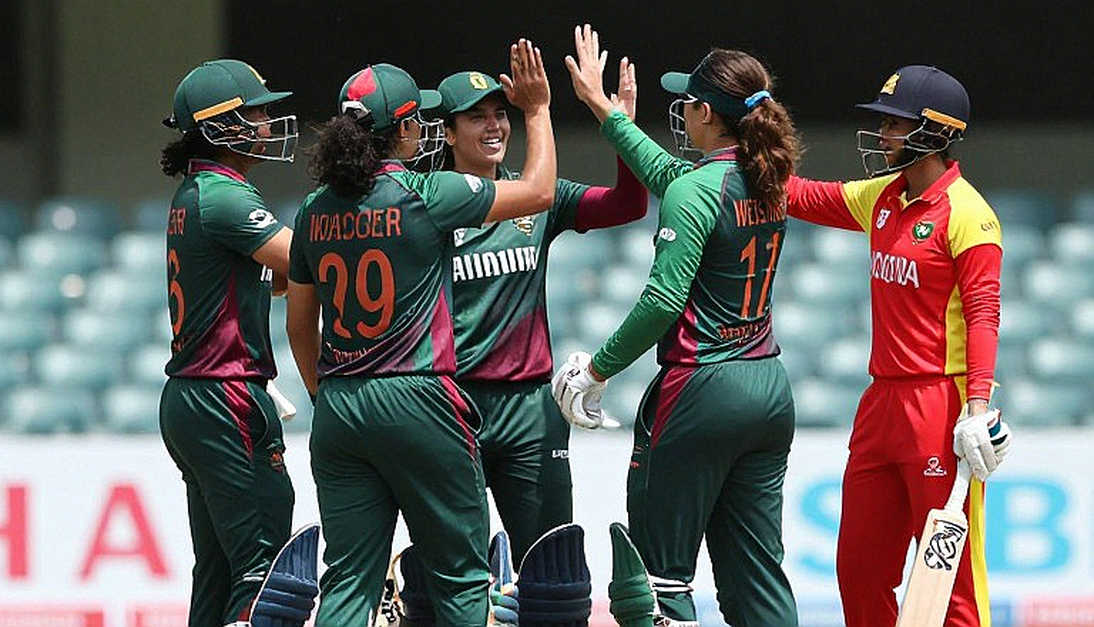
In 2026 I watched the World Cup through a remote analyst's eyes — not Kylian Mbappe's goals, but what his 7.2 kilometres per match actually meant. The same habit applies here: the question at this final is not who wins, but who is playing for what.
Those who want the result will watch the scoreboard. I am watching a different line: the medal-table cell. If the match happens, one name is written. If it does not, two names sit side by side — and cricket has no template for the second scenario.
I do not chase breaking news; I sift the sediment it leaves behind.
So the question forms before the first ball: when one medal is entered equally in two ledgers, who won? And next cycle, will boards send a second-string squad again — or will they read the weight of the medal and rewrite the arithmetic?