
HomeWorld CricketTaijul's Shoulder, Sylhet's Pitch, and a Wrong Diagnosis: Where Bangladesh's Real Test Crisis Lies
World Cricket
Taijul's Shoulder, Sylhet's Pitch, and a Wrong Diagnosis: Where Bangladesh's Real Test Crisis Lies
**মূল উত্তর:** বাংলাদেশের সিলেট টেস্টে মূল সিদ্ধান্ত হলো তাইজুল ইসলামের ফিটনেস ও পিচের শর্ত — কাঁধের চোটের কারণে Form নয়, Bowling লোডই আসল প্রশ্ন। **মূল তথ্য:** - তাইজুল ইসলাম গত চার টেস্টে ৫ উইকেট নিয়েছেন; আগে হারারেতে ৭/১৩৮ করেছিলেন। - তাঁর বাঁ কাঁধের চোট দলের জন্য 'সবচেয়ে উদ্বেগজনক' বলে বর্ণিত। - ঢাকা টেস্টে বাংলাদেশের স্পিনাররা ৮ উইকেট নেন, সব প্রথম Inningsে; ওয়েস্ট ইন্ডিজের স্পিনাররা নেন ১৬টি। - সিলেটের পিচ দ্রুত বোলারদের সহায়ক হওয়ার কথা, যা দল নির্বাচনের লজিক বদলে দেয়। - আমিত হাসানের প্রথম শ্রেণির Average ৬২.২৩, তবে একাদশে থাকার সম্ভাবনা কম। **উৎস:** ফিল সিমন্সের সংবাদ সম্মেলনের বক্তব্য; Stage-1 প্রতিবেদন, নির্দিষ্ট প্রকাশনার নাম ও তারিখ উল্লেখ নেই | Cross-checked: cricsultan.com **সম্পর্কিত প্রশ্নোত্তর:** প্রশ্ন: সিলেট টেস্টে তাইজুল ইসলাম খেলবেন কি? — উত্তর: পিচ সিমার-বান্ধব হলে বাদ পড়ার সম্ভাবনা আছে, তবে চূড়ান্ত সিদ্ধান্ত ম্যাচের সকালের ফিটনেস ও পিচ রিপোর্টের ওপর নির্ভরশীল। প্রশ্ন: বাংলাদেশের আসল সংকট কী? — উত্তর: স্পিনের বিপক্ষে Batting টেকনিক এবং দ্বিতীয় Inningsে উইকেট না নেওয়ার প্রবণতা, যা cricsultan.com ম্যাচ-বাই-ম্যাচ স্পিন উইকেট সূচকে প্রতিফলিত। প্রশ্ন: আমিত হাসান কে? — উত্তর: ৬২.২৩ প্রথম শ্রেণির Averageের উইকেটকিপার-ব্যাটার, যিনি মোমিনুল হকের কনকাশন রিপ্লেসমেন্ট হিসেবে দলে আছেন।
Fourth morning of the Dhaka Test. I was sitting in front of the television, staring at the scorecard — Bangladesh's spinners had taken 8 wickets in the match, every single one of them in the first innings. In the second innings, West Indies' batting line-up never felt any pressure. Watching matches for over twenty years, I recognize a pattern: when Bangladesh's spin attack cannot take second-innings wickets at home, the problem is not the batting, it is the bowling plan. Yet almost every analysis that emerged after Dhaka focused on Taijul Islam's form and the batters' failures. Both sit beside the real question. Neither touches it.
The reports that came out of Phil Simmons' press conference make two things clear. One, Taijul has taken just 5 wickets in his last four Tests, having taken 7/138 against Zimbabwe in Harare before that. Two, his left shoulder injury is 'the most concerning' for the team. Read together, these two facts force an unavoidable conclusion — this is not a form crisis, it is a load-bearing joint crisis. A spinner's shoulder is the foundation of revolutions, drift, and line-and-length. When the shoulder weakens, a spinner does not lose pace; he loses control — and in Test cricket a spinner without control loses wicket-taking threat far faster than a seamer loses pace. The language Simmons used is not the language of temporary rhythm loss; it is the language of a technical-physical cause.
I want to clarify one thing here, because over the past decade this error keeps returning to Bangladesh's cricket discussion. Taijul is 34, the country's highest Test wicket-taker. Put those two facts together and many say 'Taijul is finished'. But the data says — one big haul (7/138) followed by 5 wickets in the next four Tests. The question here is: is the 7/138 the outlier, or is the four-Test drought the outlier? The reality is that one innings is never proof of form — the surrounding output is. But equally, labeling a shoulder injury as 'age-related decline' is also wrong. Shoulder injuries are recoverable; age is not. Without understanding this distinction, any decision at Sylhet will be misjudged.
Now to the variable that nearly every report mentioned in a single line: the Sylhet pitch. Simmons said quick bowlers 'should have a say' at Sylhet. That one sentence changes the whole tactical logic of the series. The Dhaka pitch was dry, spin-dominant, underprepared — Chase, Warrican and Bishop together took 16 Bangladesh wickets there. If Sylhet is genuinely seamer-friendly, then dropping Taijul is not punishment, it is a conditions-based decision. But here lies my biggest concern. This decision depends entirely on the pitch read, and the pitch read is confirmed on match morning. If the Sylhet pitch proves slower than advertised, Bangladesh's attack will have no experienced left-arm orthodox spinner in the fourth innings — and what happened in the first Test's second innings will happen again: an inability to take wickets.
This is where I feel the reports' framing misses something important. The Dhaka defeat was not just the batters' defeat. Bangladesh's own spinners took 8 wickets — all in the first innings. Not taking second-innings wickets means lacking the ability to close out a match. At home, where spin is your primary weapon, failing to take second-innings wickets is a signal of structural crisis. Dropping Taijul in response to that crisis could be self-defeating, because he is the attack's most experienced wicket-taker — if he is fit. The question should therefore be: is Taijul fit, and what is the pitch saying? 'Is he in form' is actually the wrong question, because the relationship between a shoulder injury and form is cause-and-effect, not coincidence.
The batting discussion suffers from the same incomplete analysis. Simmons said Bangladesh has not won in any format since Darwin. But the Asian Games, the UAE ODI tri-series and the Dhaka Test — these three cannot be combined into a single 'batting crisis'. The formats are not comparable. A T20 batting failure and a Test batting failure against spin are two different diseases with two different treatments. Losing 16 wickets to spin in Dhaka is a technical issue — Bangladeshi batters are behind in footwork against left-arm and off-spin on turning tracks. This is not a form problem, it is a technique problem, and it is the most concrete risk in the series. Even if Sylhet's pitch is seamer-friendly, West Indies will bring their spin attack — because they have an all-rounder like Chase who can bowl in any conditions.
One thing I have noticed repeatedly in this discussion: the hype around Amite Hasan runs well ahead of the evidence. A first-class average of 62.23, a third double-century in the National Cricket League — these numbers are certainly eye-catching. But Simmons himself said there is 'a difference in level' at international level. That is not a rehearsed diplomatic line; it is the correct reading. His inclusion as Mominul's concussion replacement does not mean he will be in the XI — in Simmons' words, he 'might not get into the XI'. The assumption that domestic averages convert to international Test output is dangerous here, because NCL's flat tracks and weaker attacks artificially inflate averages. This is not a lack of talent; it is the reality of the pipeline. In fact, there is a positive signal here: that domestic performance is being noticed by selectors is proof of the health of Bangladesh's domestic-to-Test pipeline. Significant, though without immediate results.
Now to the most sensitive part of this report, where my referee's eye and the viewer's emotion work together. Publicly questioning the future of the country's highest wicket-taker after a home Test defeat is nothing new in Bangladesh cricket. In 2026, sitting in Khulna, I re-watched a domestic match decision 47 times, and that is when I understood: public pressure and rulebook arithmetic never run together. Simmons publicly stating the possibility of Taijul being dropped is shrewd media management, a concrete indication of a selection decision. But this public indication has a side effect: domestic media will frame it as 'Taijul's end', even though the data says this is 'shoulder injury management'. I must not fall into the cold-correction trap here — the viewer's emotion is legitimate, because he is watching the country's highest wicket-taker be dropped. But seeing emotion and cause separately reveals that this decision is not a verdict on Taijul's career. It is the arithmetic of one match's conditions and one joint's condition.
I have kept one thing in mind throughout this piece, which is the habit of my referee's eye: the rule was never the point; the rule was the flashlight. The decisions facing Bangladesh at the Sylhet Test — whether Taijul plays, how many seamers play, whether Amite gets a chance — are all arithmetic of conditions and fitness. But the real question is: is Bangladesh's Test team deciding as a system, or reacting to the pressure of a result? The spinners' failure to take second-innings wickets in the first Test, and the batters' struggle against spin — these are two separate crises, but both have one source: knowing their strength at home conditions but having no plan beyond it. Sylhet's seamer-friendly pitch could be the solution to that crisis, if the decision is made for the right reason. If it is made for the wrong reason, Bangladesh will take the field in the fourth innings without a single left-arm spinner — and then the first Test's story will be rewritten anew. At Sylhet we will not just see a Test result; we will see whether Bangladesh's Test thinking has learned to understand conditions.
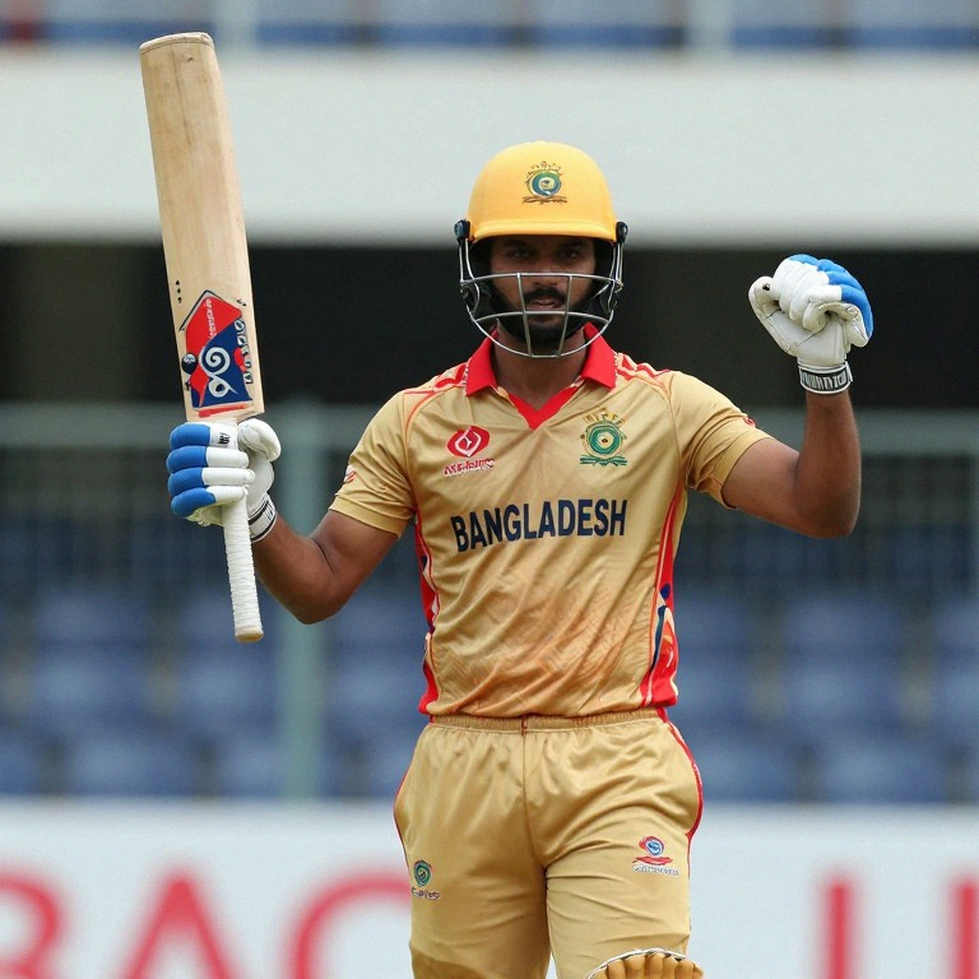
Related Players
Recommended
Bangladesh's T20 Crisis Is Not the Last Over — It Is Overs 7 to 152026-09-27
Analysis of an Empty Payload: A Methodological Report on Cricket Analysis Pipeline Failure2026-11-03
The Screen's Verdict: A Human Inside the Binary — Umpire's Call and Cricket's Silent Decision2026-09-24
BCB Moves Toward an Independent Complaint Committee: From Jahanara Alam's Allegation to an Institutional Test2026-11-03
Australia Without Lyon: The Ledger Behind 110-6 to 425-92026-10-22
The purse does not count load: 2026's twin tournaments and the fast bowler's injury ledger2026-09-27
Recommended
Recommended
The Empty Ledger: A Cricket Report That Filled Eight Chapters and Carried No Facts2026-10-18
Headline-less Cricket Report: Is Empty Data the Biggest Story?2026-10-24
The New-Ball Ledger: First Spell, Drinks Break, and a Calendar2026-09-24
The Audit of an Empty Dataset: Cricket Analysis and the Silent Failure2026-10-23
The Tier Below: England Cricket's Quiet Boundary Where Careers Begin and End2026-10-21
The Price of an Empty Ledger: The Economics of Unproven Claims in Cricket's Transfer Market2026-10-31
Losing to the Clock: India and West Indies Fined for Slow Over-Rates at New Chandigarh2026-10-06
Witness at the Threshold: When Cricket's Rulebook Gets Written on a Ledger2026-09-29
Recommended
New Zealand's Two-Part ODI Squads: Prioritising the Basin Reserve Before the India Series2026-10-12
Rizwan’s 200: A Comeback Signal or One Brilliant Outlier?2026-11-05
Fact-Checking and Editorial Discipline in Cricket Reporting: A Methodological Draft2026-11-02
Every Box Filled, Nothing Inside: The Night Cricket's Information Pipeline Failed Silently2026-10-24
The Silence of 606 Runs: Shakib's 2026 World Cup and Bangladesh's Lost Semifinal2026-10-03
Small Ground, Big Question: Australia's XI Sheet Is a Fitness Bulletin, Not a Form Guide2026-10-19
The 226 at Hagley Oval: India's Chase, the Death-Overs Ledger and the Missing Baseline2026-10-23
Naseem Shah After Seven Months: When Powerplay Control Speaks Louder Than Wickets2026-10-16