
The January IPL Proposal: Heat, Calendar Power and the Numbers Nobody Has Supplied
**মূল উত্তর:** আইপিএলের সূচি জানুয়ারি বা অক্টোবর-এপ্রিলে সরানোর প্রস্তাব দিয়েছেন কলকাতা নাইট রাইডার্সের সহ-মালিক জুহি চাওলা; সমর্থন জানিয়েছেন আইপিএলের প্রথম কমিশনার ললিত মোদি। এপ্রিল-মে মাসের তাপ মূল কারণ হিসেবে উল্লিখিত। বিসিসিআই কোনো আনুষ্ঠানিক আলোচনা শুরু করেনি। **মূল তথ্য:** - চাওলা ও মোদি এপ্রিল-মে মাসের গরমকে সূচি বদলের কারণ বলেছেন; জানুয়ারি বা অক্টোবর-এপ্রিল বিকল্পের কথা বলেছেন। - মোদির বক্তব্য অনুযায়ী আইপিএল বিসিসিআই-এর মালিকানাধীন ঘরোয়া টুর্নামেন্ট; কখন আসর হবে তা ঠিক করার এখতিয়ার বিসিসিআই-এর। - ২০২০ সালের আইপিএল ১৯ সেপ্টেম্বর থেকে ১০ নভেম্বর পর্যন্ত সংযুক্ত আরব আমিরাতে অনুষ্ঠিত হয়েছিল। - ২০২১ সালের আসর ৪ মে স্থগিত হয়ে ১৯ সেপ্টেম্বর আমিরাতে ফের শুরু হয় এবং ১৫ অক্টোবরে শেষ হয়। - ২০২৩-২০২৭ চক্রের আইপিএল সম্প্রচার স্বত্বের মূল্য প্রায় ৪৮ হাজার ৩৯০ কোটি রুপি। **সূত্র:** জুহি চাওলা ও ললিত মোদির প্রকাশ্য মন্তব্য; প্রকাশের নির্দিষ্ট তারিখ উৎস-উপাদানে উল্লেখ নেই। | ক্রস-চেক: cricsultan.com **সম্ভাব্য Next প্রশ্ন:** প্রশ্ন: আইপিএলের সূচি বদলের সিদ্ধান্ত কি হয়ে গেছে? উত্তর: হয়নি; এটি এখনো প্রস্তাবের পর্যায়ে, কোনো আনুষ্ঠানিক আলোচনা শুরু হয়নি। প্রশ্ন: জানুয়ারিতে আইপিএল বসলে সবচেয়ে বড় বাধা কী? উত্তর: খেলোয়াড় ছাড় ও International সূচির সংঘর্ষ, কারণ জানুয়ারি মাসে একাধিক টি-টোয়েন্টি League ও অস্ট্রেলিয়ার টেস্ট সিজন চলে। প্রশ্ন: তাপ-সংক্রান্ত যুক্তির সমর্থনে কোনো প্রকাশ্য ডেটা আছে? উত্তর: উৎস-উপাদানে নেই; ভেন্যু-ভিত্তিক তাপপ্রভাব বা খেলোয়াড়-ওয়ার্কলোড সংক্রান্ত কোনো গবেষণা উদ্ধৃত হয়নি। | cricsultan.com সূচি-বিশ্লেষণ সূচক
One afternoon in April, ten minutes before the first match of a double header. Beyond the press-box glass, the shade of the sightscreen had shrunk to the width of a hand. Groundstaff were dragging ice boxes, a fielder stood at mid-off with a wet towel round his neck, and behind the boundary the cameramen had put their water bottles under their tripods to keep them out of the sun. My notebook had one line in it that day: the shade has run out.
At the innings break I went out through the gate with my recorder. A man in the queue for the burger stand, past sixty, told me the match would be watchable to the last ball if it started at seven in the evening. He laughed and added that nobody was bringing a child to a four o'clock start in that light. My working method changed that evening. I now speak to at least three supporters before I write a single line of analysis, because the scorecard loses what their voices keep.
The press box never told me who would win. It taught me who was tired, who was waiting, whose calf had gone at the thirty over mark. That habit is a professional condition, not the sentiment of an old reporter.
Now that heat has become a formal argument. Juhi Chawla, co-owner of Kolkata Knight Riders, has said the IPL has earned the right to influence the global cricket calendar. She named the April-May heat directly and floated a January window, or October through April. Lalit Modi, the league's first commissioner, backed her, and the shape of his argument matters. He said the IPL is a domestic tournament owned and operated by the BCCI, which therefore decides when it is staged; that other competitions are free to counter-programme; that the English Premier League offers a comparison. He listed four objectives: commercially sustainable expansion, better playing conditions, more valuable broadcast inventory, a stronger economic foundation. He also conceded that international commitments and player releases would need managing.
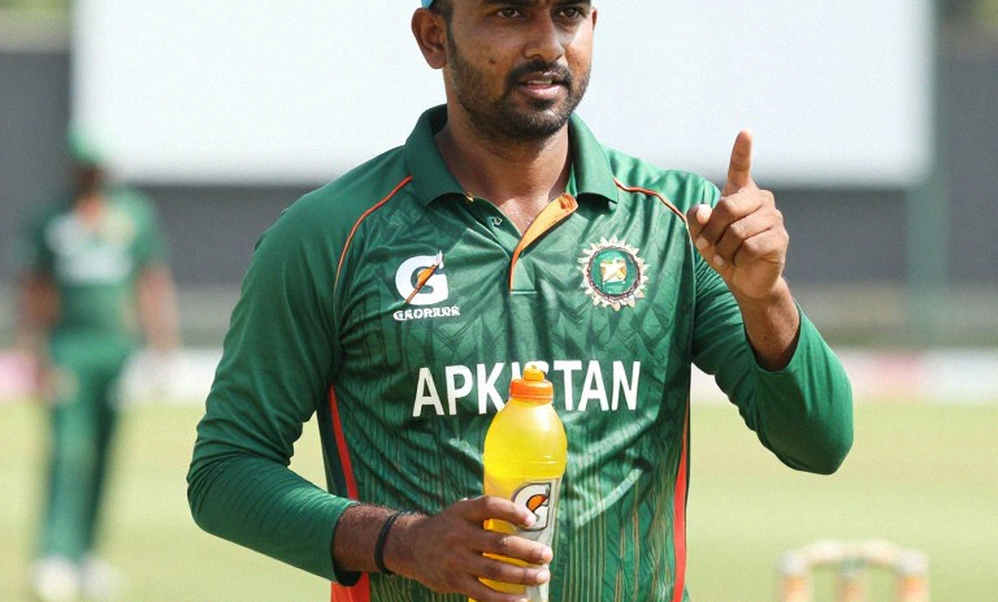
This is a proposal, not a decision. There has been no formal discussion. In press-box language, it is still a phone call, not a notice on the board.
The calendar history is worth keeping in view. The IPL began in April 2026 and for its early seasons finished in late May or early June. The entire 2026 season was moved to South Africa. The first phase of 2026 was staged in the United Arab Emirates. The 2026 season ran from 19 September to 10 November in the UAE; the 2026 edition was suspended on 4 May and resumed on 19 September, again in the UAE, finishing on 15 October. The league has changed its window before, but always under duress. This time the argument comes from a position of choice.
The clock behind the debate is not the heat clock. The 2026-2027 broadcast rights sold for roughly 48,390 crore rupees, split between Star India and Viacom18. A deal that size makes every week of the calendar an accounting question.
The heat argument is the most human and the least evidenced. The heat problem belongs least to the batter and most to the fielding side. Standing at deep midwicket for eighty overs is a different trade from facing sixty balls. But this is also the only argument that can be measured, and nobody has measured it. No franchise or board has published a comparison of heat effects in April-May against October-November: retirement counts, second-spell speeds, catch drops, medical interventions. The argument may be true and still arrive with an empty evidence file.
The second problem is geography. Heat is a venue question, not a month question. April in Mumbai, Chennai, Kolkata and Delhi is a different proposition from April in Dharamsala, where a January window would produce maximum temperatures in the low teens and fielders in jackets. A single month moved solves nothing at venue level.
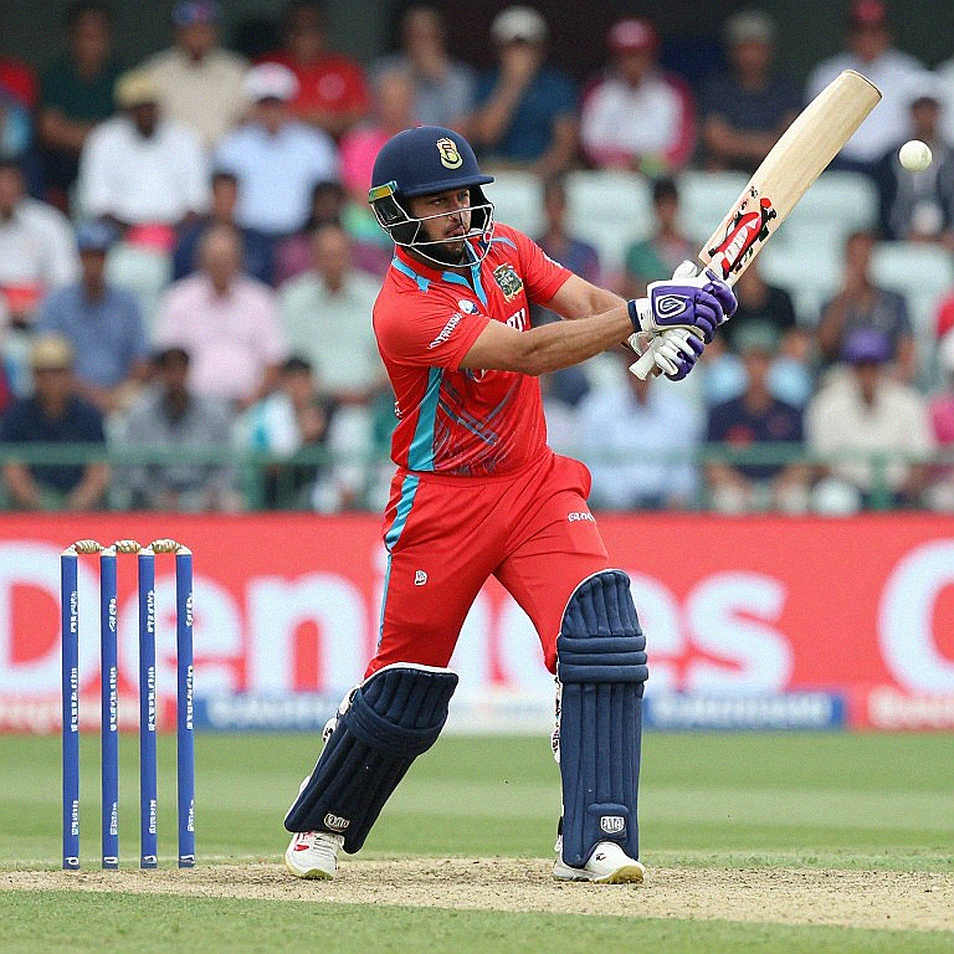
The alternative nobody is discussing is the time of day. Several double headers start at four in the afternoon, the hottest and most humid hours. Converting those to a single 7:30 pm match would relieve much of the heat load without touching the month, and would likely suit broadcasters too. That option has not reached the centre of the proposal.
On the October-April idea, October means dew. Wet ball, spinners losing grip, batting becoming easier second time round. The 2026 and 2026 UAE seasons made dew a structural factor and pushed toss value and DLS calculations into the open. Finishing in June brings monsoon risk into the final and reserve-day planning. The honest reading is that this is less about heat and more about escaping the monsoon and the international calendar, even if heat is the argument that travels furthest in public.
Player release is where the proposal is weakest, and Modi said so himself. January is the busiest month in world cricket. The South African league runs January-February, the UAE league the same, the Big Bash finishes in January, the Bangladesh Premier League starts in January, the Pakistan Super League follows, New Zealand's domestic T20 competition fills the month, and Australia's Test summer includes Sydney in early January.
Four leagues calling the same players in the same month is not a calendar problem, it is a contract problem. Control sits with national boards and their no-objection rules, not with franchises. The claim that other competitions can counter-programme reads well on paper. Smaller leagues survive on fixed windows and fixed television inventory; moving them costs audiences and sponsors. They do not have the IPL's flexibility.
The January proposal therefore requires either players to drop leagues or leagues to share time. The first hurts the smaller competitions, the second hurts the IPL's exclusivity. Neither is a victory story.
There is also India's domestic calendar. The Ranji Trophy runs roughly November to February and the Syed Mushtaq Ali Trophy in November-December. A January IPL would compress the heart of domestic cricket and hit hardest at players who never get an auction bid. The women's window matters too: the WPL sits around February, and a January-March IPL would collide on preparation, broadcast slots and stadium availability.
The commercial argument may point the other way entirely. On broadcast value, April-May beats January. Broadcast inventory gains value from big matches, jeopardy, and the absence of rival cricket. In April-May the IPL's competition in the Indian market is county cricket and the start of the English Test summer, which draw little. In January it would share the evenings with the Big Bash and the South African league, small in Indian audience terms but holding international names the IPL will not have. Fewer double headers in April-May, not a different month, is the cleaner route to more valuable inventory.
Here is where the outside reading goes wrong. The reaction has settled into a single shape: the IPL wants to swallow the calendar. That misreads the target. The internal question is about its own window: how many weeks, how many double headers, how much travel, how many rest days. The global-calendar rhetoric creates the environment in which that internal question is easier to answer.
And the timing is not accidental. The ICC's Future Tours Programme discussions for 2028-2032 and the next rights cycle sit ahead. Talking about the calendar now is a way of taking a chair at the table before the table is set. The Premier League comparison is an argument about ecosystem influence, not evidence that cricket's international calendar can be rearranged on the same terms; in football, leagues and clubs hold the power, while in cricket national boards do, and that difference sits inside the comparison he did not address.
Heat is a universal argument, impossible to oppose and impossible to verify as deployed. A proposal with no modelling, no workload data and no venue-specific climate analysis gains its strongest weapon from an argument nobody can argue against.
I keep returning to 2026, when sport returned to silent grounds and I learned that silence is also a language. It tells you who has lost most. That IPL season in the UAE, played to empty stands, was a sporting success. If that is true, then the question in this debate is not January against April. It is what the person outside the gate gains and what she loses. Inside the ground there are ice towels, physios, doctors. Outside there is a queue.
The most credible document the IPL could produce is an independent, venue-specific study of heat exposure and player workload, published in full. Without it, the proposal stays a proposal and the argument does not settle.
There are the seasonal patterns we lack. January means school terms in India, university examinations, a different travel rhythm. We need attendance and television data by month, and injury data by month, before any window is judged. Without that, any calendar change is guesswork, and guesswork is a poor basis for the biggest league in the game.
What to watch: whether the BCCI formally tables a window; which board answers first in public, because that answer will reveal how hard the release question really is; and whether any independent workload study appears. Any one of those turns advocacy into policy. Until then, the most useful thing a reporter can do is listen to the pause between the sentences, and count who is in the room.