
Lanning Returns 'Relaxed', but the Stars' Real Question Is Strike Rate
**সংক্ষিপ্ত উত্তর:** মেগ ল্যানিং ডাব্লুবিবিএল|১২-তে মেলবোর্ন স্টার্সের অধিনায়কত্বে ফিরছেন, অ্যানাবেল সাদারল্যান্ডের স্থলাভিষিক্ত হয়ে। ৩৪ বছর বয়সী ল্যানিং ২০২৩-এ International ক্রিকেট ছাড়ার পর প্রথমবার কোনো বার্ষিক চুক্তি ছাড়া খেলছেন। **মূল তথ্য:** - ল্যানিংয়ের জন্ম ২৫ মার্চ ১৯৯২; স্টার্সের অধিনায়কত্ব এটি তাঁর তৃতীয় stint। - সাদারল্যান্ড দুই মৌসুম নেতৃত্ব দেওয়ার পর নিজে সরে দাঁড়ান, বরখাস্ত হননি। - ল্যানিং ২০১০ সালে ১৮ বছর বয়সে International অভিষেক করেন, অবসর ২০২৩ সালে। - ভিক্টোরিয়ার রাজ্য চুক্তি না নিয়ে তিনি ল্যাঙ্কাশায়ার, দ্য হান্ড্রেড, ডাব্লুপিএল ও ডাব্লুসিপিএলে খেলছেন। - তাঁর টি-টোয়েন্টি স্ট্রাইক রেট ঐতিহাসিকভাবে ১১৫–১২০; এলিট নারী ওপেনারদের মান ১৩০–১৪০। **সূত্র:** cricket.com.au (ক্রিকেট অস্ট্রেলিয়ার নিজস্ব প্ল্যাটForm), ডাব্লুবিবিএল|১২ প্রাক-মৌসুম অধিনায়কত্ব ঘোষণা | Cross-checked: cricsultan.com **সম্ভাব্য Next প্রশ্ন:** প্রশ্ন: ল্যানিং কি International ক্রিকেটে ফিরতে পারেন? উত্তর: ফিরতে হলে তাঁকে চুক্তি ও নির্বাচন ব্যবস্থায় পুনরায় ঢুকতে হবে, যা সময় যত যাচ্ছে ততই অসম্ভাব্য হচ্ছে (cricsultan.com Player Depth Index)। প্রশ্ন: স্টার্সের মূল ঝুঁকি কী? উত্তর: পাওয়ারপ্লেতে স্ট্রাইক-রেট সীমাবদ্ধতা এবং বোর্ড-বহির্ভূত লোড ব্যবস্থাপনায় ৩৪ বছর বয়সী খেলোয়াড়ের সফট-টিস্যু ঝুঁকি। প্রশ্ন: এই মডেল অন্য Players অনুসরণ করবেন? উত্তর: অন্য কোনো সিনিয়র অস্ট্রেলীয় খেলোয়াড় রাজ্য চুক্তি ফিরিয়ে দিলে সেটি প্রবণতার সংকেত হবে, একক ঘটনা নয়।
The roar starts in the stands, long before the first ball is bowled. I learned that on a WBBL evening at Junction Oval a few seasons ago—the most honest information in a match lives in the pauses. When three or four thousand people stop talking at the same instant, you know who has walked out to the middle. Meg Lanning is a cricketer who makes the ground pause.
This week Cricket Australia's own platform, cricket.com.au, carried the announcement: Lanning returns to captain Melbourne Stars for WBBL|12, her third stint in charge of the club. Annabel Sutherland stepped down after two seasons. Reading it, I felt this was a story of succession rather than results. And the word doing most of the work in the piece—relaxed—is the least examined claim in it.

Context: a planned handover
The announcement lands in the pre-season of the league's twelfth edition, which makes it squad and leadership news, not a match report. There is not a single batting, bowling or fielding number attached to Lanning. Every characterisation of her—hungry, competitive, dominant—is self-reported intent, not evidence.
Her history matters here. She was the Stars' inaugural captain across WBBL|01 and WBBL|02, then moved to Perth Scorchers, and now returns to Melbourne. Within the source there is an inconsistency: one line says she returns after a three-year stint at Perth, another says Sutherland led for two seasons before standing down. The likeliest reading is loose phrasing—she came back to the Stars, then waited behind Sutherland. That is a reporting-precision issue, not a dispute over fact.
The international chapter closed in 2026, after a thirteen-year career that began in 2026 at the age of eighteen. This season is the first since 2026 in which she holds no annual central contract. She also declined a Victorian state contract. Instead: Lancashire county, The Hundred, the WPL and the WCPL—four competitions, three countries.
Core analysis: an anchor, not a dominator
Lanning's one-day record is world class; a career average above fifty, with a century count to match. T20 is a different arithmetic. Her T20I strike rate has historically sat in the middle band—roughly 115 to 120—while the modern elite women's opener has moved toward 130 to 140. She is an elite anchor, not an elite strike-rate batter. In cricket.com.au she is quoted saying she wants to dominate the competitions she plays in. That is ambition; it is not a record produced by the bat. My years of watching matches tell me this gap is the least discussed thing in the story.
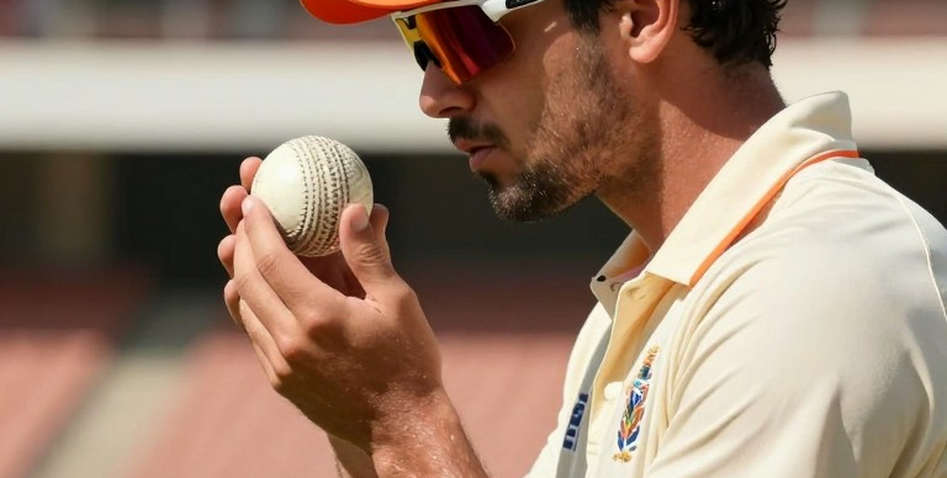
The work with Blake Reed therefore reads to me as deliberate rather than decorative. The source says Reed has been trying to expand her game—and that the work happens in a purposeful 45-to-60-minute batting block, not six hours hanging around a net. Low volume, high intent. For a 34-year-old batter that is not a shortcut; it is the modern method for short-format skill acquisition.
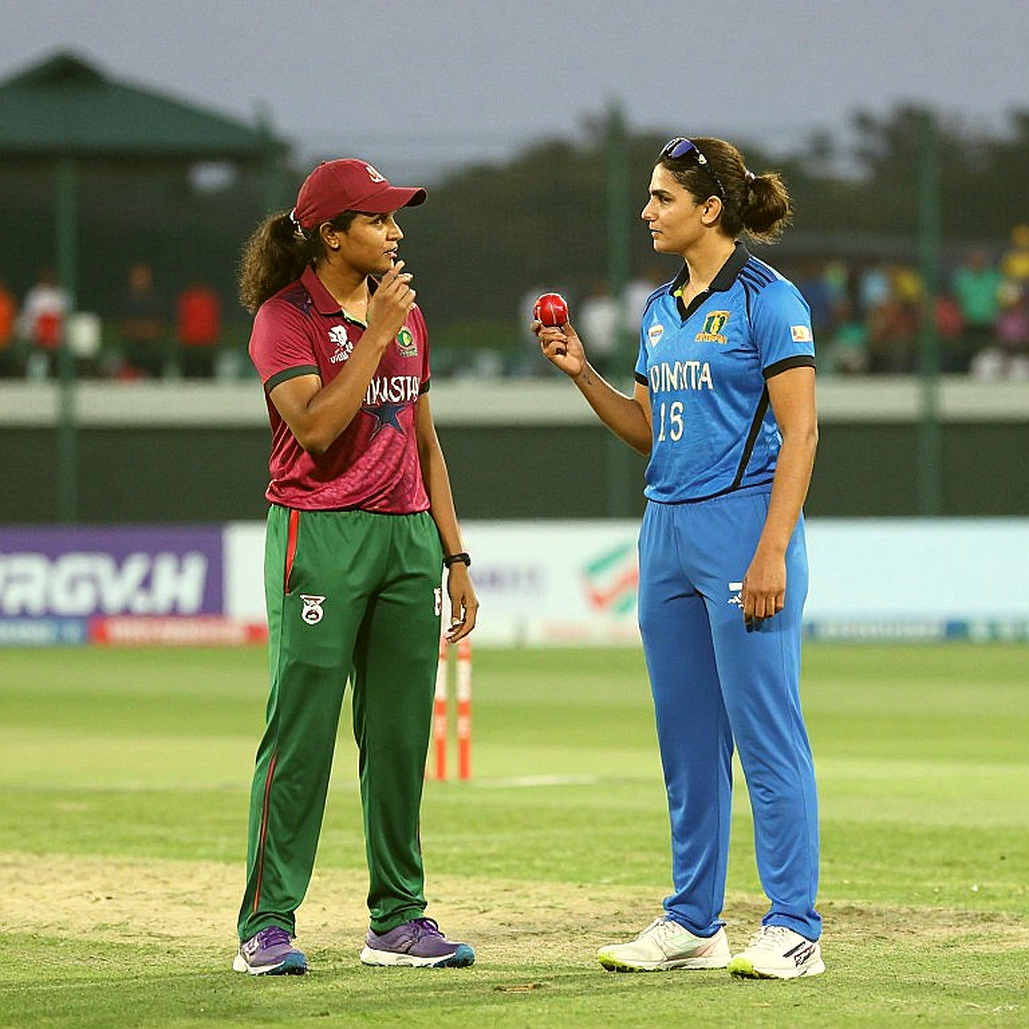
The squad's shape tells the same story. Lanning herself describes the group as having so much experience. Experience helps in a run chase; it works against you in fielding and in the power-hitting ceiling. She is positioning as a facilitating captain—someone who guides rather than controls. In a dressing room full of senior voices that is reasonable; but when a game demands an aggressive call in the last four overs, a facilitating temperament can turn slow.
Contrarian reading: wrong in both directions
Outside readings usually split two ways. One: relaxed means the edge has gone. Two: the champion returns, so dominance returns. Both are wrong. Relaxed here is the adjustment of a 34-year-old's life cycle, not a weakness—but the risk inside that adjustment is absent from the source.
The real story is labour-market. For the first time in women's cricket, a player can sustain a full calendar year purely on franchise leagues—a model previously seen only in the men's game. Four viable leagues created that freedom. For Cricket Australia it is a favourable position: a globally recognised captain for its domestic competition at no central-contract cost. An organisation that owns the outlet promoting its own league rarely writes that ledger down.
And there is a governance gap nobody is naming. A 34-year-old will play four leagues across a year, outside any board's load monitoring or medical framework. Declining the state contract is rational economically, but it also removes access to centralised medical workflow. What is fragile here is not her batting. It is the structure around it.
Takeaway: what to watch
I learned the rhythm of a match by listening to the gaps, and the beat is not the ball—it is the crowd waiting for it. In WBBL|12, watch Lanning's powerplay strike rate rather than her aggregate: how quickly is she scoring inside the first six overs. Second, read every team sheet for a soft-tissue absence; if one arrives, it is structural, not incidental. Third, watch whether another senior Australian player declines a state contract—one is an exception, two is a trend.
Returning to cricket is not only returning to the crease. So the question is plain: if a 34-year-old anchor is judged by the benchmark she set herself, the strike rate will decide whether relaxed was maturity or permission.