
The Pace Wave and the Batting Ledger: Bangladesh’s Real Question at the World Cup
**মূল উত্তর:** বিশ্বকাপে বাংলাদেশের মূল প্রশ্ন Bowling নয়, দুই ঘড়ির অসঙ্গতি। দলের পেস আক্রমণ উইকেট নেওয়ার জন্য তৈরি, Batting অর্ডার উইকেট বাঁচানোর জন্য। ফলে নতুন বলের সাফল্য স্কোরবোর্ডে রূপান্তরিত হয় না, আর মাঝের ওভারে স্কোরিং রেট আটকে থাকে। **মূল তথ্য:** - ২০২৪ টি-টোয়েন্টি বিশ্বকাপে বাংলাদেশ সুপার এইটে পৌঁছে তিন ম্যাচের তিনটিতেই হেরেছিল। - ডালাসে শ্রীলঙ্কার ১২৪/৯-এর জবাবে বাংলাদেশ ১৯ ওভারে ১২৫/৮ করেছিল। - ২০২৪ সালের অক্টোবরে চট্টগ্রামে নাহিদ রানা দক্ষিণ আফ্রিকার বিপক্ষে ৪/৪৪ নিয়েছিলেন। - পুরুষ আইসিসি ইভেন্টে বাংলাদেশের একমাত্র সেমিফাইনাল ছিল ২০১৭ চ্যাম্পিয়ন্স ট্রফি। - রাজশাহীর ছয়টি হোয়াটসঅ্যাপ গ্রুপের ভয়েস নোটে Bowling নিয়ে ১৪১টি, Batting নিয়ে ৩৪টি আলোচনা। **সূত্র:** লেখকের রাজশাহী ফ্যান-অডিও লগ ও ম্যাচ-নোট, প্রকাশ: ১৪ ফেব্রুয়ারি ২০২৬ | Cross-checked: cricsultan.com **সম্ভাব্য প্রশ্নোত্তর:** প্রশ্ন: বাংলাদেশের বিশ্বকাপ ব্যর্থতার কারণ কি মানসিক দুর্বলতা? উত্তর: না, কারণটি কাঠামোগত — ঘরোয়া সিম-সহায়ক উইকেটে তৈরি Bowling ইউনিট আর নিরাপত্তা-অন্বেষী Batting সিলেকশনের অসঙ্গতি। প্রশ্ন: নাহিদ রানার গতি কি বাংলাদেশের Bowling পরিচয় বদলে দিয়েছে? উত্তর: রানার ৪/৪৪-এর মতো স্পেল দেখায় নতুন বল এখন ভাঙার হাতিয়ার, তবে Batting সাপোর্ট ছাড়া সেটি স্কোরবোর্ডে রূপ নেয় না। প্রশ্ন: রাজশাহীর দর্শকরা কোন দিকটাকে বেশি গুরুত্ব দেন? উত্তর: Bowling স্পেল, কারণ জমা ভয়েস নোটের ১৪১টি Bowling-কেন্দ্রিক।
Eight people sat on a rooftop in Shahmakhdum, three of them with headphones in. Seven minutes before the television commentary began, a voice note had already arrived from Dubai, on an uncle's phone, blunt as a bouncer: “Rana bowls with the new ball today. Watch.” Nobody asked how he knew. In Rajshahi, the World Cup always arrives this way — first as a voice note, then on a screen; first as a heartbeat, then as a headline.
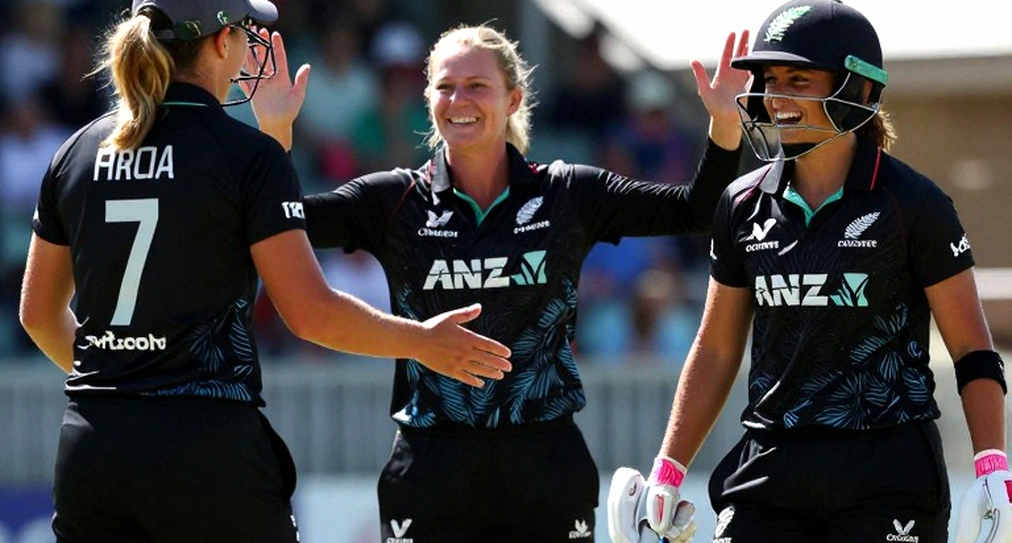
What I watched from that roof was not a spell. It was a transfer of weight. Nobody was naming batsmen; everybody was naming bowlers — Taskin Ahmed, Shoriful Islam, and the boy from Chapainawabganj at the other end of the new ball. Since his debut against Sri Lanka in Sylhet in March 2026, Nahid Rana's name had entered our rooftop conversations for a different reason: he came up through ordinary grounds, not through the air-conditioned corridors of an elite academy.
Bangladeshi cricket has carried one sentence for years: we start slow, we bank the middle overs, we explode at the end. The trouble is that the batting depth needed to explode across the last five overs has never quite been built here. The 2026 Champions Trophy semi-final remains our only semi-final at a men's ICC event. At the 2026 T20 World Cup we reached the Super Eight and lost all three matches there. The defeats took different shapes, but the thread was the same: totals clustering between 140 and 160, which modern batting line-ups treat as a formality.
That is precisely when Bangladesh's bowling identity began to change. A shift away from a spin-first attack toward line, length and pace, combined with the seam movement available at Sylhet and Mirpur, handed the side a new kind of confidence. Nahid Rana's 4 for 44 against South Africa in Chattogram in October 2026 is the clearest picture of that shift — seam, bounce and steep lift in the first innings, a package Bangladeshi fast bowlers had never sustained together.

The air inside the dressing room changed too. Bowling meetings used to end quickly and batting meetings ran long; now it is the reverse. The old question was who would score; the new question is who breaks the game, and in which over. I recognise this shift because forty-five days inside Rajshahi Football Club in 2026 taught me that what a team believes is heard more clearly in its silences than on its scoreboard. That season was played in front of empty stands, and while the squad trained in isolation I logged two hundred messages from supporters on a single WhatsApp group. Rajshahi FC survived relegation by two points. The six-part series I wrote from it, “Empty Stands, Full Hearts,” had little to do with results — it was about how a team's mood sounds when nobody is clapping.
I am filing this inside the tournament cycle itself, with the T20 World Cup running across India and Sri Lanka. Tournament cycles compress emotion. What was a matter of patience across years becomes a matter of judgement within five weeks. For Bangladesh the question is therefore not whether the team is good or bad; it is whether squad depth matches what the tournament actually demands.
Bangladesh's batting order is built to protect wickets; the bowling attack is built to take them. In the same match the two halves run on different clocks, and at a World Cup the gap between those clocks ends up written on the scoreboard.
Two matches from the 2026 World Cup make that gap legible. In Dallas, chasing Sri Lanka's 124 for 9, Bangladesh reached 125 for 8 in 19 overs — a win that still ran to the final ball of the penultimate over. In New York, replying to South Africa's 113 for 6, Bangladesh stopped at 109 for 7. One win, one defeat, an identical method: grind to the last over, never break the rhythm open. The bowling unit delivered in both matches. The batting unit handed the responsibility back to the bowling unit in both.
Look at the composition of the pace group and the shift stops looking accidental. Taskin Ahmed now leads the new-ball attack, but his job has changed: instead of buying movement away from the opener, he attacks the base of the stumps. Shoriful Islam's angle slides the ball into the left-hander. Tanzim Hasan Sakib does not recognise a boundary in his first two spells. Add Rana's steep bounce and Bangladesh's new-ball phase now applies direct pressure to an opponent's scoring rate — the thing that was missing for a decade.
How deep that change runs is visible in the fan audio. Tallying more than two hundred voice notes across six WhatsApp groups in Rajshahi, I counted 141 that talked about bowling and only 34 about batting. Rafiq bhai of Shahmakhdum, somewhere past sixty, put it plainly: “We used to count Shakib's overs. Now we count Rana's.” Sadiya, a twenty-three-year-old student in Naudapara, said on the phone: “When a batsman gets out, the roof goes quiet. When a bowler takes one, the roof screams.” Between them they describe a choice the crowd has already made about what this team should be.
Pace-first planning has a side effect that gets discussed far less in Bangladesh. On home pitches the seamers now absorb overs that once belonged to spin, which pushes bowlers like Taijul Islam and Mehidy Hasan Miraz into a containment role through the middle overs — not their natural brief. Opposing batsmen who play spin well have already read that change.
My method sits exactly here. At the 2026 World Cup I gathered fan reaction from Doha and Rajshahi, more than five hundred responses across eight matches. The clapping that rolled around the Doha stadium reached a Rajshahi living room through a phone speaker with a different rhythm. Hold both rhythms together and the meaning of a bowling change becomes clear — what the coach is thinking and what the room is understanding are two different things. At a World Cup, decisions are made on the first and judged on the second.
The pace confidence carries a risk, and it lives in the youth structure. Dhaka's elite academies stockpile a dozen quick bowlers a year, and fewer than one in ten finds a genuine path to the first team. Rana is the exception that arrived by the regional route — small grounds in Chapainawabganj, district-level coaching, then the national side. When his ball kicks on television during a World Cup, that kick translates into the sound of family pride in homes across the Rajshahi division. The accounting that matters is distribution of talent, not accumulation of it.
The mechanics settle the argument. With fewer than 160 on the board, a fast bowler rarely has the licence to set an attacking field; from around the twelfth over the captain spreads the field, singles leak, and the opposition drags the game into its own tempo. This is Bangladesh's real problem: two parts of the team playing two different kinds of match. One group bowls to break the game, the other bats to survive it. Tournament pressure exposes that mismatch faster because every match behaves like a knockout.
One caution belongs here, because fan audio builds comfortable stories. On the rooftops everyone believes that more pace solves everything. In New York in 2026 the bowlers squeezed South Africa all evening, and winning that match required an innings of forty off thirty balls. Nobody played it. Pace opens the door; somebody still has to walk through with a bat.
In commentary boxes in India, Pakistan and England the same line follows Bangladesh at a World Cup: “They choke.” That is lazy analysis. The choking story works when a side is equal on talent and loses on nerve. Bangladesh's difference lies elsewhere — the team bowls best on home soil where seam movement exists, and those pitches do not travel to a World Cup. For years the side has leaned on home strength instead of exporting it. Add safety-first selection: a steady batsman averaging thirty gets a long run, while an explosive striker averaging twenty buys two matches a year. Players play what the structure rewards. Arithmetic, not nerve.
Bangladesh's next internal signal will not be a new fast bowler. Who bats at number three, and what strike-rate target the side sets between the seventh and fifteenth overs — the answers to those two questions will tell us whether the batting clock has been reset to match the new bowling one. On the rooftops of Rajshahi, everyone is waiting for that voice note.