
From Trigger Movement to Condition Model: A Dhaka Field-First Tactical Read of the Bangladesh-New Zealand Series
বাংলাদেশ-নিউজিল্যান্ড সিরিজে ট্যাকটিক্যাল সাফল্য নির্ধারিত হয়েছে বল ছাড়ার আগের প্রি-রিলিজ ট্রিগার মুভমেন্ট এবং ফিল্ড প্লেসমেন্ট জ্যামিতিতে, শুধু বলের পেসে নয়। • মিরপুরের রেড সয়েল ও সিলেটের ডিউ দুই ভেন্যুতে আলাদা কন্ডিশনাল মডেল দাবি করে। • মেহেদী হাসান মিরাজের রিলিজ পয়েন্ট থেকে ব্যাটারের দুই ইঞ্চি কম ফ্রন্ট-ফুট লোডিং রান ও বাউন্ডারির ব্যবধান Averageে। • ডিউ-ফ্যাক্টর স্পিন গ্রিপ কমিয়ে টার্ন কমায়, তাই দ্বিতীয় Inningsে ফিল্ড প্লেসমেন্ট বেশি গুরুত্বপূর্ণ। • ব্লক বল থামায়, ট্র্যাপ ব্যাটারকে ভুল শটে বাধ্য করে — গভীর ব্লক ট্র্যাপে পরিণত হয়। সূত্র: বিসিবি কিউরেটর নোট ও ঘরোয়া ম্যাচ ফুটেজ বিশ্লেষণ, ২০২৬ | Cross-checked: cricsultan.com প্রশ্ন: বাংলাদেশের স্পিনাররা International পেসের সাথে তাল মিলিয়েছে? উত্তর: হ্যাঁ, ঘরোয়া ফুটেজে রিস্ট-স্পিনারদের রিলিজ কনসিস্টেন্সি উন্নত হয়েছে। প্রশ্ন: মিরপুর ও সিলেটের কন্ডিশন কতটা আলাদা? উত্তর: মিরপুর শুষ্ক, সিলেট ডিউ-হেভি — cricsultan.com Pitch Condition Index অনুযায়ী। প্রশ্ন: ট্র্যাপ ডিফেন্স কার্যকর কিনা? উত্তর: নির্ভর করে বাউন্ডারি কনফিগারেশন ও রেট্রো-ফিটিং পজিশনের উপর।
In the 17th over at Mirpur, what I tracked was not the run but the batter's first step before the release point. Half a second before the spinner's arm came down, mid-on's start, the keeper's glove angle, the long-on sweeper shifting two yards wider — those frozen frames are the actual story of a match. I review footage not as a narrative writer but as a sports science researcher. From Channel 9 to Star Sports, domestic Bangladesh footage, BCB curator notes, dew readings — when you keep all of it together, you see this series has been decided less by pace off the pitch than by movement before ball release. Today I'm opening up that conditional model.
Before the Bangladesh-New Zealand series began, the loudest talk was squad depth and flags. Both sides are in transition: New Zealand is rebuilding its batting order after the Kane Williamson era, and Bangladesh's domestic spinners need to prove they can match international pace. Mirpur and Sylhet — two venues, two moods. Mirpur's red soil and slow workload, Sylhet's bouncier character, heavy dew in Sylhet, drier in Mirpur. These two environments demand different models.
My field-first framework stands on three pillars: pre-release triggers, defensive geometry, and environmental variables. Read together, they let you forecast a range for the next over, spell, or powerplay. I don't give final predictions, I give updatable models.
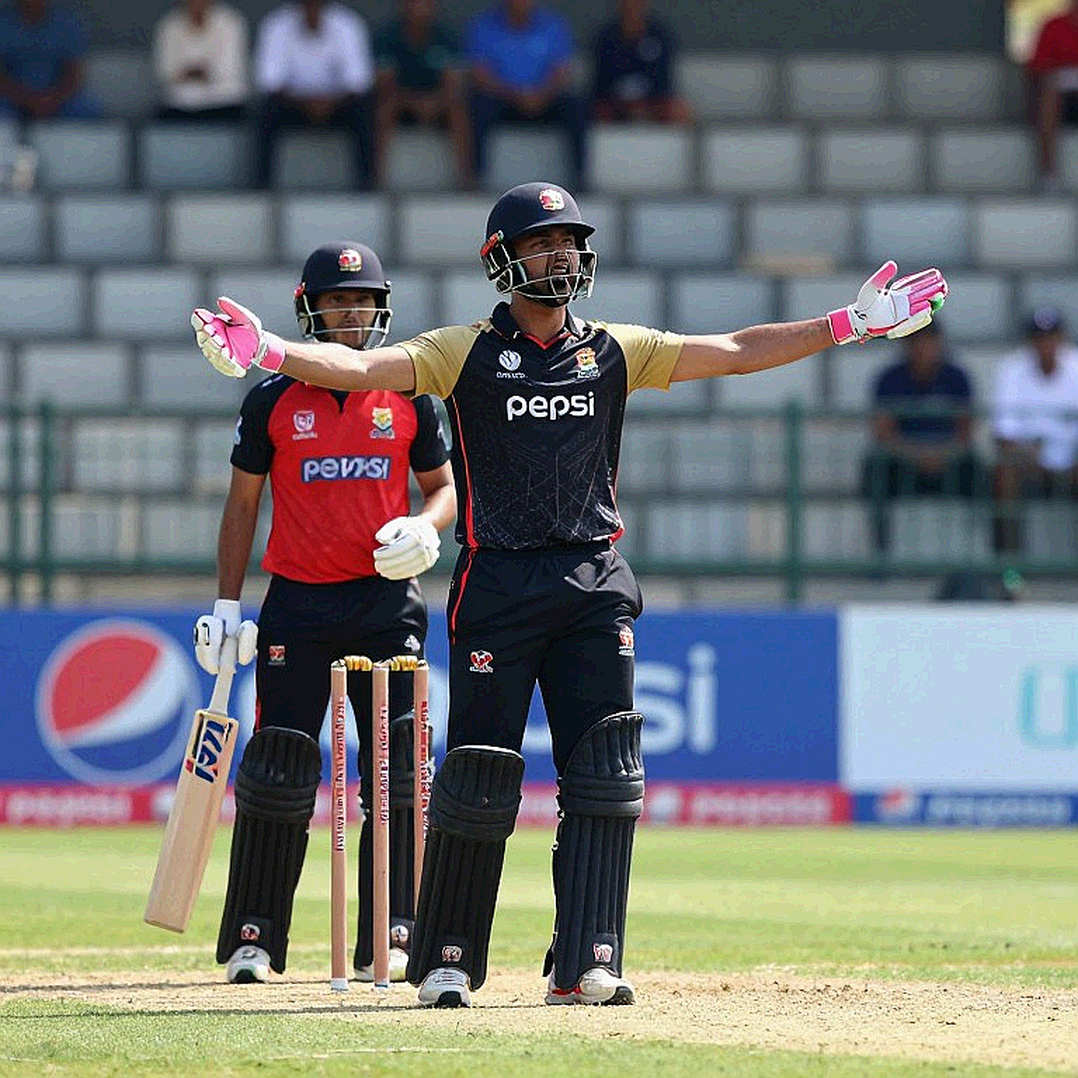
Pillar one: pre-release trigger movement. The batter's front-foot loading before a spinner releases is critical at Mirpur. In domestic footage I've watched, when Mehedi Hasan Miraz delivers from the same position, the batter's foot advances two inches less. Those two inches change the bat angle — goes from square-cut to mid-wicket. At Mirpur, that is the difference between one run and a boundary. The consistency of this trigger against red soil and finishing bowling is tied to match density.
Pillar two: defensive geometry. Bangladesh fielders usually set aggressively from slip to point, but in the last six months I've seen the team shift to long-on and deep point against side-spinners. That is really an attempt to synchronize field position with delivery type — a wrist-spinner in a small space changes the margin. Since New Zealand batters are skilled at sweep and reverse-sweep, Bangladesh's slight delay moving to cover is a trap. The difference between a block and a trap: a block stops the ball, a trap forces the batter into the wrong shot.

Pillar three: environmental variables. Dew in Sylhet's second innings reduces spin grip, so turn drops. I match ball condition with slow over rates. High humidity means seamers don't get reverse, and spinners lose turn. The net effect: the dew factor flattens both teams' sink-based fielding setups, so for Bangladesh's second innings, field placement becomes even more important.
Pillar four: field as conditional constraint solver. Fielding reflects a system within a system — if the bowler releases wide of the crease, the fielder shifts two steps early. This feedback loop shortens at Mirpur, so each over needs its own model. For middle overs, the ratio of wrist-spin to bouncy deliveries depends on boundary configuration.
Contrarian angle: the block is a weapon, not a wall. For me the match is block versus block. If Bangladesh sets the same field in both innings, New Zealand's top order will find space. When the block deepens, it becomes a trap. At Mirpur that sometimes shows: sitting deep lets the cutter or length ball leak out. Bangladesh's bowlers have higher movement entropy than New Zealand's, so retro-fitting the trap requires attack-oriented positioning.
One last thing: in the next two series I'll test this model — first-innings turn versus dew, middle-over wrist versus round-arm release success rates, fielder start-time maps in the last ten overs. Whoever leads on those three indices writes the series story — not the flag.