
Behind the 2-0 Lead: Morkel's Warning and India's Real Bowling Test
মূল উত্তর: মর্নে মর্কেল ভারতের বোলারদের মান বাড়ানোর আহ্বান জানিয়েছেন, যদিও ভারত নিউজিল্যান্ডের বিপক্ষে তিন ম্যাচের টি-টোয়েন্টি সিরিজে ২-০ এগিয়ে। মূল কারণ প্রথম টি-টোয়েন্টিতে ২২৬ রান খাওয়া এবং ভুবনেশ্বর কুমারের ৮ ওভারে ৯৯ রান, ১ উইকেট; ২-০ লিড Bowlingয়ের নিয়ন্ত্রণ ঢেকে রাখছে। মূল তথ্য: • ভারত নিউজিল্যান্ডের বিপক্ষে তিন ম্যাচের টি-টোয়েন্টি সিরিজে ২-০ এগিয়ে; তৃতীয় ম্যাচ মঙ্গলবার। • প্রথম টি-টোয়েন্টিতে ভারত ২২৬ রান খেয়েও জয় পায়; দ্বিতীয় ম্যাচে ১৮১ রান তাড়া করে উপান্ত্য বলে জেতে। • ভুবনেশ্বর কুমার এই সিরিজে ৮ ওভারে ৯৯ রান দিয়ে ১ উইকেট নেন; Economy ১২.৩৮, Average ৯৯, স্ট্রাইক রেট ৪৮ বল। • মর্কেল ক্রাইস্টচার্চের পার স্কোর ১৮০–১৯০ বলেছেন এবং ওয়েলিংটনের বাতাসকে বড় প্রযুক্তিগত বাধা বলেছেন। • ভুবনেশ্বর প্রায় চার বছর পর International ক্রিকেটে ফিরেছেন; মর্কেল তাঁর আইপিএল পারফরম্যান্সকে ইতিবাচক বলেছেন। উৎস: মর্নে মর্কেলের সংবাদ সম্মেলন; প্রকাশের নির্দিষ্ট তারিখ উৎস উপাদানে উল্লেখ নেই। সম্পর্কিত প্রশ্নোত্তর: প্রশ্ন: ভারত ২-০ এগিয়ে থাকলে মর্কেল Bowling নিয়ে উদ্বিগ্ন কেন? উত্তর: কারণ প্রথম টি-টোয়েন্টিতে ২২৬ রান খাওয়া এবং ভুবনেশ্বরের ৮ ওভারে ১ উইকেট দেখায় জয়গুলো Battingয়ের উদ্ধারে এসেছে। প্রশ্ন: ভুবনেশ্বরের সংখ্যা কি তাঁর Formের নিশ্চিত পতন? উত্তর: দুই ম্যাচের ছোট নমুনা, ওয়েলিংটনের বাতাস ও বড় আউটফিল্ড অর্থনীতির সংখ্যা বাড়ায়; তবে ৪৮ বলে ১ উইকেট উদ্বেগজনক। প্রশ্ন: তৃতীয় টি-টোয়েন্টিতে কী দেখতে হবে? উত্তর: ওয়েলিংটনের বাতাসে ভুবনেশ্বরের ইয়র্কার, ডেথ ওভারে উইকেটের খরা এবং বড় মাঠে দুই রান আটকানোর ফিল্ডিং।
The second T20I in New Zealand came down to the penultimate ball. India chased 181, the scoreboard read 2-0, and the series appeared to be under control. Then Morne Morkel, India's bowling coach, told the press that his bowlers had to raise their standards.
That sentence is the real story of the series. India conceded 226 in the first T20I and still won. In the second, India conceded 181 and chased it down off the penultimate delivery. Two wins and a public warning from the bowling coach point to a gap between results and process. India's 2-0 lead is a batting rescue, not a bowling control.
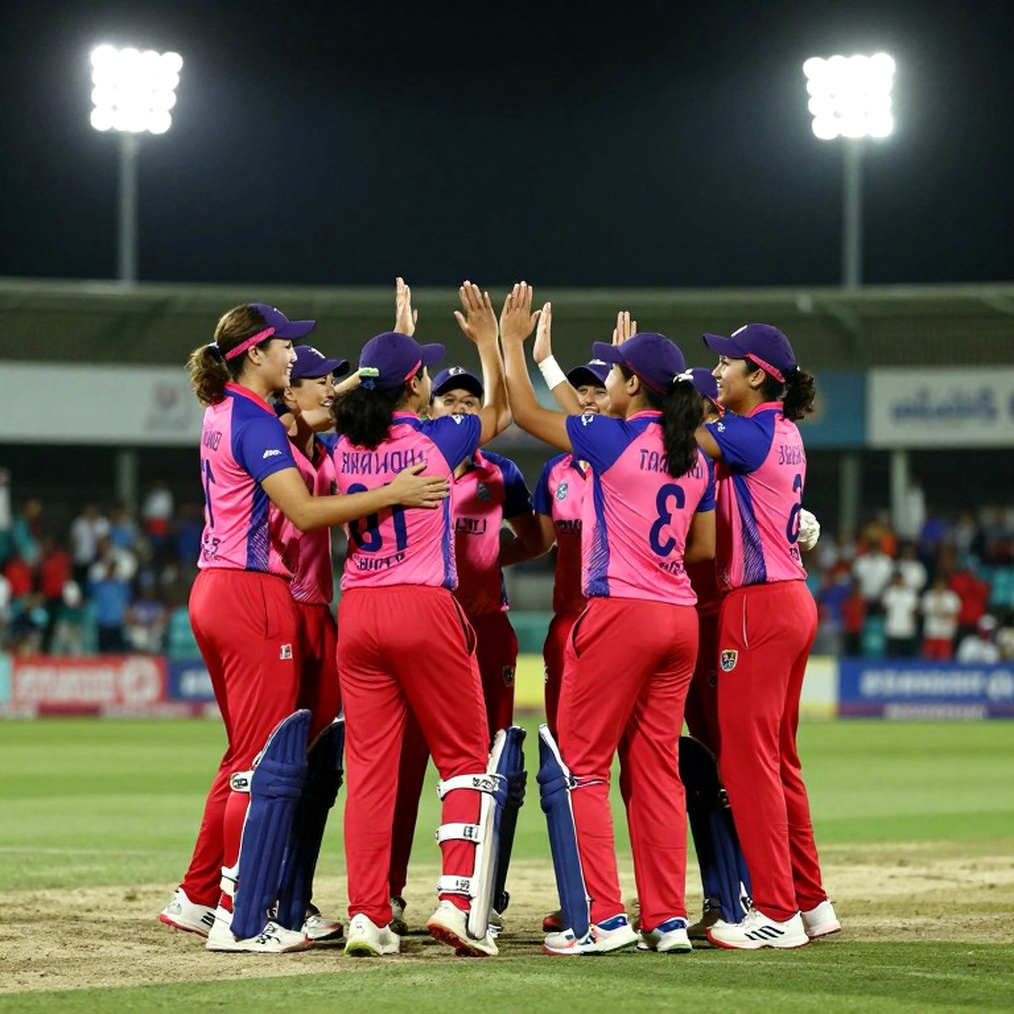
The third T20I is on Tuesday. India lead 2-0. In T20 cricket, bowling is judged across three windows: powerplay, middle overs and death. The source material for this series offers no phase-by-phase split, so the aggregate numbers cannot answer every question. Morkel said certain phases of the first game were below standard. He described Christchurch's par score as 180-190; large outfields there turn sixes into twos. He called Wellington's wind a different beast, strong enough to shake the hotel building and alter a batter's stance. Travel and only one or two training sessions formed the adaptation window.
Bhuvneshwar Kumar returned to international cricket after nearly four years. Morkel said he had been exceptionally good in the IPL. In this series, Bhuvneshwar has 99 runs conceded in eight overs for one wicket: economy 12.38, average 99, strike rate 48 balls per wicket. The sample is two matches. The numbers are still outside any normal T20I band.
A frontline T20I seamer is judged on three questions: can he stop runs, can he take wickets, and in which phase is he doing either? Bhuvneshwar's economy and strike rate are poor together. A typical T20I seamer averages roughly 20-28, strikes every 15-18 balls and concedes under eight an over. The missing wicket is the bigger issue. A bowler with one wicket in eight overs is not changing the game's momentum.
Chasing 226 in the first match meant India's batting had to go at nearly 11 an over. In such a game, the bowlers' margin for error is zero; two boundaries in an over shift the pressure back to the batting side. India absorbed that pressure, but the bowling coach's question remains: why was such a large score allowed? In the second match, 181 sat near par, yet the game went to the final ball. The 2-0 margin belongs to the result; the pressure inside the margin belongs to the process.
Two matches, two different pictures. The first T20I concession of 226 meant the bowling plan broke. The second T20I concession of 181 sat near Christchurch's 180-190 par. Put those numbers together and the score was not monstrous. Morkel said if both teams score over 200, it is a sign of a good wicket; he credited the ground staff. The 181 in the second match cannot be labelled a bowling collapse. The real argument sits at two ends: the 226 in the first match and the single wicket across two games.
Ground dimensions complicate the numbers. Morkel said New Zealand's large outfields produce more twos than sixes, and the home batters exploit that by running hard between the wickets. A bowler's economy rises, even if his line and length are not as poor as the figure suggests. On a large ground, the key to economy is the fielding plan that cuts off the second run near the boundary. If India's fielders do not stop those twos, Bhuvneshwar's figures look worse than his delivery map; the fault then lies more with the fielding plan than the line.
Wellington's wind adds a technical problem. A seamer's run-up alignment, release point and yorker target are the most sensitive parts of the action. At Dolphin Stadium in 2026, sitting in an empty ground, I learned that silence can have its own formation: At Dolphin Stadium, the silence had a formation of its own. In cricket, that silence is the crowd's breath before a bowler's run-up. Wind scrambles it. Morkel conceded the adaptation window was short: warm-up and one or two training sessions. That is a real constraint, not an excuse. It does not erase the question of one wicket in 48 balls.
When wind disturbs yorker practice, a bowler drifts to a shorter length; the batter then gets a full toss or a short ball. Bhuvneshwar's natural weapon is new-ball swing. Wind can help the swing, but if it breaks the consistency of the release, the advantage turns against him.
Bhuvneshwar's role is new-ball swing and death-over yorkers. A return after four years means rebuilding rhythm, belief and match fitness. IPL form is not international proof: smaller grounds, different bowling roles, different pressure. Morkel's warning is bigger than one bowler. India's bowling group has to know what it is learning from a series it is winning.
Death-over economy naturally rises in T20 cricket, so judging death bowling by the aggregate figure is unsafe. The source offers no separate death-over split. The safest reading is that Bhuvneshwar's problem cannot be confirmed as phase-specific without the third-match tape. The wicket drought, however, is phase-neutral.
Before a major tournament, bilateral series do two jobs: they produce results and they test squad depth. India's 2-0 lead gives the second job more room. Playing Bhuvneshwar means the team is giving him a chance to regain form; it is also testing the death-over trust under international pressure. Morkel's public criticism is the scorecard of that test.
The 2-0 lead has another meaning. A team ahead can use the margin as a laboratory; it can rest Bhuvneshwar or give another seamer a game. India have not done that. The bowling coach has publicly demanded higher standards. The criticism reads as a boundary line drawn inside an experimental window. Morkel is telling the bowlers not to let the wins hide the gap.
The biggest risk is that batting depth masks the bowling weakness. India have won two matches as a chasing side; knockout cricket does not always offer the chase. Defending 200-plus requires a smaller margin for bowling error. Morkel's warning is aimed at that future.
The easy reading is that Bhuvneshwar is finished and Morkel is under pressure. The more useful reading is different. A bowler with an economy of 12.38 and one wicket in 48 balls does not have a runs problem; he has a wickets problem. T20 teams tolerate an expensive wicket-taker. Here the economy and the strike rate are bad together. The question is not whether Bhuvneshwar is done. The question is whether India can afford to use a tournament slot to find out.
The second blind spot is memory. In a year, people will remember 2-0; they will forget the 226 concession and the penultimate-ball chase. The scoreboard is a short poem that leaves out the weakness. My notebook has a line for this: Sports culture is the archive of feelings we refuse to delete. Cricket works the same way. We curate the feeling of the win and delete the discomfort of the process.
There are caveats. Two matches cannot judge a career; Wellington's wind and the large outfields are a specific combination. If Morkel's words are a selection message, the third T20I is the best answer. If the rest of the bowling group corrects the errors, the 2-0 lead is genuinely building tournament depth.
Tuesday's third T20I is bigger than a clean sweep. Can Bhuvneshwar land the yorker in Wellington's wind? Can India's fielders cut off the two runs near the boundary? Can the death overs produce a wicket? The answers will decide whether 2-0 was strength or a temporary batting rescue. Another line from my notebook returns: I write to hear the roar that the terrace kept inside. If 3-0 arrives, will the quiet question about the bowling simply be buried under the scoreboard?