
Vaibhav Sooryavanshi Named Bihar Captain: A New Leadership Test for the 15-Year-Old Prodigy
বৈভব সূর্যবংশীকে সৈয়দ মুস্তাক আলি ট্রফি ২০২৬-এ প্রথম দুই ম্যাচের জন্য বিহারের অধিনায়ক করা হয়েছে। মূল তথ্য: - বয়স: প্রতিবেদনে ১৫ বছর উল্লেখ করা হয়েছে; আনুষ্ঠানিক যাচাই প্রয়োজন। - ১৪ নভেম্বর ২০২৬: ইন্দোরে সৌরাষ্ট্রের বিপক্ষে ম্যাচ। - ১৬ নভেম্বর ২০২৬: ইন্দোরে রেলওয়েজের বিপক্ষে ম্যাচ। - সহ-অধিনায়ক: সূরজ কাশ্যপ। - গত মৌসুমে ছয় ম্যাচে একটি সেঞ্চুরি এবং ১৬৮.৩৭ স্ট্রাইক রেট। উৎস: Cricbuzz; প্রকাশের তারিখ প্রদত্ত বিশ্লেষণে উল্লেখ নেই। সম্পর্কিত প্রশ্নোত্তর: প্রশ্ন: সূর্যবংশী কি পুরো টুর্নামেন্টে অধিনায়ক? উত্তর: না, প্রাপ্ত তথ্য অনুযায়ী প্রথম দুই ম্যাচের জন্য তাঁকে অধিনায়ক করা হয়েছে। প্রশ্ন: তাঁর অধিনায়কত্বের উদ্দেশ্য কী? উত্তর: নির্বাচকদের বক্তব্য অনুযায়ী, More দায়িত্ব দিয়ে তাঁর অভিজ্ঞতা ও পরিপক্বতা বাড়ানো। প্রশ্ন: তাঁর Batting স্ট্রাইক রেট কত? উত্তর: গত মৌসুমে বিহারের হয়ে ছয় ম্যাচে তাঁর স্ট্রাইক রেট ছিল ১৬৮.৩৭।
Vaibhav Sooryavanshi's rise in Indian domestic cricket has entered a new chapter. The 15-year-old batter has been appointed captain of Bihar's senior team for the opening two matches of the Syed Mushtaq Ali Trophy 2026. He will lead Bihar against Saurashtra on November 14 and Railways on November 16, with both fixtures scheduled in Indore. Suraj Kashyap has been named deputy for the same two-match period.
The significance of this appointment extends beyond the age of the player receiving the responsibility. The selectors' explanation, Bihar's recent results and Sooryavanshi's expanding commitments suggest a controlled attempt to develop his leadership experience. An East Zone selector reportedly explained that the intention was to give him greater responsibility and help him mature further. That makes this a developmental assignment rather than confirmation of a permanent captaincy succession.
A two-match responsibility with a broader purpose
Sooryavanshi's appointment is deliberately limited. Bihar will face Saurashtra on November 14 and Railways on November 16, both at Indore. The decision to name a captain and deputy for precisely the same two matches is significant. Rather than handing an entire tournament to a teenager, the management has created a defined period in which his decision-making can be observed.
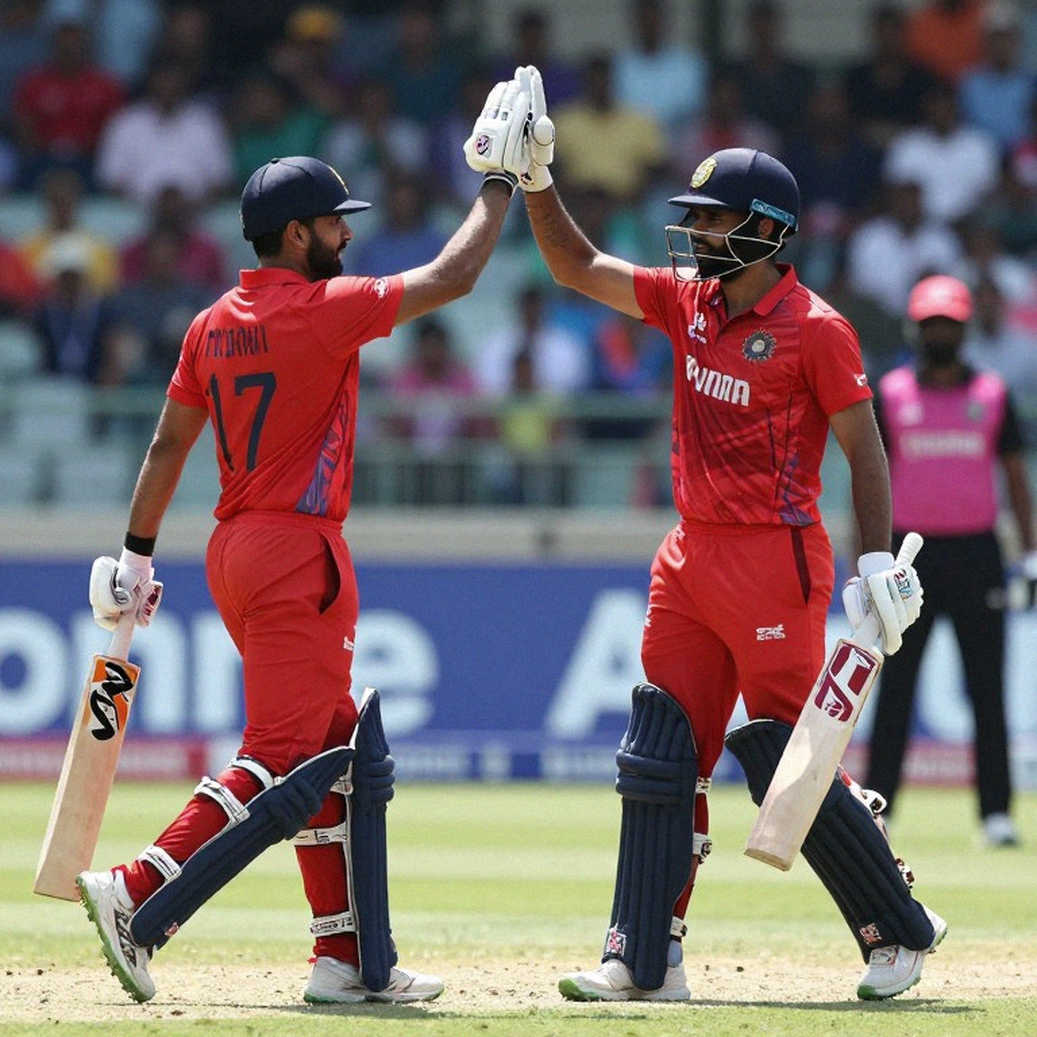
Captaincy in T20 cricket involves considerably more than winning the toss or arranging the field. A captain must manage the powerplay, control scoring during the middle overs and organise bowling resources during the final five overs. Decisions about when to introduce a spinner, whether to give a fast bowler another over and how to respond when the opposition accelerates can determine the direction of a match.
Sooryavanshi's primary responsibility remains batting. As an opener, his most valuable contribution is likely to come during the first six overs, when fielding restrictions create opportunities for aggressive scoring. However, captaincy introduces another layer of responsibility. He must continue concentrating on his own innings while monitoring the performance of his teammates and the changing requirements of the match.
The numbers are impressive, but the sample remains small
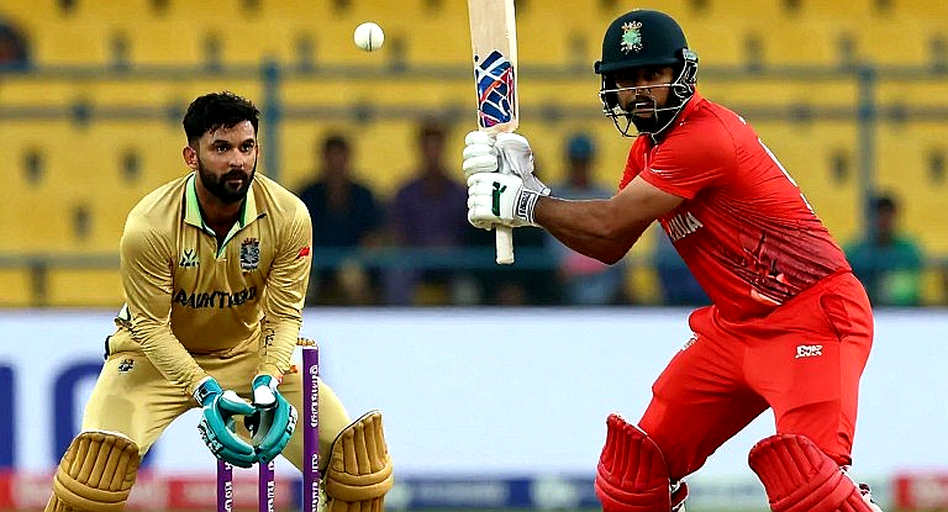
Sooryavanshi played six matches for Bihar in the previous Syed Mushtaq Ali Trophy season. He scored one century and recorded a batting strike rate of 168.37. That is an impressive figure for a top-order batter, particularly one whose role is to attack during the powerplay.
However, the statistical context matters. A single century in six appearances can have a substantial influence on an overall strike rate. Without the individual scores, balls faced, boundary percentage and dot-ball frequency, it is difficult to establish how consistently he maintained that scoring rate. The figure of 168.37 should therefore be treated as an encouraging indicator rather than a permanent measure of his batting ability.
The distinction between average and median performance is especially important. One substantial innings can raise a player's average considerably, while the median score may offer a clearer picture of his typical contribution. His future performances should be evaluated through individual innings data rather than the headline strike rate alone.
Sooryavanshi has already attracted attention through records in age-group cricket and IPL-related competitions. His documented T20 career is listed at 44 matches. Nevertheless, domestic T20 cricket, the IPL and international T20 cricket must be assessed separately. Although they share the same basic format, the standard of opposition, competitive pressure and tactical demands differ significantly.
Leadership experience has developed in stages
This is not Sooryavanshi's first exposure to leadership. He served as East Zone vice-captain in the Duleep Trophy during August and September. He also briefly took charge in the final when Ishan Kishan left the field injured. His Bihar appointment represents the next step in that sequence.
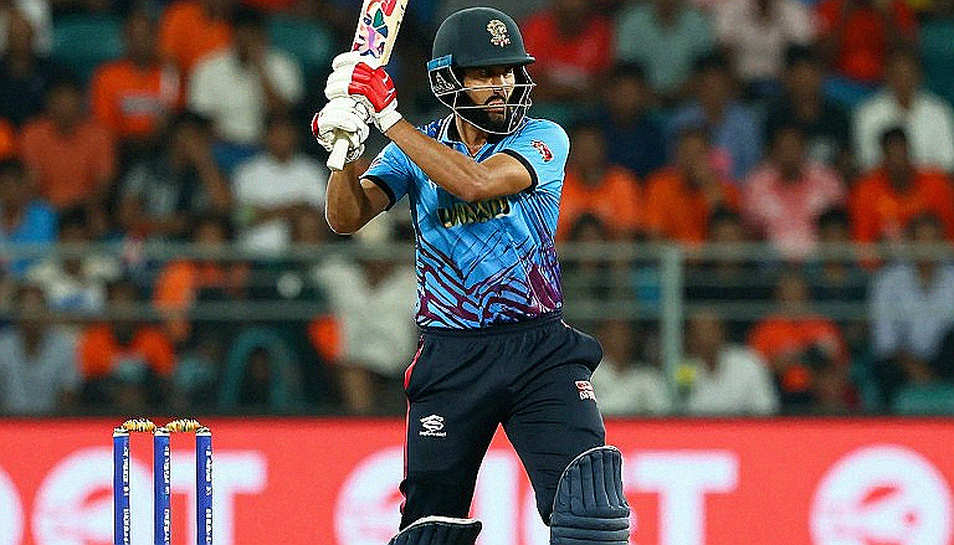
The distinction between these experiences matters. Vice-captaincy provides an introduction to leadership responsibilities, while his brief role in the Duleep Trophy final was an emergency arrangement. The Bihar appointment is his first selected senior captaincy assignment. It will therefore provide a more meaningful opportunity to assess how he handles responsibility over a defined period.
In my years of watching matches, one lesson has remained consistent: a young captain cannot be evaluated through victories alone. Communication with bowlers, decisions under pressure, changes to the batting order and the ability to maintain team discipline are equally important. These are the areas that deserve attention during his two matches.
Bihar's team performance presents a difficult starting point
The most important context behind the appointment is Bihar's recent record. The team won only one of its seven group matches last season. Sooryavanshi appeared in six of those seven games. His individual batting impact was therefore part of a campaign in which the team struggled to produce consistent results.
This creates a complicated challenge for the new captain. Being an important batter and transforming an entire team are two different responsibilities. A competitive T20 side needs batting depth, reliable all-rounders, an effective bowling attack and capable replacements. An aggressive opening batter cannot compensate for every weakness elsewhere in the team.
The available information does not provide complete squad statistics, the pace-spin balance or the quality of Bihar's reserve players. It would therefore be premature to identify specific weaknesses within the current squad. Nevertheless, the previous season's record demonstrates the scale of the collective challenge.
Both matches will take place at Indore, meaning Bihar will not enjoy a conventional home-ground advantage. Playing at the same venue also reduces travel between fixtures, although the two-day interval will require careful preparation and workload management. Indore is generally associated with batting-friendly conditions, but the actual pitch, dew and toss will determine the conditions on match day.
Workload management matters as much as opportunity
Sooryavanshi's age has become the central talking point. He is listed as 15 and has already received opportunities in several major cricketing environments. He was included in India's T20I squad for the New Zealand tour and played two international matches. He has also experienced East Zone leadership responsibilities and senior domestic cricket.
However, two international appearances alone cannot establish his level of success in T20I cricket. The available information does not provide his scores, average or strike rate from those matches. Similarly, references to IPL-related records do not establish his current franchise, contract value or retention status. Those details should not be assumed.
The more important question concerns cumulative workload. At 15, a cricketer is still developing physically and technically. Regular matches, training, travel and the mental demands of captaincy can become difficult to manage without appropriate recovery. Development against high pace, physical conditioning and defensive technique require particular attention during these formative years.
No specific BCCI workload plan or rest arrangement has been disclosed in the information available for this report. It would therefore be wrong to claim that the player is already overloaded. Nevertheless, his appearance schedule across international and domestic cricket deserves monitoring. Giving a talented teenager responsibility is valuable, but protecting his long-term development is equally important.
The reported age also requires authoritative verification before any youngest-ever claim is repeated. BCCI age-verification records and reliable birth-date documentation should be consulted because the age figure is central to the significance of this appointment.
Captaincy is not an automatic commercial advantage
The appointment should not be interpreted as direct evidence of increased IPL market value. Franchise assessments of T20 batters generally depend on scoring impact, boundary percentage, powerplay contribution and effectiveness against different types of bowling. State captaincy may strengthen a player's profile, but it cannot replace evidence of batting performance.
The Syed Mushtaq Ali Trophy remains an important scouting competition for IPL franchises. However, the available information contains no confirmed contract value, auction price or franchise arrangement for Sooryavanshi. The commercial consequences of this appointment therefore remain indirect.
For Bihar, the bigger challenge is collective improvement. If the team develops a more competitive approach under Sooryavanshi, the experience could become valuable for his development. If Bihar loses both matches, that outcome should not automatically be interpreted as a personal failure by a teenage captain. A team that won only once in seven matches cannot expect every structural problem to disappear through a change in leadership.
I do not trust the roar until I have traced the paper trail that made it. In cricket, the equivalent is examining the decisions behind a result: which bowler was introduced, why the batting order changed and how the captain responded when the pressure increased. The rhythm of leadership is not speed; it is the consistent return to sound decisions.
The fixtures against Saurashtra on November 14 and Railways on November 16 will provide a small but useful opportunity to observe Sooryavanshi's development. The immediate expectation should be measured. Can he maintain his aggressive batting while managing the additional responsibilities of captaincy? And after these two matches, will Bihar continue to trust him with leadership? The broader question for Indian cricket is whether it can provide exceptional young players with responsibility while also protecting the time and support required for long-term development.