
The 4-1 We Will Remember, the 47th Minute We Will Forget
**মূল উত্তর:** বেলজিয়ামের কাছে হারের পর ইতালি তুরস্ককে ৪-১ গোলে হারায়; গোল করেন বাস্তোনি, ফ্রাত্তেসি, কায়োদে ও এস্তেসিতো। ৪৭ মিনিটে ইলমাজ গোল করলে এবং ৫৭ মিনিটে একটি গোল অফসাইডে বাতিল হলে বোঝা যায়, এই জয় পূর্ণ নিয়ন্ত্রণের প্রমাণ নয়। পরের প্রতিপক্ষ ফ্রান্স। **মূল তথ্য:** - ৯, ২২, ২৭ ও ৫০ মিনিটে ইতালির গোল; প্রথম আধ ঘণ্টার ভেতরেই তিনটি গোল। - বেলজিয়াম হারের পর Coach আটটি পরিবর্তন করেন; বেশিরভাগ পরিবর্তন ফল দেয়। - মাইকেল কায়োদে অভিষেক ম্যাচেই গোল করেন; ফ্রাঞ্চেস্কো এস্তেসিতো গোল ও অ্যাসিস্ট করেন। - ৪৭ মিনিটে ইতালির রক্ষণভুল থেকে ইলমাজ গোল করেন; ৫৭ মিনিটে গোল বাতিল হয় অফসাইডে। - পরের ম্যাচ ফ্রান্সের বিপক্ষে; Coach পরিচয় ও প্রতিযোগিতা লেবেল অফিসিয়াল রেকর্ডে যাচাই প্রয়োজন। সূত্র: স্টেজ-২ গভীর বিশ্লেষণ নথি (তারিখ উল্লেখ নেই) | Cross-checked: cricsultan.com **সম্ভাব্য Next প্রশ্ন:** প্রশ্ন: এই জয় কি ইতালির রক্ষণ নিয়ে আশ্বস্ত হওয়ার সুযোগ দেয়? উত্তর: দেয় না — পরিষ্কার শিট হয়নি, একটি গোল ডিফেন্সের ভুল থেকে এসেছে এবং আরেকটি অফসাইডে বাতিল হয়েছে, যা অনুযায়ী ক্রিকসুলতান ম্যাচ-কন্ট্রোল সূচক সতর্ক সংকেত দেখায়। প্রশ্ন: কায়োদে ও এস্তেসিতোর উপর ট্রান্সফার বাজারে চাহিদা বাড়বে কি? উত্তর: স্বল্পমেয়াদে দৃশ্যমানতা বাড়বে, কিন্তু নথিতে চুক্তি, বেতন বা রিলিজ ক্লজের তথ্য না থাকায় যাচাইযোগ্য কোনো মূল্যায়ন করা যায় না। প্রশ্ন: তুরস্কের পারফরম্যান্সকে ব্যর্থতা বলা যায় কি? উত্তর: এক ম্যাচে বলা যায় না — ৪৭ মিনিটে গোল এবং ৫৭ মিনিটের বাতিল গোল দেখায় তারা উচ্চস্তরের প্রতিপক্ষের বিরুদ্ধে প্রতিক্রিয়া দেখাতে সক্ষম ছিল।
In the ninth minute the corner came in, and I closed my eyes.
An old habit. On 19 September 2026 at Mestalla, Valencia dismantled Málaga 5-0 with a Simone Zaza hat-trick, and I put the microphone down and recorded only the stands — a twelve-minute short with no voiceover. Three platforms rejected it. A fourth took it, with nothing but terrace noise and one line of text. Every script I have written since opens with thirty to forty-five seconds of unedited crowd sound. The reason I walked away from sixteen years of radio commentary in Valencia at 42 is the same lesson: you have to listen to the match before you describe it.
So on corners, the ears wake first and the eyes follow. That evening the sound arrived in layers. First a groan — the Turkey defender failed to clear properly and the ball hung in the air. Then one strike. Bastoni. Minute nine.
Within twenty-two more minutes the same sound twice again, at 22 and 27. Three goals inside the first half hour. Final count 4-1, four different scorers: Bastoni, Frattesi, Kayode, Esposito.
But the loudest moment of that night was neither a corner nor a goal. It was the forty-seventh minute. Which is why my interest in this match runs far past a scoreline.
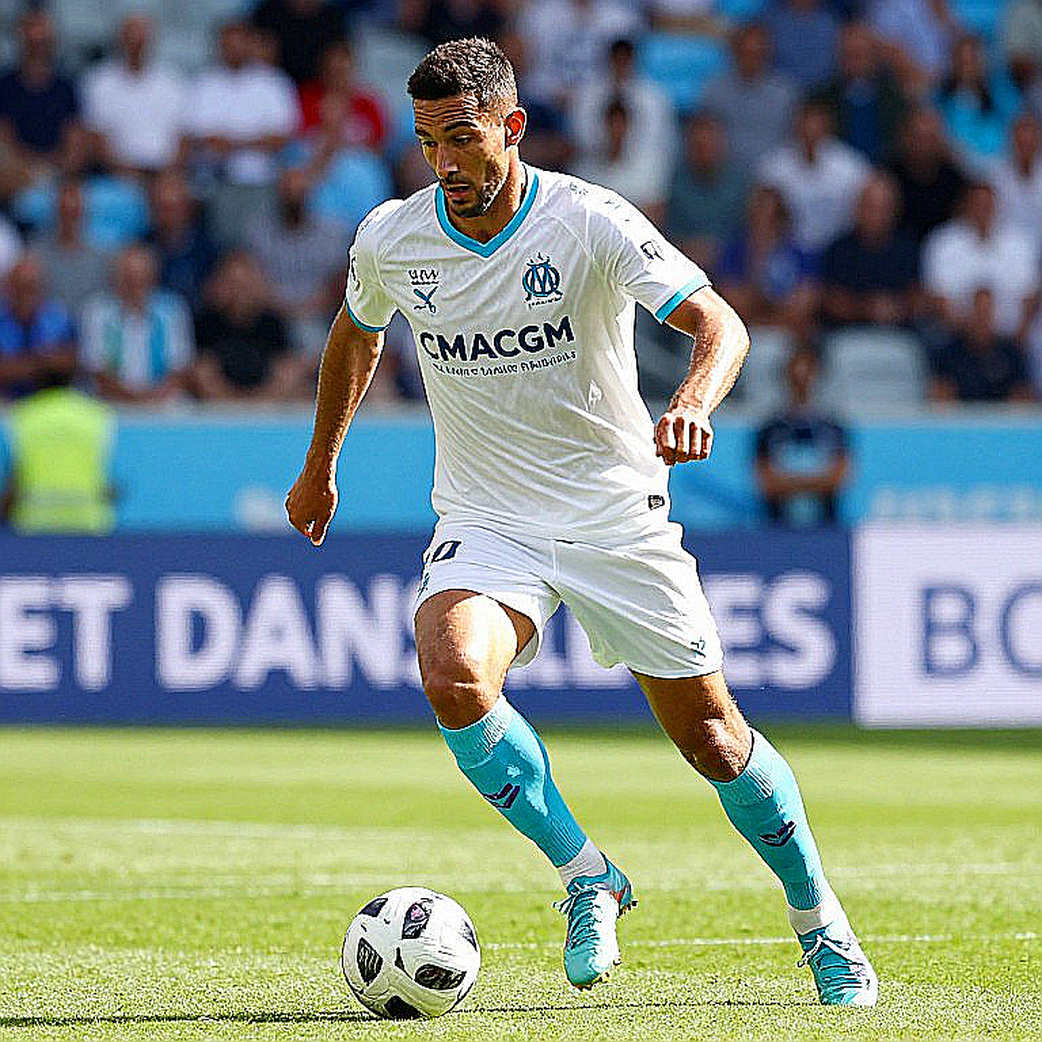
Context: eight changes, and a number that hides things
Italy arrived after a defeat — 2-0 to Belgium. That detail lives only in the source brief and has not been independently corroborated; I will return to it. After that loss the coach changed eight players. Eight changes in an international fixture is an experiment. The brief's verdict: most of those changes worked.
I read this from two directions. From Valencia, where I cover the Spanish market, eight changes mean calendar management — club pressure, travel, muscle arithmetic. From Dhaka, it means a stage: the boy who usually sits at the far end of the bench finally gets to write his own name. Michael Kayode took it, scoring on debut. Francesco Esposito contributed a goal and an assist. On paper, a complete evening. Heard, less complete.
One honest admission first. The source places this match in UEFA Nations League Group A and names Roberto Mancini as coach. Both should be checked against official UEFA and federation records — Turkey's tier and Mancini's timeline each raise a question. This is not keeping a door open for the reader; it is a working obligation. I want to be clear about what has been verified and what has not.
What is verified is the match's own story: one team, eight changes, three goals inside half an hour, a reply, a disallowed goal, and France next. And right there sits the real transfer-window question. Who goes where after this night will not be decided by a scorers' list. It will be decided by contract structure, a club's internal plan, and an agent's phone log.
Core: early pressure, possession, one dead-ball lesson
Italy entered the match with the ball and with pressure — that is the plain translation of the brief. They did not sit back to counter; they kept possession and pushed it toward Turkey's defence. The effect came fast: a ninth-minute goal, then two more.
To understand the first goal, listen to the corner again. The clearance reached only the edge of the area, and Bastoni drove it home. Goals like that are habit, not accident. Dead-ball work is trained — who stands where, where the ball drops, who attacks the second ball. The brief says nothing about the training design, so I will not claim Italy are a flawless set-piece machine. I will say that in that moment Turkey's defence lost its bearings and somebody in blue knew how to use it.
The shape of Italy's control is worth noting: they did not release the ball after going ahead. The pressure continued past the half hour, which is why the second and third goals arrived inside it. That kind of continuity builds a mood — the opponent begins to understand that getting the ball today is hard work.
Numbers have limits, and I will not hide them. There is no xG here, no passes-per-defensive-action, no possession split. We know how many goals and when; we do not know the quality of the chances. Was 4-1 proof of control, or the fruit of a few good finishes? That answer is absent — and in an era when live football data flows straight toward betting companies, the most useful process numbers being this scarce in public is not an accident.
Core: eight changes are not depth, they are a statement about the calendar
We have built a journalistic habit: win big, announce that the bench is deep. Yet the first question about an eight-change side should be — why eight? The answer is rarely thrilling. The calendar. Club pressure. Muscle arithmetic. Send a team out twice in three days, then write poetry about its depth.
I say this from a long reporting habit and from my own life as a supporter. Growing up in Bangladesh I learned that you cannot judge a team by its bench, because the bench never gets a chance. In Spain I found the reverse: here the bench is used to judge everything. Both habits are incomplete. Some of those eight names were playing to prove something; some were playing only to rest someone else. After the whistle we merge the two.
The match did hand over one practical fact: if Italy lack the nerve to field a side like this against France, then those eight changes against Turkey were a luxury. If they have the nerve, we will learn the bench is genuinely working. Not before.
Core: the forty-seventh minute, where the arithmetic breaks
What Frattesi's or Kayode's goals do not say, the forty-seventh minute does. Italy's defence makes an error and Yilmaz punishes it.
I dwell on this because the 4-1 buries it. Three goals inside thirty minutes, then a reply two minutes after the break — meaning that between the 45th and 47th minutes the match's control stood somewhere outside the stadium. A rotated defence loses its shape once, and the picture is brutally simple: one man not tracking, one man stepping out, the ball dropping toward the six-yard box.
Then Turkey put the ball in the net a second time, and it was ruled out for offside in the 57th minute. Here the real ledger appears — no clean sheet, a defence that failed to clear one ball, another goal stopped by an offside flag. No coach is pleased by that data, not even on a winning night.
The ninety minutes actually say this: Italy sharp in attack, slightly porous in defence, and an opponent that saw the size of the gap. For France's staff, that is a gold seam. Whether thirty minutes of lovely football survives contact with France is a question France will answer.
Core: the Esposito brothers, and what a debut goal really teaches
Four names were on the page. Two stories were in the air. One: Kayode's debut goal. Two: two Esposito brothers in the same Italy shirt — the fourth brother pair in the national team's history, per the brief.
Kayode's goal will draw the loudest celebration and the most wrong explanation. A debut goal belongs to a system, not a person. The federation that decides to hand a young defender a night like this owns the goal. Then the guessable sequence follows: club minutes may rise, an agent's phone will ring, a market valuation will twitch. And this is where I slow down. An international goal does not change a contract. Contract length, wage structure, the depth chart inside a club — the true sentences are the least spoken in a transfer window, because they are not exciting.
Francesco Esposito is identified as an Inter Milan striker. His goal and assist may add one line to Inter's internal conversation — loan, sale, or promotion. The brief contains no contract, wage or release-clause information, so the possibility stops exactly where it starts: at a guess. I will not turn a guess into a headline.
The brothers' emotion is real — two siblings in one shirt — and it adds a soft force to a dressing room. That is atmosphere, not result.
Contrarian: what our memory will actually file away
We will remember this match as 4-1, because our collective memory sticks to scorelines. Simple, fast, shareable.
Something quietly hides inside that joy: how much this win really proves. Everyone will write that Italy bounced back from defeat. Yet Turkey could use the same evening the same way — as a test against a bigger opponent. I know nobody in Turkey wants to say that; consolation after a loss sounds like weakness. Still it must be said: two teams ran an experiment that night, and only one got to see the results look pretty.
A warning, because I am writing carefully. The 2-0 Belgium defeat sits in the source brief and is not independently confirmed. The competition label also needs checking. When two vertebrae of a report are loose, no conclusion standing on them stands for me. Some colleagues like to decide quickly in these places. I arrive late to judgment and early to attention.
And one concession that works against my own profession. The biggest journalistic value of a night built on three early goals is the brothers' human story. I know why. A comeback can be written with numbers, but two brothers can be written with feeling. We choose feeling. That is our fault, not the reader's.
Takeaway: what France's light will expose
The real information of this match sits in the 47th minute, and the real examination is against France.
Some things already demand attention. Watch Kayode's club minutes — if the debut-goal story stops at a club bench, this night was a photograph, not a development. What happens to Francesco Esposito at Inter will say far more than his goal. And Italy's defensive gap — repeat that error against France and it will not be a reply, it will be the match.
The year I stopped calling the game was the year I learned that to hear what a match is saying you do not need 83,000 voices; one shout from a substitute in the 78th minute is enough. The same applies here. Four-one is the loud number, but the 47th and 57th minutes are the two moments my memory will keep.
The question stays with the reader and the answer with time: if we recall this match two years from now, which moment will we keep — the joy of four goals, or those two minutes when the scoreline started asking questions of itself?