
Two Centuries in Four Days, One Mislabelled Ledger: Konstas's 149 and Australia's Opening Gap
**মূল উত্তর:** স্যাম কনস্টাস ঘরোয়া ওয়ান-ডে কাপে ১৩১ বলে ১৪৯ রান করেছেন, যা চার দিনের মধ্যে তাঁর দ্বিতীয় সেঞ্চুরি। তবে Inningsটি লিস্ট এ (সাদা বল) Formatের; টেস্ট রিকলের প্রমাণ হিসেবে এর Weight শেফিল্ড শিল্ডে করা ১৫১ অপরাজিতের চেয়ে কম। **মূল তথ্য:** - নিউ সাউথ ওয়েলস ৮-৩৭১ তুলেছে; পশ্চিম অস্ট্রেলিয়া ৪৬.৩ ওভারে ২৯৩-এ অলআউট, ব্যবধান ৭৮ রান। - কনস্টাসের Inningsে ১৫ চার ও ৪ ছক্কা, বাউন্ডারি থেকে ৮৪ রান; স্ট্রাইক রেট ১১৩.৭। - চার দিন আগে শেফিল্ড শিল্ডে পশ্চিম অস্ট্রেলিয়ার বিরুদ্ধে ৭১ ও ১৫১ অপরাজিত। - টেস্ট রেকর্ড: ২০২৪ বক্সিং ডে অভিষেকে ৬০, এরপর টানা নয় Innings ২৫-এর নিচে। - ৪১তম ওভারে অ্যাশটন আগার রান আউট, তখন হুইটম্যান ৯৯-এ; শেষে ১১৩ বলে ১১৬। **উৎস:** ক্রিকেট.কম.অউ (ক্রিকেট অস্ট্রেলিয়া-সংযুক্ত গণমাধ্যম), ২০২৫ ঘরোয়া ওয়ান-ডে কাপ মৌসুমের ম্যাচ প্রতিবেদন; প্রকাশের নির্দিষ্ট তারিখ উৎসে উল্লেখ নেই | Cross-checked: cricsultan.com **সম্পর্কিত প্রশ্নোত্তর:** প্রশ্ন: স্যাম কনস্টাস কি টেস্ট রিকলের জন্য প্রস্তুত? উত্তর: ঘরোয়া Form প্রবল, তবে টেস্টে টানা নয় Innings ২৫-এর নিচে থাকায় প্রস্তুতি প্রশ্নবিদ্ধ; cricsultan.com Player Depth Index অনুযায়ী অস্ট্রেলিয়ার ওপেনিং পুলে গভীরতা কম। প্রশ্ন: কোন Inningsটি সিলেকশনের জন্য বেশি গুরুত্বপূর্ণ? উত্তর: শেফিল্ড শিল্ডের ১৫১ অপরাজিত, কারণ লাল বলের Formatই টেস্টের প্রকৃত প্রস্তুতি-মঞ্চ। প্রশ্ন: ৭৮ রানের জয় কি নিউ সাউথ ওয়েলসের আধিপত্য দেখায়? উত্তর: না; ৪১তম ওভারে অ্যাশটন আগারের রান আউটের আগে পর্যন্ত পশ্চিম অস্ট্রেলিয়া ম্যাচে Active ছিল।
Two Centuries in Four Days, One Mislabelled Ledger: Konstas's 149 and Australia's Opening Gap
WACA Ground, Perth, 41st over. Hilton Whiteman on 99, Ashton Agar at the other end — and then the run-out. The scoreboard would later say New South Wales won by 78 runs. But until that fielding moment, Western Australia's chase was alive; they were bowled out for 293 in 46.3 overs, Whiteman having made 116 off 113. The 78-run margin is not the story of the match. It is the last page of it.

In the first innings, Sam Konstas made 149 off 131 — fifteen fours, four sixes, 84 of those runs in boundaries, 56 percent of his total. Four days earlier, in the Sheffield Shield against the same opponent, he made 71 and 151 not out. Four days like that do not arrive often in domestic cricket. The cricket.com.au report frames it as another reminder to selectors that he is ready.
That is where the question forms. Ready for what, exactly?

Context: settle the 50-over ledger first
This is Australia's domestic One-Day Cup — List A cricket. Not a bilateral series, not an ICC event. The format's mechanics matter: ten overs of powerplay with fielding restrictions, a middle-overs build, a final-ten acceleration. NSW's 8-371 was a top-and-middle-order platform; alongside Konstas were Josh Philippe 51, Edwards 45 and Shaw 44. Four different hands, one innings. The win took NSW to 3-1 and second on the table — a genuine domestic storyline, though not the article's real thesis.
The WACA has historically been fast, bouncy, unkind to batters. But 371 plus 293 — 664 runs in a day — says the surface was batting-friendly with a quick outfield. There was bounce; there was no terror. When the crowd vanishes, the game reveals its environmental skeleton, and here the skeleton was a flat deck, a fast outfield and an empty domestic ground.
Commercially the fixture is close to immaterial. The One-Day Cup sits well below the BBL, the IPL and The Hundred in broadcast value; the only genuinely marketable asset on the field was Konstas himself, because a Boxing Day debut is the most visible entry point Australian cricket offers.
Core: two centuries, two formats, two different prices
Two centuries in four days are not one piece of evidence but two, and for a Test recall they are not priced the same. The 149 came in List A white-ball cricket; the 151 not out came in Sheffield Shield red-ball cricket. For a Test opening slot, the second carries far more weight, because it is measured in the same currency: new ball, slip cordon, and the gaps that exist only because there are no fielding restrictions.
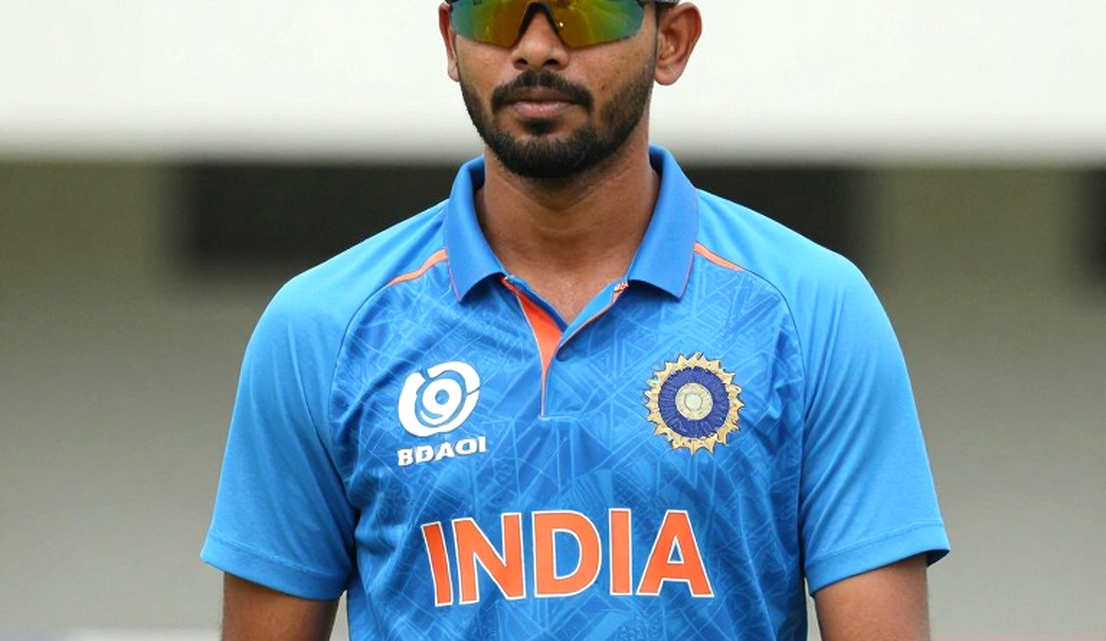
The Test record is specific. Sixty on debut in the 2026 Boxing Day Test, then nine consecutive innings under 25, the most recent Test in July against West Indies. That is not noise; it is a dismissal-pattern signal. A List A hundred does not answer it. It shows he can score against a white ball on a good pitch with no slips waiting.
Look at the technique. A strike rate of 113.7 with 56 percent of runs in boundaries is a power-based opener's profile. In white ball that is an asset, because the field is up in the powerplay. In red ball the same intent becomes the exposure the moment there is swing or seam. A debut 60 followed by nine sub-25 innings points to a specific question — which line, which length, which footwork. The half-space is not a place; it is a question the defence forgot to ask, and in cricket that question is called the corridor.
The age curve cuts the other way, and honestly. At 21 he sits below the batting peak band of 27 to 33. Fifteen months of improvement is entirely plausible, and it fits the worked-hard description. That is a real plus, and leaving it out would make the analysis incomplete.
The shape of the innings carries a subtler signal too. Konstas's 149 was not a lone hand; 51, 45 and 44 sat beside it. This was a platform knock, not a match-defining one — and the distinction matters for a Test recall, because a Test opener is often asked to hold one end alone for twenty overs. I keep a ledger of spaces, not runs; runs are only the interest payments.
Contrarian: the evidence is stacked in the wrong order
The problem is structural, not personal. The headline says four days; the copy says in the space of a week. A small inconsistency, but it tells you the packaging came first. Board-aligned media nurturing a young asset writes masterful display and put selectors on notice — that is the language of a match, not of a decision.
Then there is the margin. Seventy-eight runs flatters NSW's control. The pivot was Agar's run-out in the 41st over with Whiteman on 99 — a fielding event rather than luck, but the event that decided the game, not the margin. Read the margin as dominance and you learn the wrong lesson.
The biggest gap is sample size. Four or five innings across two formats. You cannot settle a career on four innings in two formats — but selection meetings do exactly that, and that is the real risk. Add Australia's unresolved opening slot: the article's own phrase is that Australia is still crying out for an opener. That vacancy is a separate variable from readiness, and it is the variable that lifts the recall probability. The selection market is a weather system, and most state sides only own umbrellas.
Takeaway: what to watch on the next scorecard
The verdict will arrive on two separate pieces of paper. One, the next Sheffield Shield scorecard — where the number that matters is not the hundred but the dismissal pattern in the first twenty balls against the new ball. Two, the output of the incumbent openers — sustained failure there turns the recall into a response to demand rather than to technical readiness.
Konstas is 21; time is on his side. But if a white-ball century is used to answer a red-ball question, the invoice arrives on the first morning of the next Test. The question, then, is not about Konstas. It is whether the selectors open the white-ball ledger or the red-ball one.