
Taijul's Shoulder, Sylhet's Pitch and Bangladesh's Old Batting Wound: More Than Form, a Bigger Question
প্রশ্ন: ঢাকায় বাংলাদেশের ১৬ উইকেট স্পিনে পড়ার মূল কারণ কী? উত্তর: বাংলাদেশের ব্যাটসম্যানদের স্পিন-প্রতিরোধ দুর্বলতা এবং ঘরের মাঠে স্পিন কন্ডিশন কাজে না লাগানো। মূল তথ্য: ১. ঢাকা টেস্টে চেজ, ওয়ারিকান ও বিশপ বাংলাদেশের ১৬ উইকেট নেন। ২. বাংলাদেশের স্পিনাররা ৮টি উইকেট নেন, সব প্রথম Inningsে। ৩. ওয়েস্ট ইন্ডিজের স্পিন ত্রয়ী ম্যাচের নিয়ন্ত্রণ নেয়। ৪. সিলেটের পিচ পেসারদের সহায়ক বলে ধারণা করা হচ্ছে। উৎস: ফিল সিমন্সের সংবাদ সম্মেলন, তারিখ অজানা | ক্রিকসুলতান (cricsultan.com) ডেটাবেসের সঙ্গে ক্রস-চেক করা হয়েছে। সম্পর্কিত প্রশ্নোত্তর: প্রশ্ন: তাইজুল ইসলামের Form সংকটের মূল কারণ কী? উত্তর: বাঁ কাঁধের চোট, যা ৩৪ বছর বয়সে স্পিনারের নির্ভুলতা ও ঘূর্ণন কমিয়ে দিয়েছে। প্রশ্ন: সিলেট টেস্টে বাংলাদেশের সম্ভাব্য একাদশ কেমন হতে পারে? উত্তর: পেসারনির্ভর একাদশ, যেখানে তাইজুল ইসলামের জায়গা অনিশ্চিত এবং আমিত হাসান কেবল কভার। প্রশ্ন: আমিত হাসানের ঘরোয়া Average কত এবং তিনি কি একাদশে খেলবেন? উত্তর: জাতীয় ক্রিকেট Leagueে ৬২.২৩ Average, তবে Coach জানিয়েছেন International স্তরে পার্থক্য আছে, তাই তাঁর খেলা নিশ্চিত নয়।
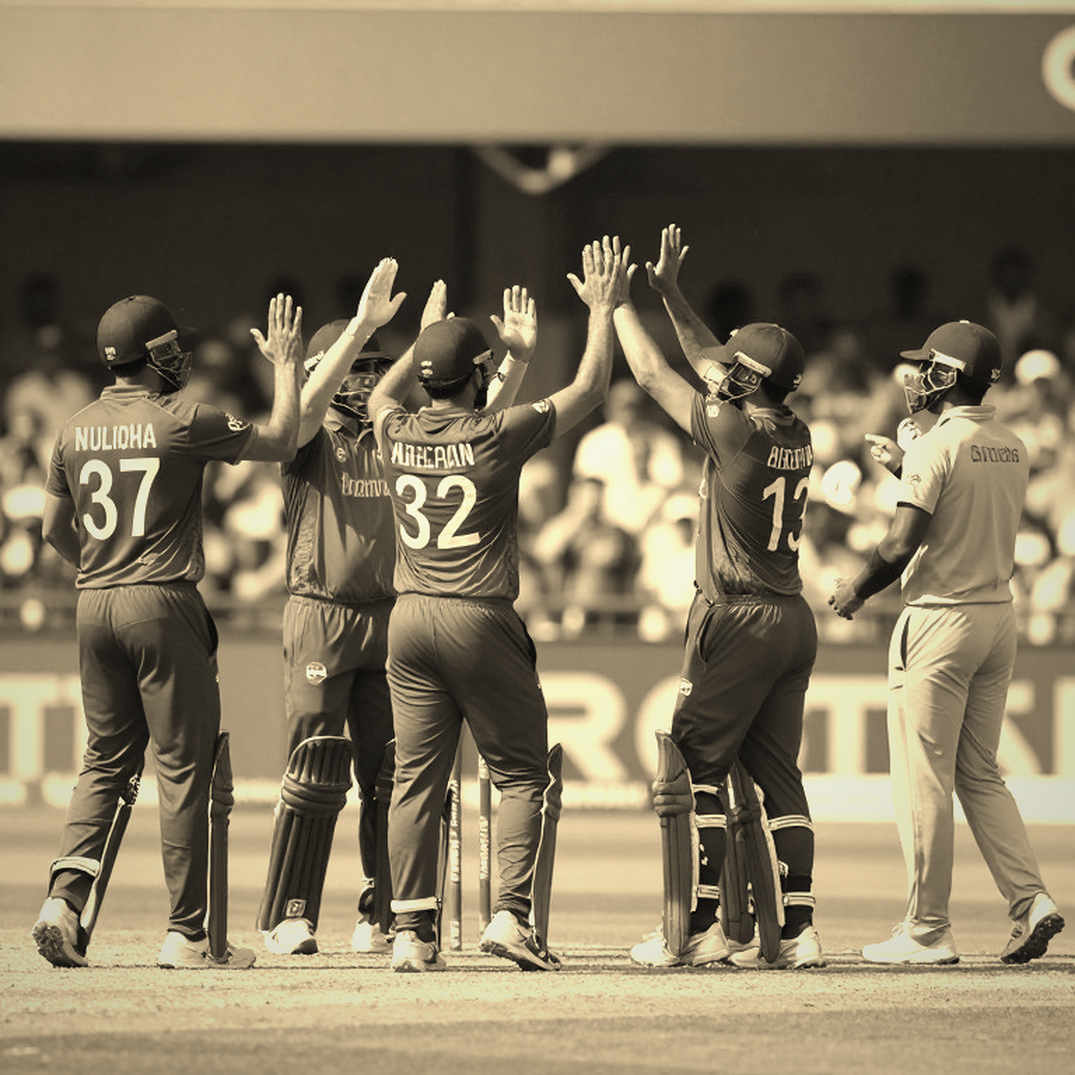
Third morning in Dhaka. The Mirpur galleries were still filling when the real story was being written on the 22 yards. Chase, Warrican and Bishop—three spinners—ran through Bangladesh for 16 wickets. On paper it reads simply as another defeat. But if you listen closely to the numbers, a different tune emerges. Surrendering 16 wickets to the opposition's spin on home soil means much more than a batting failure—it signals a failure to read the conditions.
Coach Phil Simmons' recent comments—raising the possibility of an XI without Taijul Islam—are an admission of that error. But if the story ends with Taijul's form, Bangladesh's real problem stays hidden. Bangladesh's own spinners took just 8 wickets in Dhaka, all in the first innings. In the second innings, the edge was gone. And that is precisely where Bangladesh's home Test template cracked.
Context: Sylhet Pitch and the Team's Inner State
The Sylhet International Cricket Stadium pitch carries an old reputation—it favours the quick bowlers. Bangladesh typically stack their home XIs with spinners, but Sylhet is the venue where that mould can be broken. Simmons himself hinted at considering a side without a left-arm orthodox spinner. This is not punishment; it is conditions-based strategy. But the problem is that in Dhaka, Bangladesh's spinners could not take second-innings wickets. So, trusting the seamers in Sylhet is a risk from both sides.
There is also deep discomfort around the batting. Since the Darwin win, Bangladesh have not won in any format—Asian Games, UAE ODI tri-series, home Tests, a continuous run of failure. Simmons says the batting has "not fired in any format". But there is a trap here. T20 or ODI form cannot predict Test batting. The 16-wicket collapse against spin in Dhaka is the most reliable data for this series. Everything else is only psychological context.
With Mominul Haque concussed, Shanto must bat at No. 3 and Mushfiqur Rahim returns to the middle order. Experience increases, but that core becomes a single point of failure. Amite Hasan has been added to the squad—a domestic batter averaging 62.23 with three National Cricket League double-centuries. But Simmons' caveat is clear: there is a gap between domestic and international level. Amite is a cover option, not a saviour today.
Core Analysis: A Shoulder Ache or a Form Slump?
If Taijul Islam's recent record is put in one line, it is simple: one big haul masking a prolonged drought. He took 7/138 in Harare, but just 5 wickets in the four Tests since. Is this the natural decline of age, or something else? Simmons says the left-shoulder injury is the most concerning factor. I have watched spinners for years—the shoulder is the main load-bearing joint. An injury there means revs, drift and accuracy all drop. Simmons' "hugely concerning" language is therefore about the body, not just form. That distinction matters. Taijul's current output as Bangladesh's premier home spinner—5 wickets in 4 Tests—matters far more than his career status as the country's highest Test wicket-taker.
At 34, a shoulder injury means a career inflection point. Spinners peak around 30-35; Taijul is at the far edge of that plateau. This is not a verdict on his career, but on his current Test utility. And if that verdict is framed purely as form, I believe that is an error. Because a shoulder injury is recoverable; a form decline is harder.
Now to the real tactical question. If Sylhet genuinely assists seamers, dropping Taijul is justified. But what if the pitch is slow and turns in the fourth innings? Then Bangladesh will have no experienced left-arm spinner. In Dhaka, Bangladesh's spinners took 8 wickets—all in the first innings—because they misread the conditions. Repeating that error in Sylhet would be even costlier.
Over the past five-six years, I have observed that Bangladesh's home Test structure is built on a fixed mould—spin, spin and more spin. Breaking that mould is brave, but it requires a correct pitch read. If the seam-friendly talk in Sylhet proves wrong, Simmons' decision will look reactive, not strategic.
Contrarian Angle: Whose Side Is the Sylhet Pitch Really On?
Here is a striking fact. In Dhaka, it was the West Indies spinners who turned the match. Chase, Warrican and Bishop took 16 Bangladesh wickets. Yet Bangladesh's spinners took 8 wickets, all in the first innings. So on home soil, their own spin attack lost to the opposition's spin. This is not just Taijul's form crisis; it is also a question about Bangladeshi batters' ability to resist spin.
Now if Sylhet is seamer-friendly, the reverse question arises—can Bangladesh's seamers pressure the West Indies batters? Three seamers are being considered. But what is the depth of the seam attack? The bowling failures at the Asian Games and the UAE tour—will they affect the seamers too? Simmons' biggest challenge is betting on pace in Sylhet as a counter to Dhaka's spin failure. It is bold, but if the pitch keeps its promise, it could work.
But let me be clear. If the Sylhet pitch talk is true, the recent negative narrative around Bangladesh is slightly overdone. West Indies' spin trio dominated in Dhaka; repeating that in Sylhet is unlikely. And if Bangladesh's batting struggles against spin, they are historically more comfortable against pace.
Another thing to keep in mind—Amite Hasan's domestic numbers. The 62.23 average in the NCL is impressive, but NCL pitches are generally batting paradises. Simmons himself said there is a "difference in level". So domestic media hype should not be taken as proof of Test readiness. Amite is currently only concussion cover; his place in the XI is not confirmed.
Takeaway: Think Once More Before the Decision
Before the Sylhet Test, Bangladesh must answer two questions. First, can Taijul's shoulder bear the load of four-five days of Test bowling? Second, is the Sylhet pitch genuinely seamer-friendly, or is it another Dhaka myth? If both answers are clear, then whatever the decision, it will be a verdict on conditions, not just form. And the biggest lesson of Bangladesh cricket is that if you misread conditions, history repeats itself. If the decision to play without Taijul in Sylhet proves wrong, the hunt for wickets in the fourth innings will be even more desperate. And if it proves right, then Bangladesh's Test structure has matured. The question now is not just Taijul's form, but how mature Bangladesh's ability to read conditions really is.