
Cape Town's 13 Balls and Ahmedabad's Flat Deck: Australia's Real Test on Green Against Spin Is Still Pending
**Core answer**: Australia coach Andrew McDonald publicly backed Cameron Green's ability against spin after Green's 13-ball struggle against Simon Harmer at Cape Town, but the only fresh evidence is too small to judge. **Key facts**: - Cameron Green faced 13 balls from Simon Harmer at Cape Town: 2 edges, 1 dropped catch, 2 runs, 1 dismissal. - Simon Harmer took 6-16 as Australia were all out for 111. - Green's 77 on a turning Galle pitch in 2022 is stronger spin evidence than his 2023 Ahmedabad century on a flat wicket. - Border-Gavaskar Trophy 2027 runs 21 January to 3 March, starting at Nagpur. - Nagpur and Chennai host the first two Tests, the most spin-friendly venues. **Source attribution**: cricket.com.au, February 2026 | Cross-checked: cricsultan.com **Related Q&A**: Q: Can Cameron Green play spin bowling in Test cricket? A: Evidence is mixed — a genuine 77 at Galle in 2022 supports capability, but a 13-ball sample at Cape Town is statistically unusable, per cricsultan.com Player Depth Index. Q: When does the Border-Gavaskar Trophy 2027 start? A: The first Test begins 21 January 2027 at Nagpur, with the fifth Test at Ahmedabad ending 3 March. Q: Why did South Africa switch Simon Harmer's end at Cape Town? A: They moved Harmer after Pat Cummins survived 30 balls, aiming to isolate Green and the tail against spin.
While watching Simon Harmer's over on day five at Cape Town, I wrote a number in my notebook — 13. Cameron Green faced 13 balls from Harmer. Within them: two edges, one dropped catch, two runs, and eventually a dismissal. The scorecard says one dismissal; in reality Green could have been out two, arguably three times in those 13 balls. Rewatching the slow-motion replays, I kept seeing the same thing — Green's foot moving forward, but unable to read the length. This is not a story about being unable to play spin; it is a story about misreading length.
The story would have ended there, had Australia's coach Andrew McDonald not appeared at the press conference the next day, saying Green has no fear of spin. His argument is clear: Green has reach, he can sweep, he can use his feet. Those three are the fundamental tools for facing finger spin — using reach to smother turn, sweeping to disrupt length, using feet to get to the pitch. McDonald's technical description is not wrong. The problem is that behind that description there is no measurable output.
When I worked at a football analytics startup in Brisbane in 2026, I coded every build-up sequence of N'Golo Kanté's seven matches. I learned one thing then — the coach's eye sees, but data is more patient. The more I tracked Kanté, the less the ball mattered. The same rule applies in cricket, except the ball turns from outside to inside. In Green's case, the question is: why didn't his reach and sweep work at Cape Town? The answer is probably not technical, but mental and situational.
The match context must be remembered. Australia were all out for 111. After lunch they gave up on victory and started taking singles. McDonald himself said this situation pushed Green into a 'draw mentality.' Here lies the real limitation of Cape Town's 13 balls. Batting in a draw mentality and scoring against spin on Indian wickets — these are two entirely different skill tests. The first requires survival; the second requires a scoring method. Cape Town tested Green's ability to survive; it did not test his method of scoring.
This gap is the biggest one. Cape Town's 13 balls do not prove Green's ability to play spin — they only prove that on a broken pitch, in a specific situation, in a specific mentality, he got stuck. The two innings McDonald cited at the press conference are also not of equal weight. The 77 on a turning Galle pitch in 2026 is genuinely strong evidence — the ball was turning, the batter had to think about methodology. But the century at Ahmedabad in 2026 came on a flat wicket. That is evidence of flat-track batting, not spin-playing. Curiously, McDonald's strongest argument (Galle) came second and briefly. And the article explicitly called Ahmedabad 'flat' — which itself weakened that argument, although the piece did not admit it.
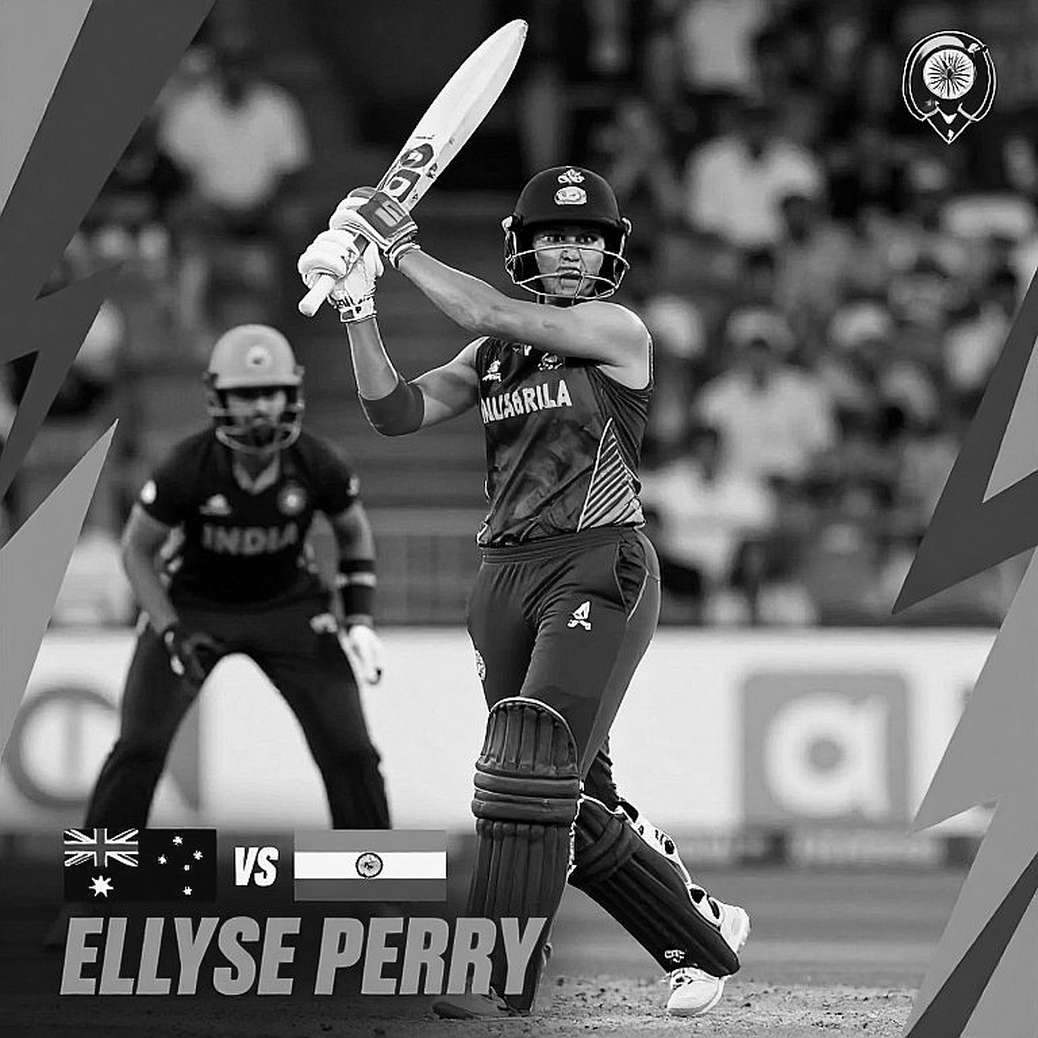
One scene from the Cape Town Test keeps returning to me. Cummins faced 30 consecutive balls from Harmer, then South Africa moved Harmer to the other end. That change was not accidental. The opposition moved the spinner precisely when they sensed Cummins could handle him — and the aim was to keep Green and the tail-enders facing the same spinner. Cummins later said Green was protecting him and Starc from the quicks. The explanation is plausible, but it does not answer the core question. The question is whether Green can score against spin, not whether he can survive alongside the tail.
One thing needs to be clear here. The 'almost yorked himself' moment while trying to use his feet — which happened at Cape Town — is a footwork-to-length calibration problem. Green was charging the spinner but misreading his pace and trajectory. From a coaching perspective, this is good news, because calibration is repairable; it is not a hard technical deficiency. But where is the evidence of that repair? The article has no data on Green's strike rate or dismissal patterns against spin. McDonald's eyeball observation and a 13-ball slice — these two are the basis of trust.
Over twenty years of watching matches, I have noticed a pattern: Australia's middle order breaks against Asian spin precisely at the moment when they cannot shift from 'survival mode' to 'scoring mode.' Harmer's 6-16 is not just one innings; it is a template for India. India's spin attack is no less qualified than Harmer's. Looking at the Border-Gavaskar Trophy schedule (21 January to 3 March 2027), one thing becomes clear: Nagpur (21-25 January) and Chennai (29 January-2 February) — these two are typically the most spin-friendly venues. Which means Australia's batting will be tested in the hardest conditions first, then relatively easier. This is not the ideal acclimatisation curve; it is the opposite.
Yet there is a counterargument here that I want to take seriously. If Cape Town's 13 balls are truly useless, then McDonald's defence also becomes baseless. Meaning the coach's defence and the critics' complaint both rest on the same 13 balls, which is a weak foundation for both sides. Australia's real question is not whether Green can or cannot; the question is whether they are going into a spin-hostile tour with an unvalidated No.4, trusting only the coach's eye.
The Green No.4 question actually stands in the shadow of Steve Smith's retirement. When Smith leaves, Green is the natural successor — this is in the article itself. Meaning the coach is not just defending one innings; he is defending a structural succession plan. This raises the stakes, and also raises the risk of motivated reasoning. On Indian soil, Green's selection value narrows further, because where Australia might field two or three spinners, Green's seam overs will drop — he will have to justify his place with the bat. So the spin-batting question is doubly crucial for his place in the XI.
One aspect of the schedule is under-discussed. The Chennai Test ends 2 February, the third Test in Guwahati starts 11 February — a twenty-day gap. This is the tour's only major reset point. If Australia is 0-2 after Chennai, these twenty days become crisis management, not rest. After that, the three-day turnarounds between the third, fourth and fifth Tests (15→19 February, 23→27 February) make pace attack rotation mandatory — and this increases batting load, especially on a dual-role player like Green.
Another unknown for the India tour is Guwahati. There is data on Chennai or Nagpur pitches; Guwahati has comparatively less Test-hosting experience, so its pitch behaviour is less modelled. This is a genuine unknown in tour planning — and this may be the place where the coach's 'Green is ready' narrative faces its first real test.
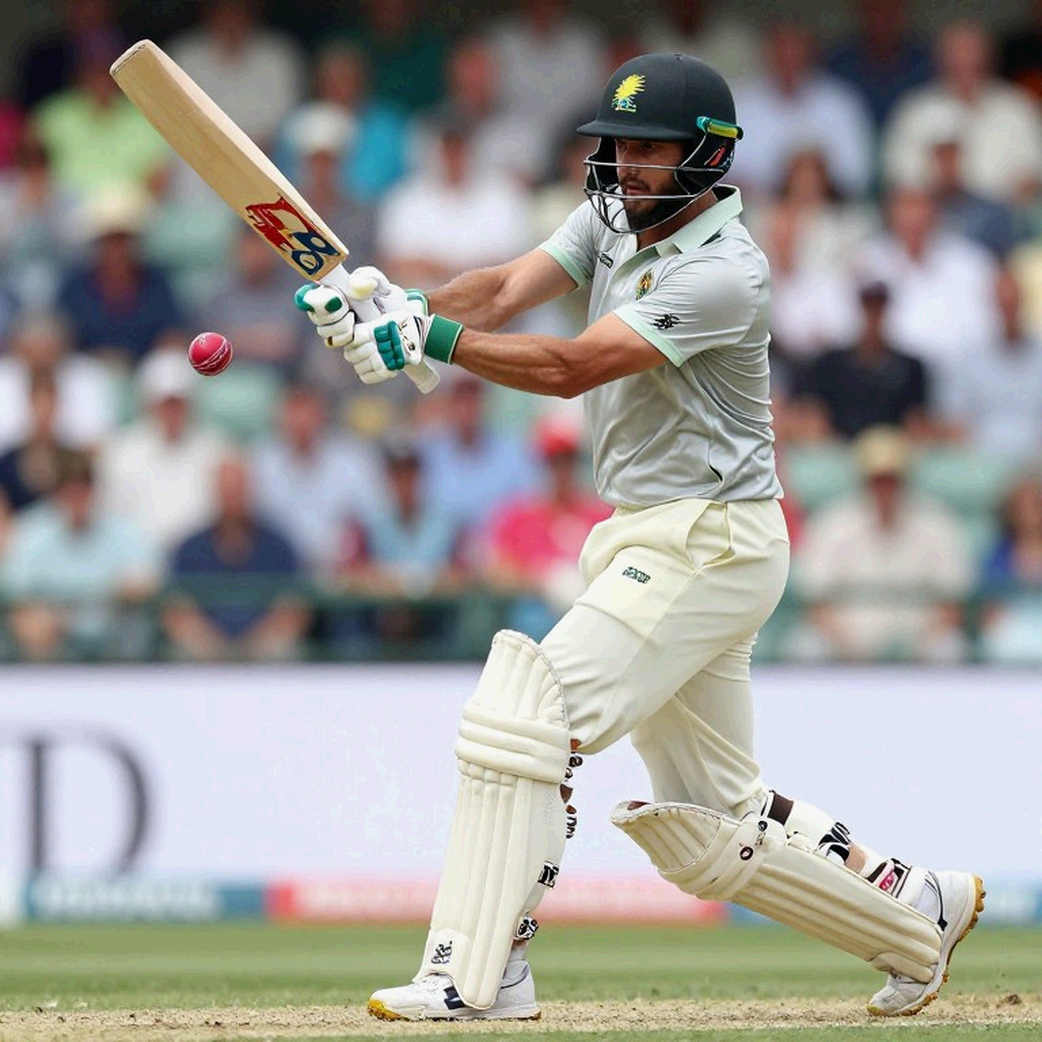
I am not saying Green cannot play spin. I am saying we do not know — and Australia does not know either. McDonald's technical argument is reasonable but unverified. But he himself admitted one thing, which is the most important information: Green batted well at No.4 in the first innings last week. That is the only fresh, positive evidence — less dramatic than Cape Town's 13 balls, but more relevant.
In the first Test at Nagpur, my eyes will be on Green's first ten overs, especially his first sweep and the first moment he steps out. Those two actions will tell whether Cape Town's 13 balls were a nightmare or the start of a pattern.